dac for automation
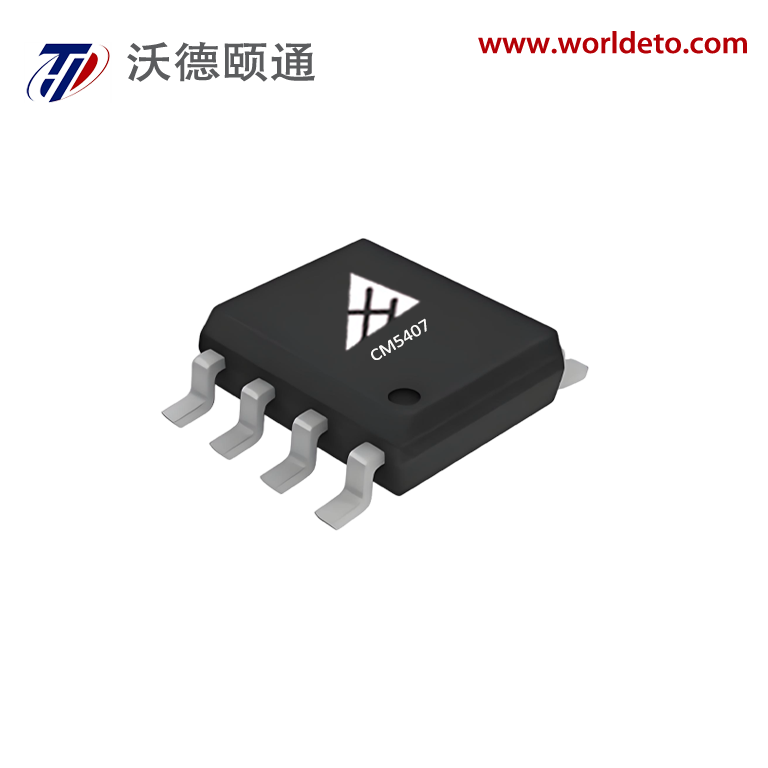
A DAC for automation represents a critical component in modern industrial control systems, serving as the bridge between digital control signals and analog actuators in automated environments. Digital-to-Analog Converters designed specifically for automation applications transform digital data from control systems into precise analog voltage or current outputs that drive various industrial equipment. The DAC for automation operates by receiving digital input signals from programmable logic controllers, distributed control systems, or industrial computers, then converting these binary values into corresponding analog outputs with exceptional accuracy and reliability. These devices feature robust construction designed to withstand harsh industrial environments, including temperature fluctuations, electromagnetic interference, and mechanical vibrations commonly found in manufacturing facilities. The technological architecture of a DAC for automation incorporates advanced semiconductor technology, precision reference circuits, and sophisticated filtering mechanisms to ensure stable and accurate signal conversion. Key functions include signal conditioning, isolation between digital and analog circuits, and multi-channel output capabilities that allow simultaneous control of multiple actuators or process variables. Modern DAC for automation units support various communication protocols such as Modbus, Ethernet/IP, and PROFINET, enabling seamless integration with existing automation infrastructure. The resolution capabilities typically range from 12-bit to 16-bit or higher, providing fine granular control over output signals essential for precise process control applications. These converters feature configurable output ranges, including standard industrial signals like 4-20mA current loops and 0-10V voltage outputs, making them compatible with a wide variety of field devices. Advanced DAC for automation systems include diagnostic capabilities, fault detection mechanisms, and remote monitoring functions that enhance system reliability and maintenance efficiency. Applications span across process industries including chemical processing, power generation, water treatment, manufacturing automation, and building management systems where precise analog control is essential for optimal operation.

 EN
EN