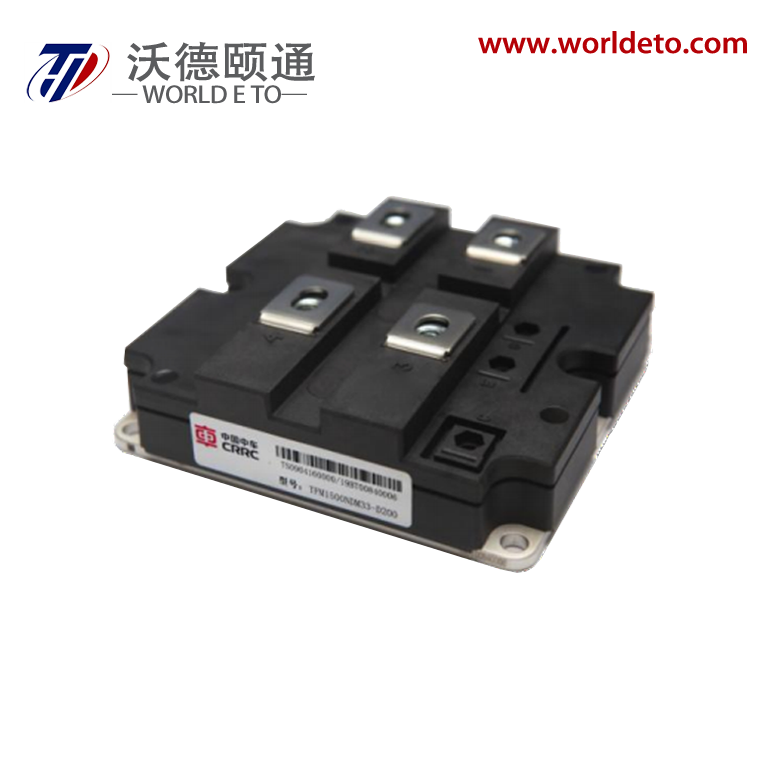
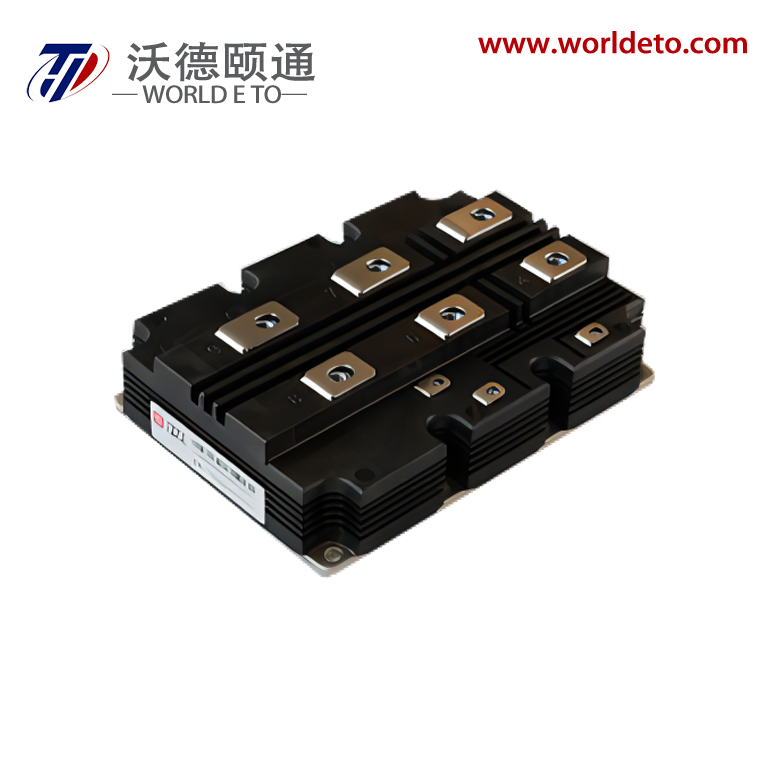
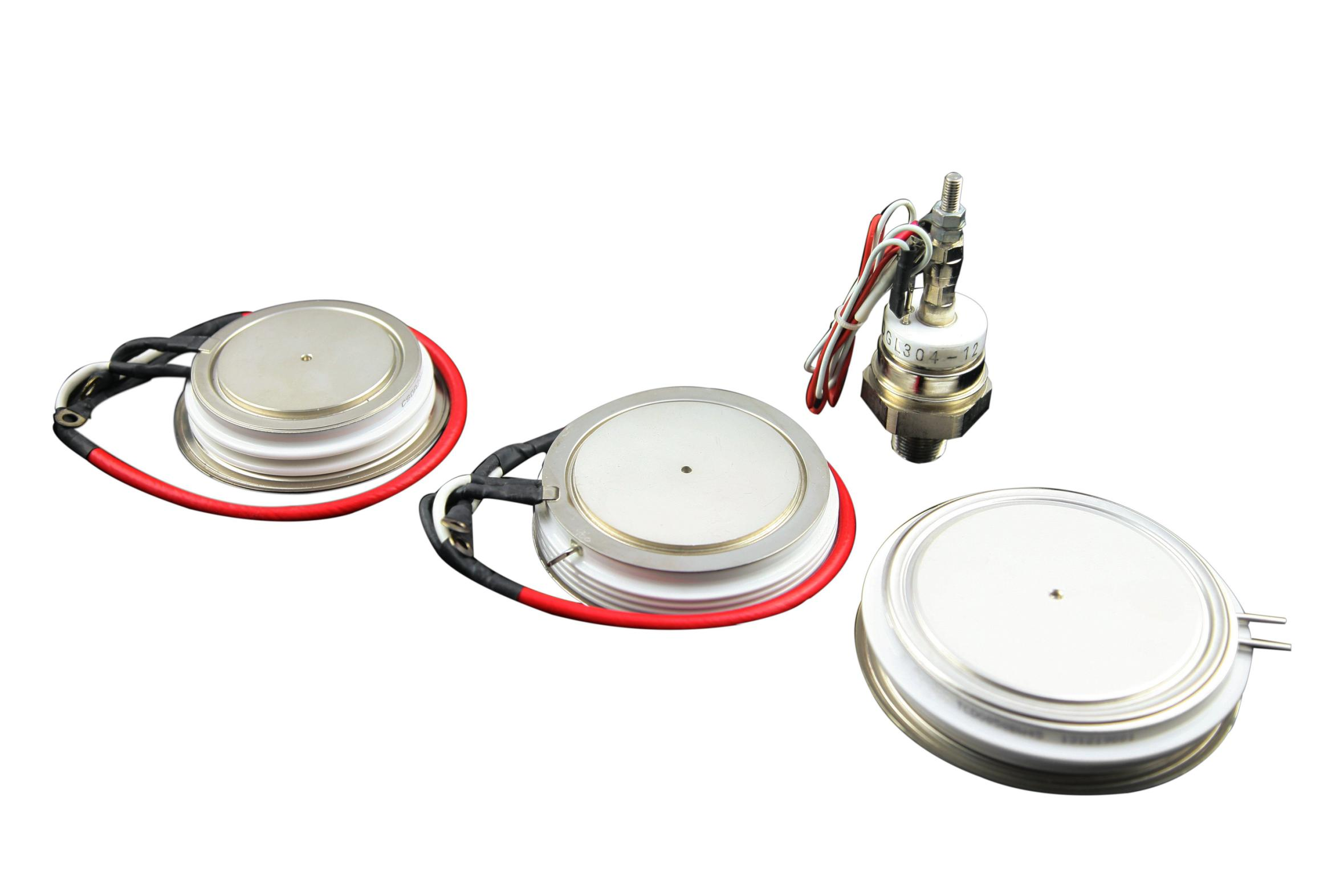
industrial diode
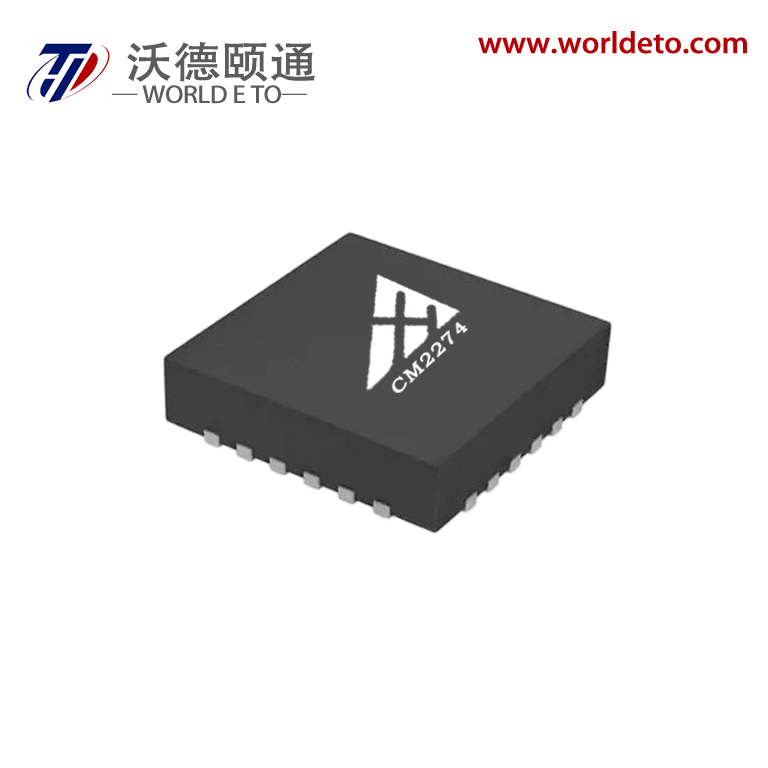
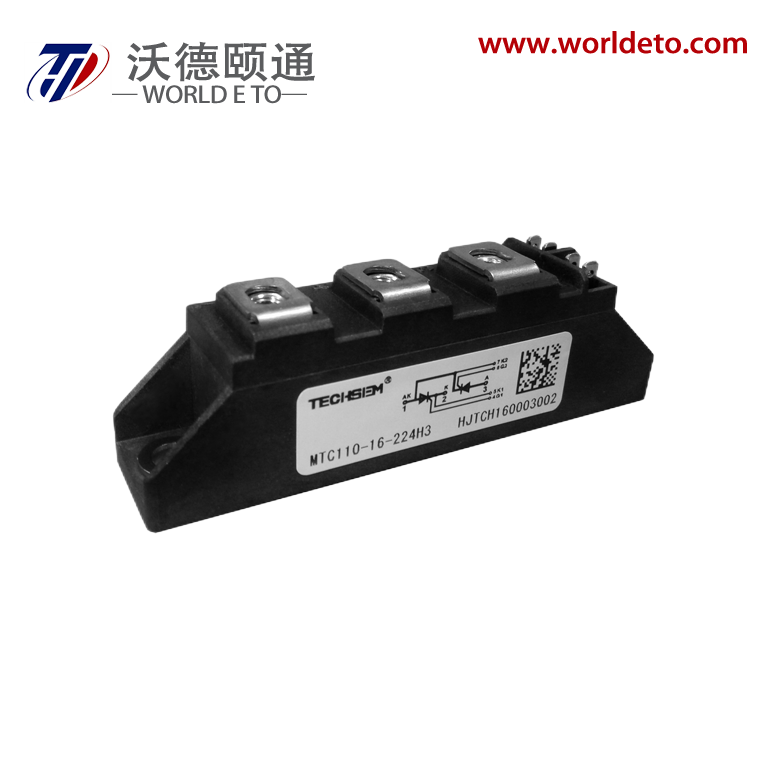
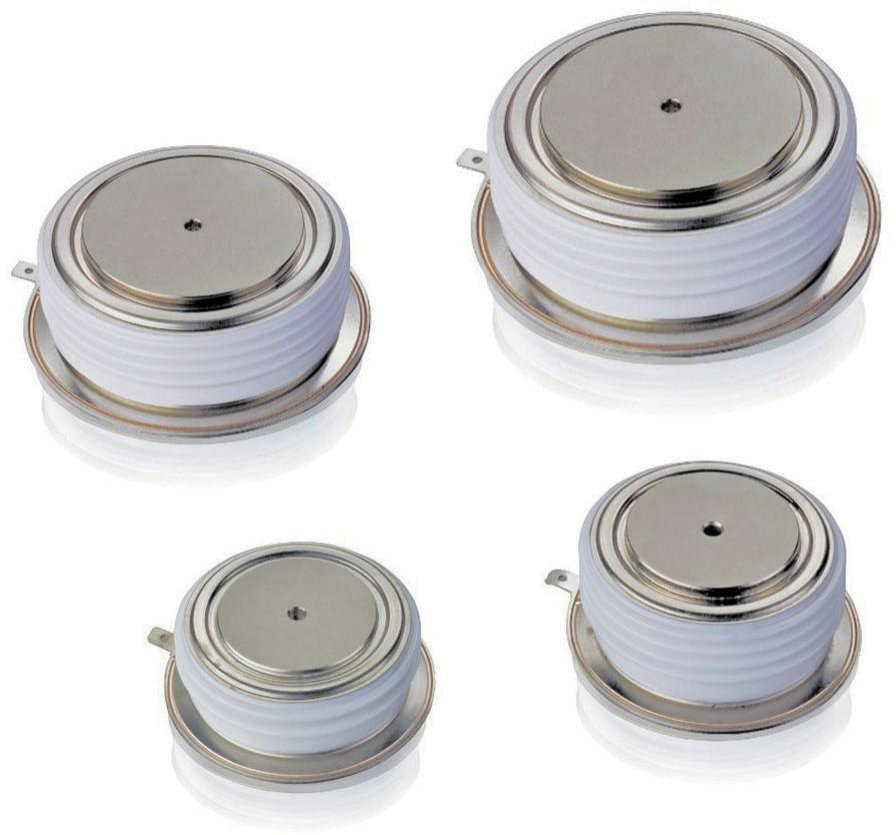
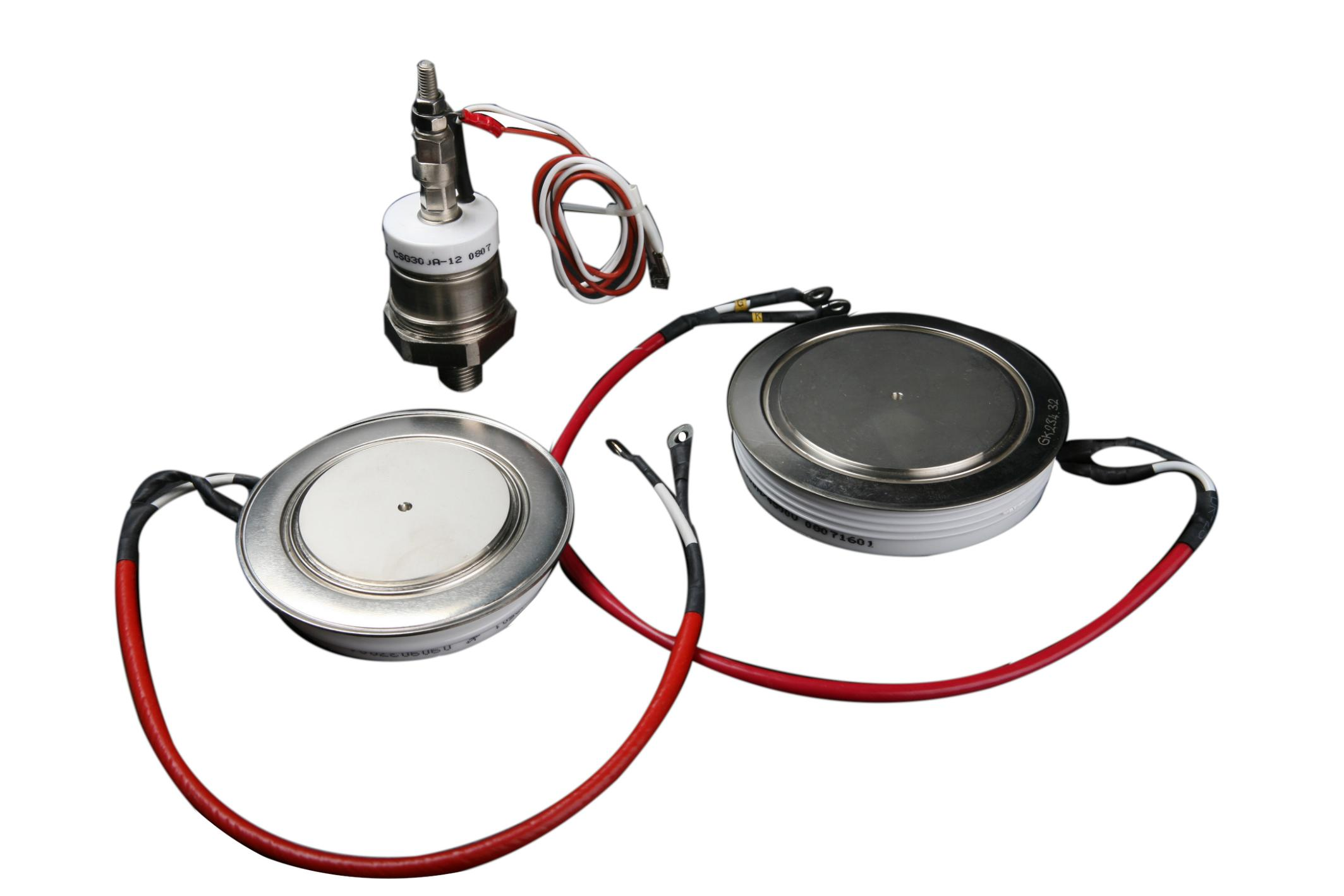
An industrial diode represents a specialized semiconductor device engineered to meet the demanding requirements of heavy-duty applications across various sectors. These robust electronic components function as one-way electrical valves, allowing current to flow in only one direction while blocking reverse current flow. The industrial diode serves as a fundamental building block in power electronics, providing essential rectification, protection, and signal processing capabilities in harsh operating environments. Unlike standard consumer-grade diodes, industrial diodes are manufactured with enhanced materials and construction techniques to withstand extreme temperatures, high voltages, and substantial current loads. These devices typically feature silicon or silicon carbide substrates that offer superior thermal conductivity and electrical performance. The forward voltage drop in industrial diodes is optimized to minimize power losses while maintaining reliable operation under stress conditions. Industrial diodes incorporate advanced packaging technologies that ensure excellent heat dissipation and mechanical stability. The junction design utilizes sophisticated doping profiles to achieve precise electrical characteristics and minimize leakage currents. Modern industrial diodes often include built-in protection features such as avalanche energy rating and surge current handling capabilities. These components find widespread application in power supplies, motor drives, welding equipment, renewable energy systems, and automotive electronics. The manufacturing process involves stringent quality control measures to guarantee consistent performance and extended service life. Industrial diodes are available in various configurations including standard rectifier types, fast recovery variants, and Schottky barrier designs. Each type offers specific advantages depending on the application requirements such as switching speed, voltage rating, and thermal characteristics. The reliability of industrial diodes makes them indispensable in mission-critical systems where component failure could result in significant downtime or safety hazards.