High-Efficiency Charging Rectifier Systems - Advanced Power Conversion Solutions

All Categories
Get a Quote

Get a Free Quote

Our representative will contact you soon.
Email
Name
Company Name
Message
0/1000

charging rectifier

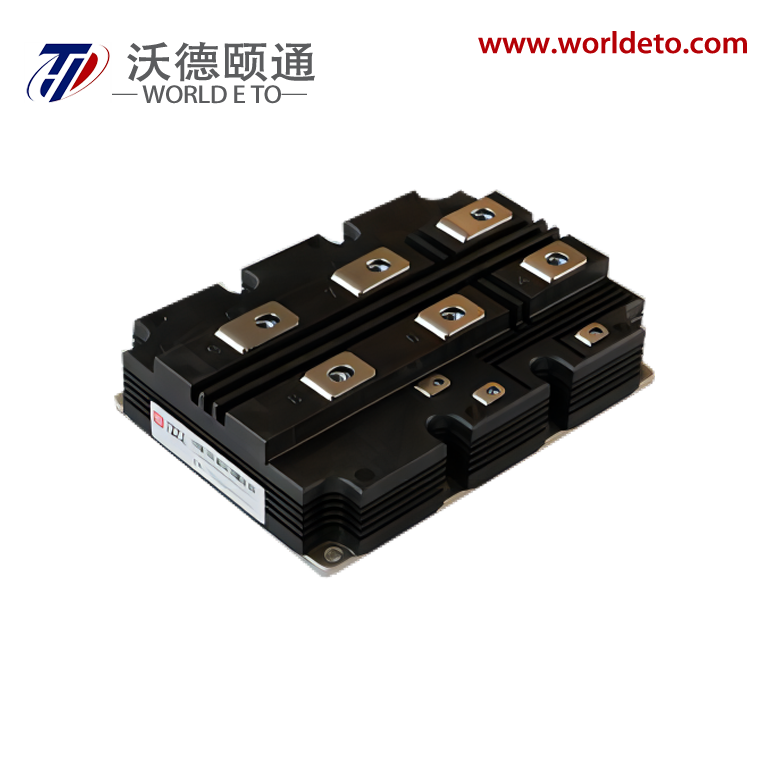
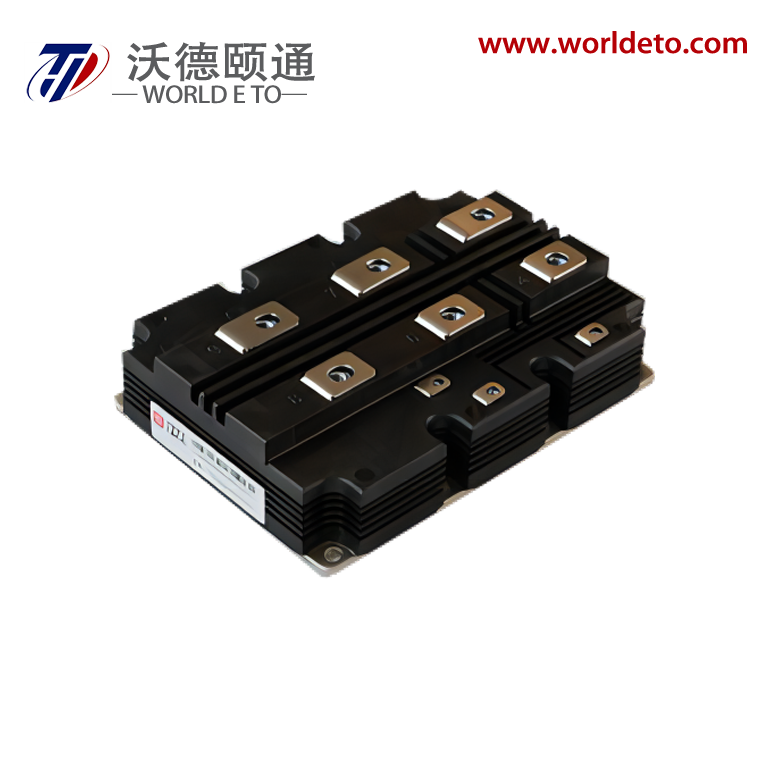
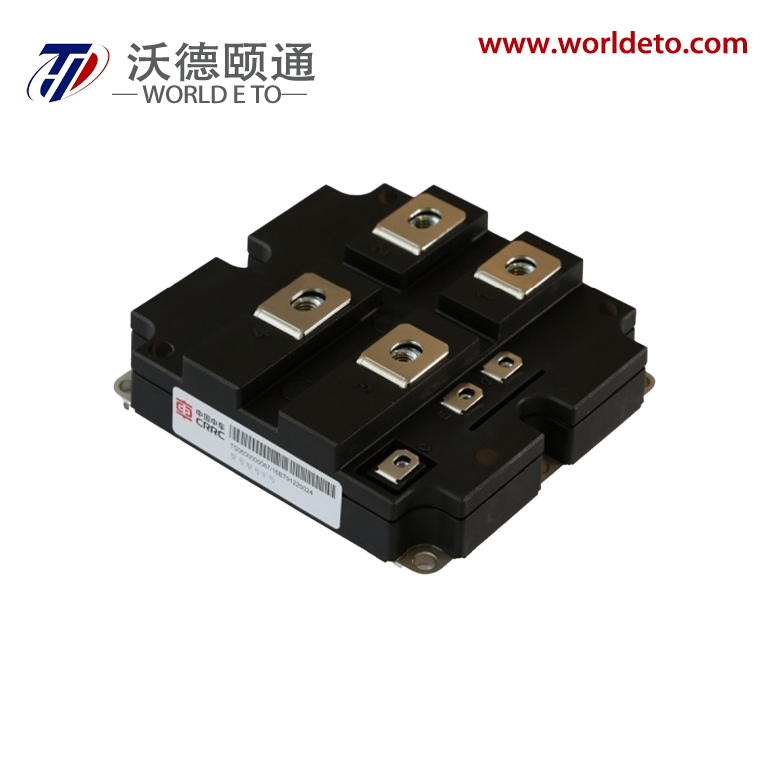
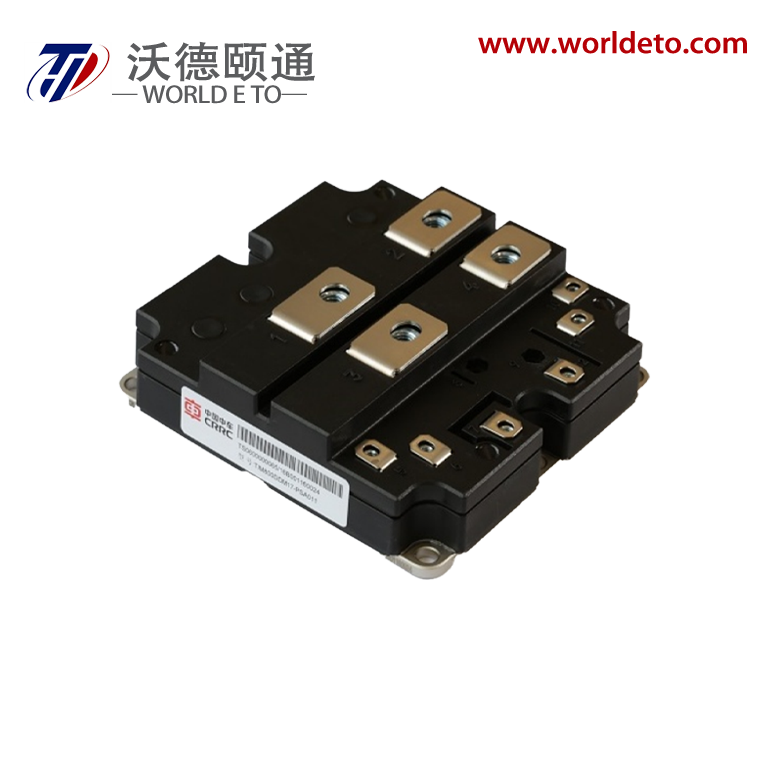
A charging rectifier represents a fundamental component in modern power systems, serving as the bridge between alternating current (AC) power sources and direct current (DC) applications. This sophisticated device converts AC electrical energy into regulated DC power, making it essential for battery charging systems, telecommunications equipment, and various industrial applications. The charging rectifier operates through advanced semiconductor technology, utilizing diodes, thyristors, or modern switching components to achieve efficient power conversion while maintaining precise voltage and current control. Modern charging rectifiers incorporate intelligent control systems that monitor battery conditions, adjust charging parameters automatically, and provide comprehensive protection against overcharging, short circuits, and temperature fluctuations. These systems typically feature modular designs that allow for easy maintenance, scalability, and customization based on specific application requirements. The charging rectifier technology has evolved significantly, with contemporary units offering high efficiency ratings exceeding 95 percent, reduced harmonic distortion, and enhanced reliability through redundant design principles. Key technological features include digital signal processing capabilities, remote monitoring interfaces, and adaptive charging algorithms that optimize battery life and performance. The integration of smart grid compatibility and communication protocols enables seamless integration with modern energy management systems. Industrial-grade charging rectifiers often incorporate features such as temperature compensation, float and equalize charging modes, and comprehensive alarm systems that ensure optimal battery maintenance. These devices play crucial roles in critical infrastructure applications where uninterrupted power supply is paramount, including data centers, hospitals, manufacturing facilities, and renewable energy storage systems. The versatility of charging rectifier systems extends to various battery technologies, including lead-acid, lithium-ion, and nickel-cadmium configurations, with specialized charging profiles tailored to each chemistry type.

New Product Releases

The charging rectifier delivers exceptional energy efficiency that translates directly into reduced operational costs for businesses and organizations. Modern units achieve efficiency levels above 95 percent, meaning minimal energy waste during the conversion process from AC to DC power. This high efficiency reduces electricity bills significantly, especially in applications requiring continuous operation such as telecommunications facilities and data centers. The financial savings compound over time, making the charging rectifier an economically sound investment that pays for itself through reduced energy consumption. Reliability stands as another cornerstone advantage, with quality charging rectifiers designed for continuous operation spanning decades. The robust construction and advanced protection mechanisms ensure consistent performance even under challenging environmental conditions. This reliability minimizes downtime costs and reduces maintenance requirements, providing peace of mind for mission-critical applications. The modular design philosophy embraced by modern charging rectifiers offers tremendous flexibility and scalability. Users can start with basic configurations and expand capacity as needs grow, avoiding oversized initial investments while maintaining upgrade pathways. This modularity also simplifies maintenance procedures, allowing technicians to replace individual components without system-wide shutdowns. Intelligent battery management capabilities represent a significant advantage that extends battery life substantially. The charging rectifier continuously monitors battery health, adjusts charging parameters automatically, and prevents damaging conditions such as overcharging or deep discharge. This intelligent management can double or triple battery service life, reducing replacement costs and environmental impact. Safety features integrated into charging rectifiers protect both equipment and personnel. Comprehensive protection circuits guard against electrical faults, while thermal management systems prevent overheating. These safety mechanisms comply with international standards and provide multiple layers of protection that exceed basic regulatory requirements. The user-friendly interface and remote monitoring capabilities enhance operational efficiency. Operators can monitor system performance, receive alerts, and make adjustments without physical presence at the equipment location. This remote capability reduces labor costs and enables proactive maintenance scheduling that prevents unexpected failures. Environmental benefits include reduced carbon footprint through high efficiency operation and support for renewable energy integration. The charging rectifier facilitates effective energy storage from solar and wind sources, contributing to sustainability goals while providing economic benefits through peak shaving and demand response capabilities.

Practical Tips

Speed Meets Accuracy: Selecting High-Speed Data Converters for Demanding Applications

07

Jan

Speed Meets Accuracy: Selecting High-Speed Data Converters for Demanding Applications

In today's rapidly evolving industrial landscape, the demand for high-speed data converters has reached unprecedented levels. These critical components serve as the bridge between analog and digital domains, enabling sophisticated control systems to ...
View More
High-Performance ADC Chips and Precision DACs: Analysis of High-Speed, Low-Power Domestic Alternatives

02

Feb

High-Performance ADC Chips and Precision DACs: Analysis of High-Speed, Low-Power Domestic Alternatives

The semiconductor industry has witnessed unprecedented growth in demand for high-performance analog-to-digital converter chips and precision digital-to-analog converters. As electronic systems become increasingly sophisticated, the need for reliable,...
View More
Low-Power, High-Precision: How Domestic Linear Regulators and Voltage References Enable Import Substitution

02

Feb

Low-Power, High-Precision: How Domestic Linear Regulators and Voltage References Enable Import Substitution

The global semiconductor supply chain disruptions of recent years have highlighted the critical importance of developing robust domestic manufacturing capabilities. As industries worldwide grapple with component shortages and geopolitical tensions, t...
View More
Precision DAC Chips: Achieving Sub-Millivolt Accuracy in Complex Control Systems

03

Feb

Precision DAC Chips: Achieving Sub-Millivolt Accuracy in Complex Control Systems

Modern industrial control systems demand unprecedented accuracy and reliability, with precision DAC chips serving as critical components that bridge the digital-analog divide. These sophisticated semiconductor devices enable engineers to achieve sub-...
View More

Get a Free Quote

Our representative will contact you soon.
Email
Name
Company Name
Message
0/1000

charging rectifier

Advanced Power Conversion Technology

Advanced Power Conversion Technology

The charging rectifier incorporates cutting-edge power conversion technology that sets it apart from traditional rectification methods. At its core, the system utilizes advanced switching power supply topology combined with digital signal processing to achieve unprecedented levels of efficiency and control precision. This technology employs high-frequency switching techniques that dramatically reduce the size and weight of magnetic components while improving overall performance characteristics. The sophisticated control algorithms continuously optimize switching patterns to minimize losses and reduce electromagnetic interference, ensuring clean power delivery that meets the strictest quality standards. The charging rectifier features advanced power factor correction that maintains near-unity power factor across varying load conditions, reducing reactive power consumption and associated utility penalties. This technology particularly benefits large-scale installations where power quality directly impacts operational costs. The system incorporates real-time monitoring of input power quality and automatically adjusts operating parameters to maintain optimal performance regardless of supply variations. Temperature compensation algorithms ensure consistent charging performance across wide environmental ranges, automatically adjusting output characteristics based on ambient conditions and battery temperature measurements. The charging rectifier technology includes sophisticated current sharing mechanisms in multi-module configurations, ensuring balanced loading and enhanced system reliability. Advanced diagnostic capabilities continuously monitor component health and performance parameters, providing early warning of potential issues before they impact system operation. The digital control platform enables precise regulation of both voltage and current output, with accuracy levels typically exceeding 0.5 percent across the entire operating range. This precision proves critical in applications requiring exact charging profiles for optimal battery performance and longevity. The charging rectifier incorporates galvanic isolation between input and output circuits, providing enhanced safety and eliminating ground loop issues that can plague conventional systems. The technology supports various communication protocols, enabling seamless integration with building management systems and remote monitoring platforms for comprehensive facility-wide power management.
Comprehensive Battery Management System

Comprehensive Battery Management System

The integrated battery management system within the charging rectifier represents a revolutionary approach to battery care and optimization that maximizes both performance and service life. This intelligent system continuously monitors multiple battery parameters including voltage, current, temperature, and internal resistance to build comprehensive profiles of battery health and charging requirements. The charging rectifier employs sophisticated algorithms that analyze historical data and real-time measurements to determine optimal charging strategies for each specific battery configuration. The system supports multiple charging stages including bulk, absorption, float, and equalization modes, automatically transitioning between stages based on battery condition and requirements. Advanced temperature compensation ensures that charging parameters adjust appropriately for environmental conditions, preventing thermal damage while maintaining optimal charging efficiency. The charging rectifier incorporates individual cell monitoring capabilities in systems with series-connected batteries, identifying weak cells and adjusting charging parameters to prevent cascade failures that can destroy entire battery banks. Predictive maintenance features analyze battery performance trends and generate alerts when batteries approach end-of-life conditions, enabling proactive replacement scheduling that prevents unexpected failures. The system includes sophisticated load testing capabilities that can perform controlled discharge cycles to verify battery capacity and identify degraded performance before critical failures occur. The charging rectifier features adaptive charging profiles that learn battery characteristics over time and continuously refine charging parameters for optimal results. This learning capability proves particularly valuable in applications with varying load patterns or seasonal usage variations. The battery management system provides detailed logging and reporting capabilities that support compliance requirements and maintenance planning activities. Historical data analysis enables identification of usage patterns and optimization opportunities that can extend battery life and reduce operational costs. The charging rectifier incorporates safety interlocks that prevent dangerous conditions such as thermal runaway in lithium-ion batteries or excessive gassing in lead-acid systems. Emergency shutdown capabilities provide rapid disconnection in fault conditions while maintaining system integrity and personnel safety. Remote monitoring interfaces enable facility managers to oversee battery performance from central locations, receiving real-time alerts and status updates that support proactive maintenance strategies and minimize downtime risks.
Scalable Modular Architecture

Scalable Modular Architecture

The modular architecture of the charging rectifier provides unparalleled flexibility and scalability that adapts to evolving power requirements while minimizing initial capital investment and operational complexity. This innovative design philosophy enables users to deploy systems that precisely match current needs while maintaining clear upgrade paths for future expansion without wholesale equipment replacement. The charging rectifier utilizes standardized power modules that can be combined in parallel configurations to achieve desired capacity levels, with each module contributing to total system output while providing redundancy that enhances overall reliability. Individual modules can be removed for maintenance or replacement without interrupting system operation, dramatically reducing downtime and associated costs in critical applications. The modular approach enables incremental capacity additions as requirements grow, allowing organizations to spread capital expenditures over time while avoiding overdesign penalties that burden initial budgets. Each module within the charging rectifier operates independently with its own control and protection systems, ensuring that single-point failures cannot compromise entire system operation. This distributed architecture provides inherent fault tolerance that exceeds traditional centralized designs. The standardized module interfaces simplify inventory management and reduce spare parts requirements, as identical modules can serve multiple system configurations throughout a facility. Hot-swappable module design enables maintenance activities during normal operation, eliminating scheduled downtime that can impact critical processes. The charging rectifier architecture supports mixed module types within single systems, enabling optimization for specific applications or gradual technology upgrades without complete system replacement. Advanced load-sharing algorithms ensure even distribution of operating stress across all modules, maximizing component life and system reliability. The modular control system provides centralized monitoring and control while maintaining individual module autonomy, creating optimal balance between system coordination and operational independence. Standardized communication interfaces between modules enable seamless integration and coordination regardless of module age or specific model variations. The charging rectifier design accommodates future technology insertions through module replacement, protecting long-term investment value while enabling access to advancing technologies. Field-configurable parameters allow system optimization for specific applications without hardware modifications, providing adaptability that extends useful system life and maximizes return on investment.

Get a Free Quote

Our representative will contact you soon.
Email
Name
Company Name
Message
0/1000