Модульдік архитектура
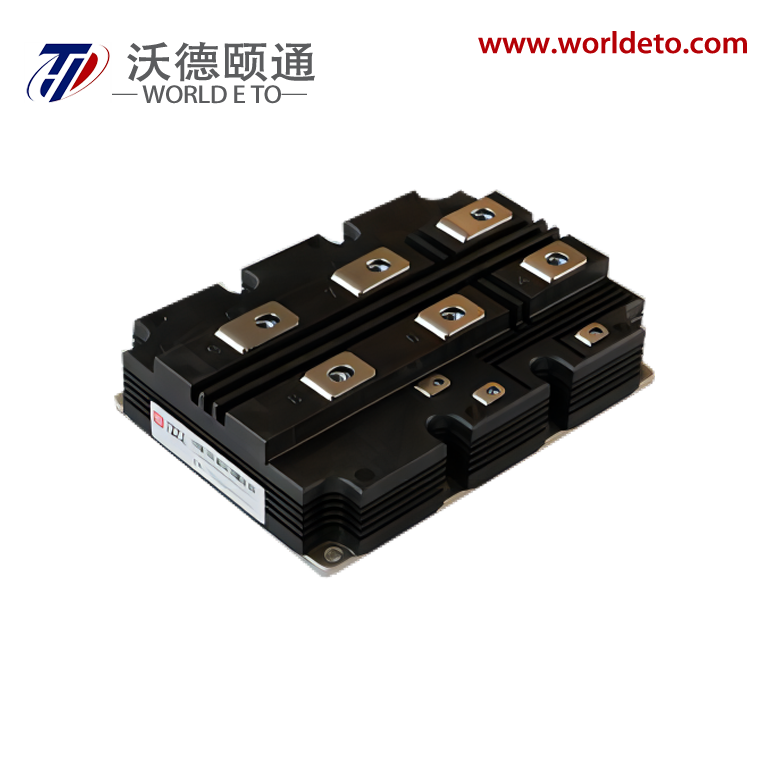
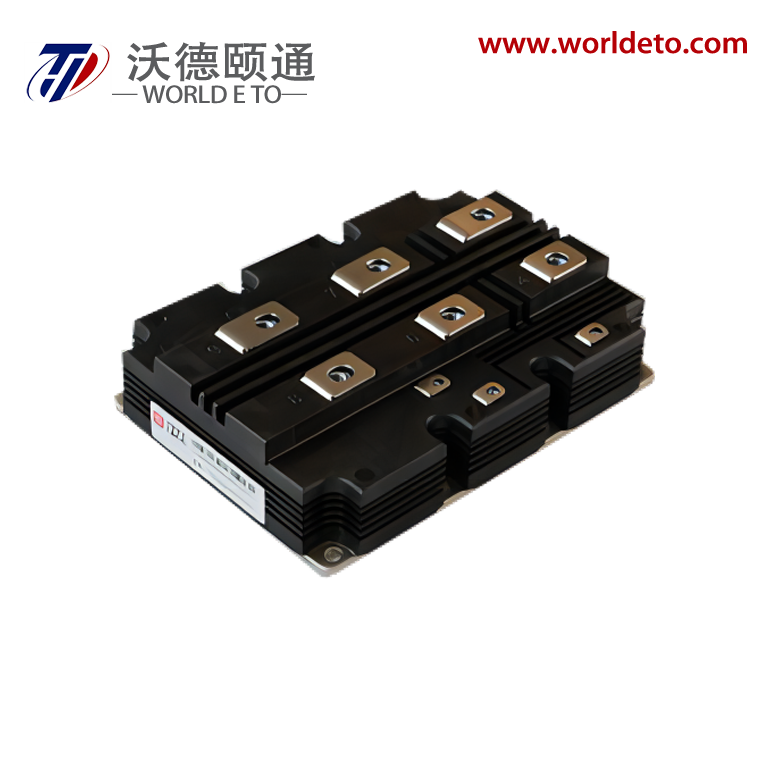
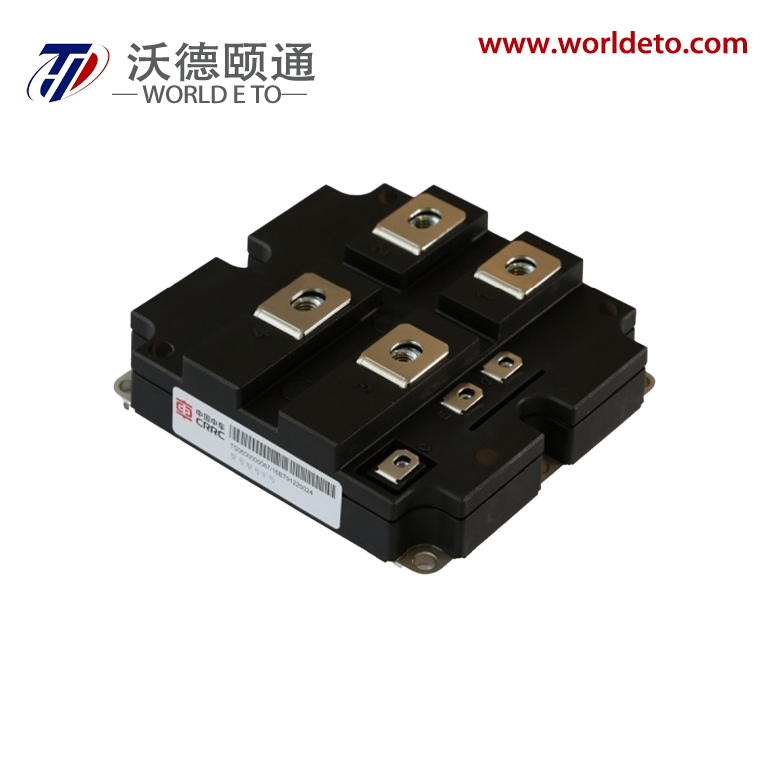
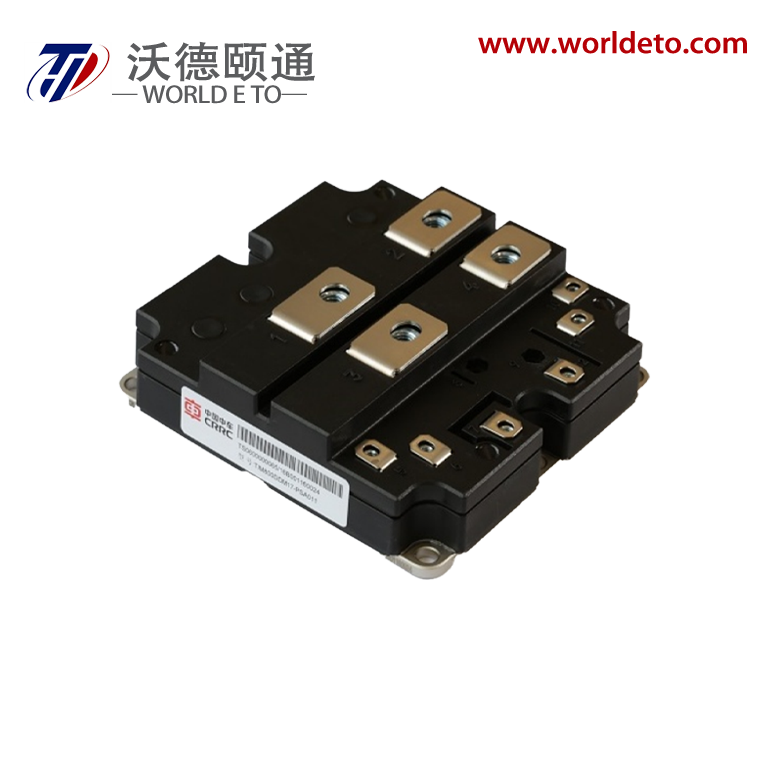
Зарядтау түзеткішінің модульдік архитектурасы бастапқы капиталдық салымдар мен операциялық күрделілікті азайта отырып, дамып келе жатқан қуаттық талаптарға икемді түрде бейімделуге мүмкіндік беретін ешқандай шектеусіз икемділік пен масштабталу қабілетін қамтамасыз етеді. Бұл инновациялық дизайн философиясы пайдаланушыларға қазіргі уақыттағы қажеттіліктерге дәл сай келетін жүйелерді орнатуға және болашақтағы кеңейту үшін анық жаңарту жолдарын сақтауға, бірақ барлық жабдықты толығымен алмастыруға қажеттіліксіз болуға мүмкіндік береді. Зарядтау түзеткіші қажетті қуат деңгейлерін қол жеткізу үшін параллель конфигурацияларда біріктірілетін стандартталған қуат модульдерін қолданады; әрбір модуль жалпы жүйе шығысына үлес қосып, жалпы сенімділікті арттыратын резервтік қызмет атқарады. Жеке модульдер жүйенің жұмысын тоқтатпай-ақ техникалық қызмет көрсету немесе алмастыру үшін алынып тасталуы мүмкін, бұл критикалық қолданыстардағы тоқтап қалу уақыты мен байланысты шығындарды қатты азайтады. Модульдік тәсіл талаптар өскен сайын қуатты постепенді түрде арттыруға мүмкіндік береді, осылайша ұйымдар капиталдық шығындарды уақыт бойынша таратып, бастапқы бюджетке ауыртпалық тудыратын артық проекциялау қателіктерінен қашығып қалады. Зарядтау түзеткішіндегі әрбір модуль өзіндік басқару мен қорғау жүйелерімен тәуелсіз жұмыс істейді, сондықтан жеке нүктедегі ақаулар барлық жүйенің жұмысын бұзып тастай алмайды. Бұл таратылған архитектура дәстүрлі орталықтандырылған дизайндарға қарағанда жоғары деңгейдегі ақауға төзімділік қасиетін қамтамасыз етеді. Стандартталған модульдік интерфейстер қоймадағы тауарларды басқаруды жеңілдетеді және сақтап қоюға арналған бөлшектердің санын азайтады, себебі бірдей модульдер өндірістің барлық жерінде әртүрлі жүйе конфигурацияларында қолданылуы мүмкін. Модульдерді қыздырып ауыстыруға болатын дизайн (hot-swappable) қалыпты жұмыс істеу кезінде де техникалық қызмет көрсету жұмыстарын жүргізуге мүмкіндік береді, сондықтан критикалық процестерге әсер ететін жоспарлы тоқтап қалу уақытынан арылуға болады. Зарядтау түзеткішінің архитектурасы жеке жүйелерде әртүрлі типтегі модульдерді араластыруға мүмкіндік береді, бұл белгілі бір қолданыстар үшін оптимизациялауға немесе толығымен жүйені алмастырмай-ақ постепенді технологиялық жаңартуларға мүмкіндік береді. Алғысқа лайықты жүктемені бөлу алгоритмдері барлық модульдер бойынша жұмыс кезіндегі кернеуді тең бөлуге қамтамасыз етеді, соның нәтижесінде компоненттердің қызмет көрсету мерзімі мен жүйенің сенімділігі максималды деңгейге көтеріледі. Модульдік басқару жүйесі орталықтандырылған бақылау мен басқаруды қамтамасыз етіп, әрбір модульдің автономдылығын сақтайды, осылайша жүйенің координациясы мен операциялық тәуелсіздігі арасында оптималды тепе-теңдік орнатылады. Модульдер арасындағы стандартталған коммуникациялық интерфейстер модульдердің жасы немесе нақты модельдік өзгерістеріне қарамастан, олардың үйлесімді интеграциясы мен координациясын қамтамасыз етеді. Зарядтау түзеткішінің дизайны модульдерді алмастыру арқылы болашақтағы технологияларды енгізуге мүмкіндік береді, осылайша ұзақ мерзімді инвестициялық құн қорғалады және дамып келе жатқан технологияларға қол жеткізу мүмкіндігі қамтамасыз етіледі. Сарапшылықта қолданылатын параметрлер жүйенің аппараттық өзгерістерсіз белгілі бір қолданыстарға оптимизациялануын қамтамасыз етеді, осылайша жүйенің пайдалы қызмет көрсету мерзімі ұзартылады және инвестициялардан табыс максималды деңгейге көтеріледі.

 EN
EN