High Voltage Rectifier Systems - Advanced Power Conversion Technology for Industrial Applications

All Categories
Get a Quote

Get a Free Quote

Our representative will contact you soon.
Email
Name
Company Name
Message
0/1000

high voltage rectifier

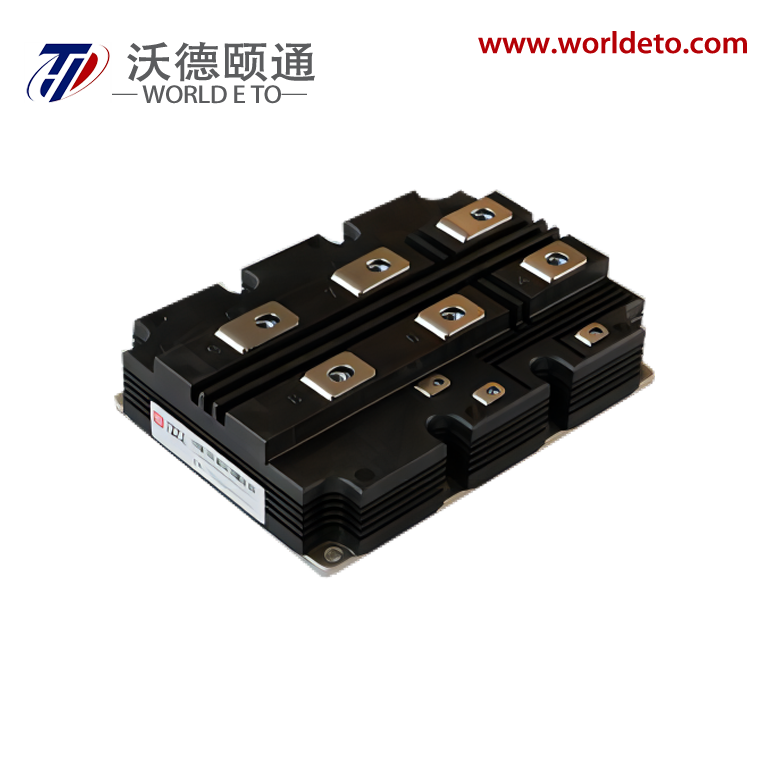
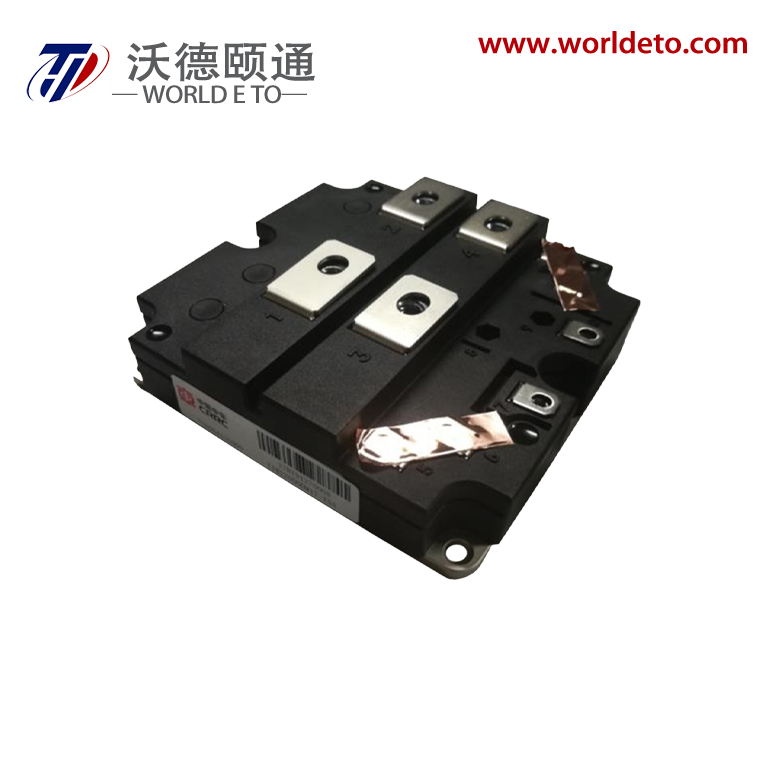
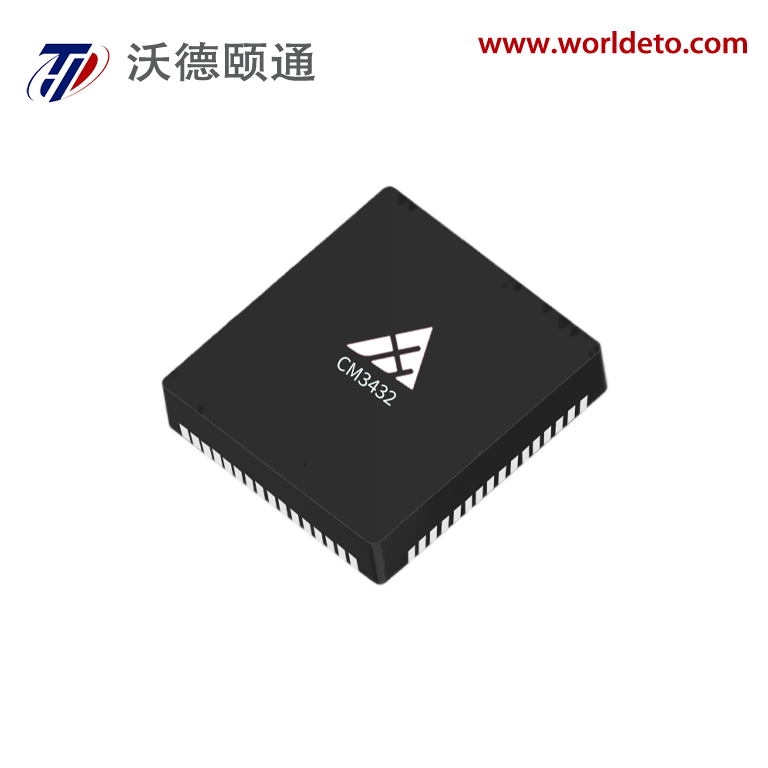
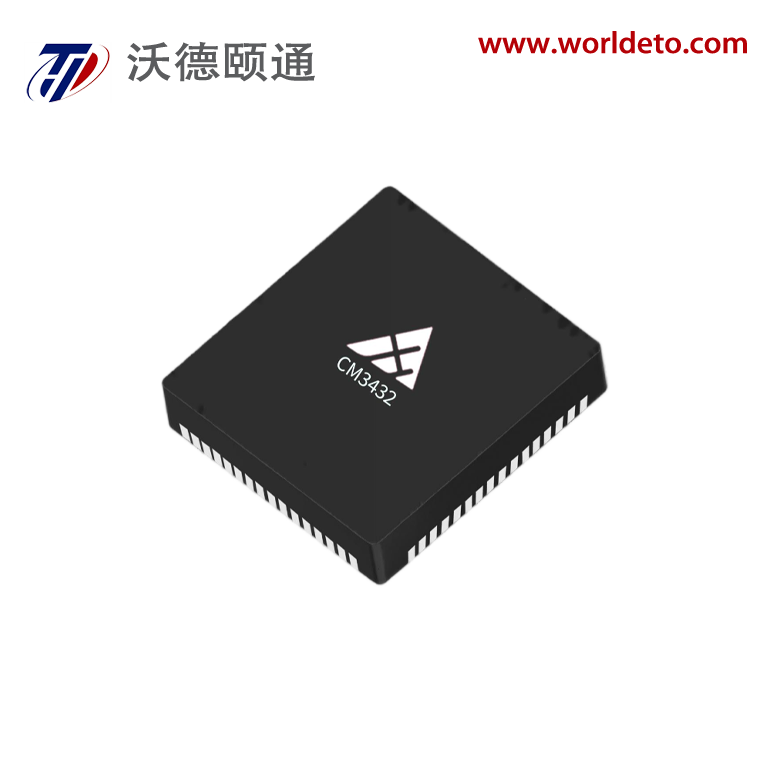
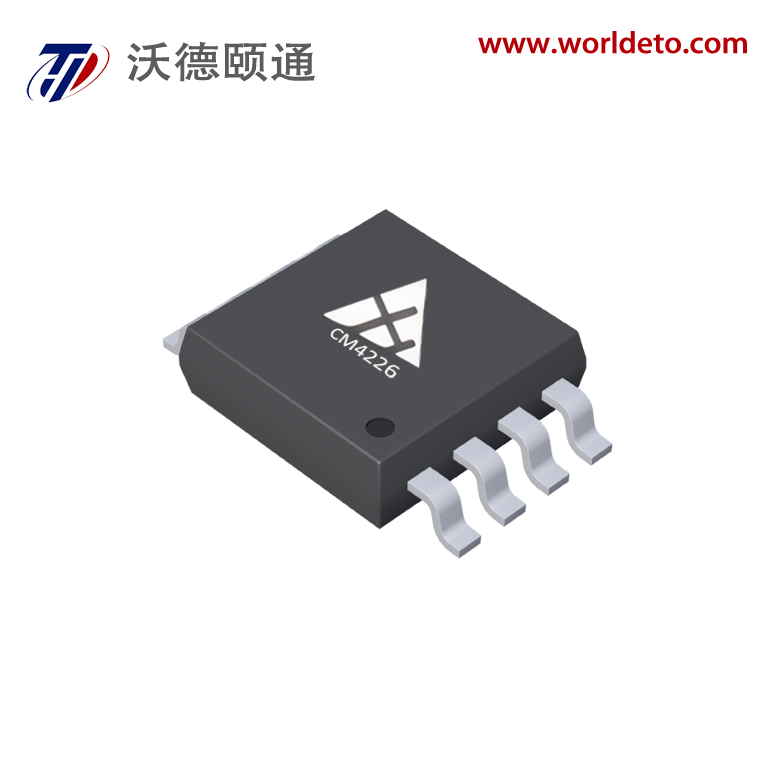
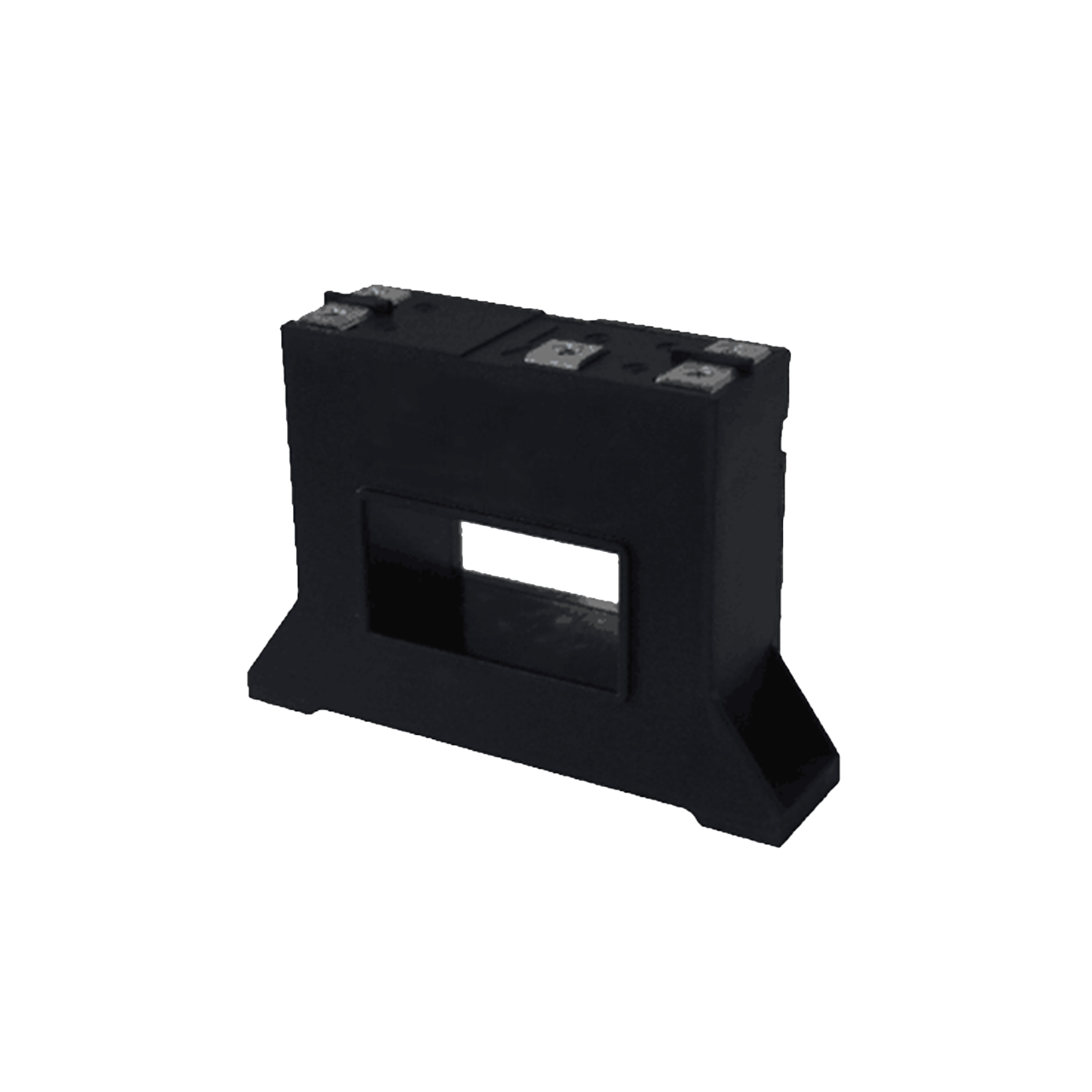
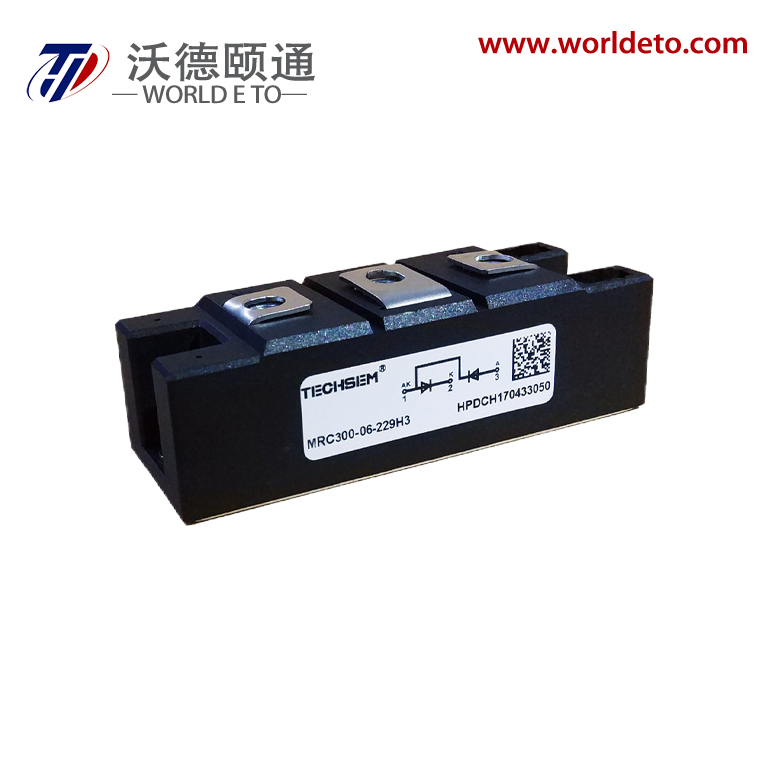
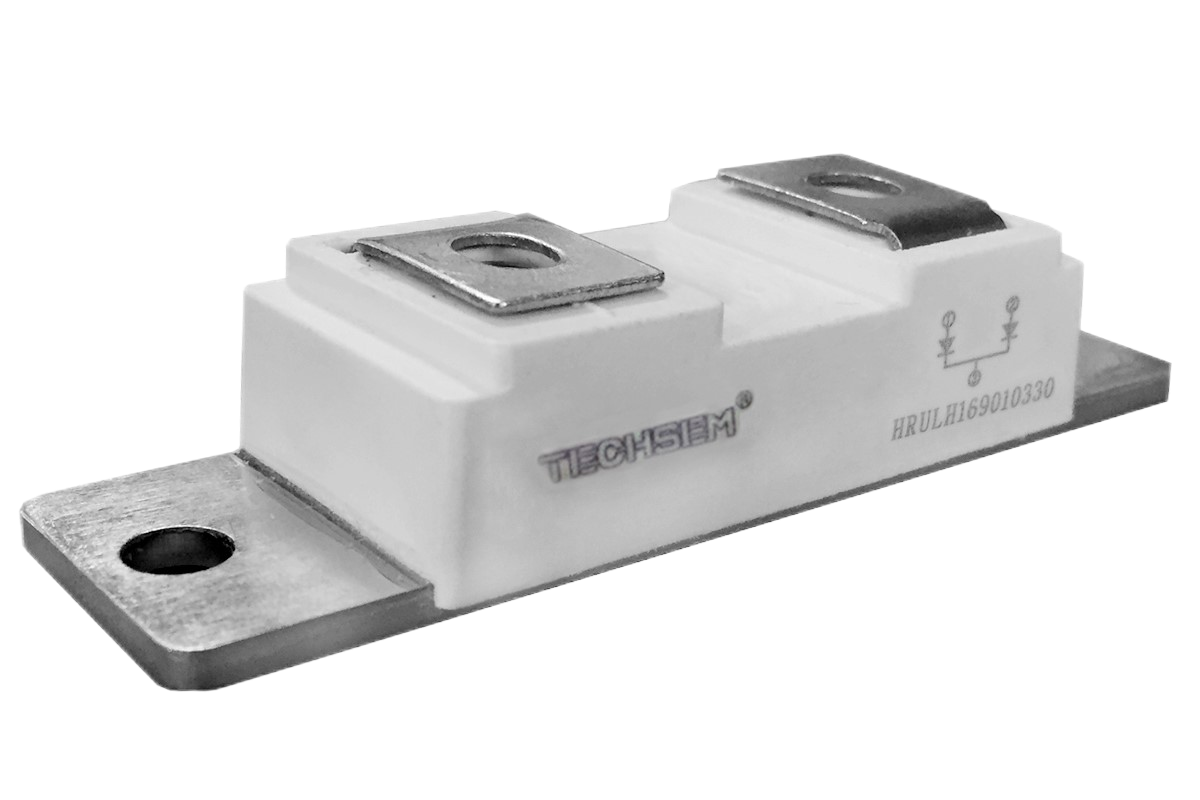
A high voltage rectifier represents an essential electronic component designed to convert alternating current (AC) into direct current (DC) at elevated voltage levels, typically exceeding 1000 volts. This sophisticated device plays a crucial role in numerous industrial applications where precise power conversion is paramount. The high voltage rectifier operates through semiconductor technology, utilizing silicon-controlled rectifiers, thyristors, or advanced IGBT modules to achieve efficient energy transformation. Modern high voltage rectifier systems incorporate intelligent control mechanisms that monitor voltage fluctuations, current flow, and thermal conditions to ensure optimal performance. These units feature robust construction materials capable of withstanding extreme electrical stress while maintaining consistent output characteristics. The design architecture of a high voltage rectifier emphasizes safety protocols, incorporating multiple protection layers including overcurrent protection, overvoltage safeguards, and thermal monitoring systems. Advanced filtering circuits within the high voltage rectifier minimize harmonic distortion and provide clean DC output suitable for sensitive equipment. The modular construction approach allows for scalable configurations, enabling users to customize voltage and current ratings according to specific application requirements. Contemporary high voltage rectifier technology integrates digital control systems that provide real-time diagnostics, remote monitoring capabilities, and predictive maintenance alerts. The electromagnetic compatibility features ensure minimal interference with surrounding electronic equipment while maintaining regulatory compliance. Energy efficiency ratings of modern high voltage rectifier units typically exceed 95 percent, contributing to reduced operational costs and environmental impact. The cooling systems employ forced air circulation or liquid cooling methods to manage heat dissipation effectively. Installation flexibility allows for both indoor and outdoor deployment scenarios, with appropriate environmental protection ratings. Quality assurance protocols ensure each high voltage rectifier unit undergoes comprehensive testing procedures before deployment, guaranteeing reliable operation in demanding industrial environments.

New Product Releases

High voltage rectifier systems deliver exceptional performance benefits that translate directly into operational excellence for industrial facilities and specialized applications. The primary advantage lies in superior energy conversion efficiency, where modern high voltage rectifier units achieve conversion rates exceeding 95 percent, significantly reducing energy waste and lowering electricity costs. This efficiency improvement directly impacts bottom-line profitability while supporting environmental sustainability initiatives. The robust construction of high voltage rectifier equipment ensures extended operational lifespan, often exceeding 20 years with proper maintenance, providing excellent return on investment through reduced replacement costs and minimal downtime. Advanced digital control systems integrated into contemporary high voltage rectifier designs enable precise output regulation, maintaining voltage stability within tight tolerance bands even under varying load conditions. This precision control capability protects sensitive downstream equipment from voltage fluctuations that could cause damage or performance degradation. The modular architecture of modern high voltage rectifier systems provides exceptional scalability, allowing businesses to expand capacity incrementally as demand grows without requiring complete system replacement. This flexibility reduces initial capital investment while providing future growth accommodation. Comprehensive protection features built into high voltage rectifier units safeguard both the equipment and connected loads through intelligent monitoring of electrical parameters, automatically responding to fault conditions before damage occurs. Remote monitoring capabilities enable proactive maintenance scheduling, reducing unexpected failures and optimizing maintenance resource allocation. The compact footprint of modern high voltage rectifier designs maximizes floor space utilization while delivering high power density, particularly valuable in space-constrained industrial environments. Advanced thermal management systems maintain optimal operating temperatures, ensuring consistent performance and extending component lifespan. The standardized interfaces and communication protocols of contemporary high voltage rectifier systems facilitate seamless integration with existing control systems and building management networks. Quality manufacturing processes and rigorous testing procedures ensure reliable operation in harsh industrial environments, minimizing service interruptions and maintenance requirements. The investment in high voltage rectifier technology pays dividends through improved operational efficiency, reduced maintenance costs, enhanced system reliability, and compliance with evolving energy efficiency regulations.

Practical Tips

Is Your ADC/DAC Underperforming? The Culprit Could Be Your Voltage Reference

24

Nov

Is Your ADC/DAC Underperforming? The Culprit Could Be Your Voltage Reference

In the realm of precision analog-to-digital and digital-to-analog conversion, engineers often focus on the specifications of the ADC or DAC itself while overlooking a critical component that can make or break system performance. The voltage reference...
View More
Achieving Peak Performance: How High-Speed ADCs and Precision Amplifiers Work Together

07

Jan

Achieving Peak Performance: How High-Speed ADCs and Precision Amplifiers Work Together

In today's rapidly evolving electronics landscape, the demand for precise and rapid signal processing continues to grow exponentially. From telecommunications infrastructure to advanced measurement systems, engineers are constantly seeking solutions ...
View More
Low-Power, High-Precision: How Domestic Linear Regulators and Voltage References Enable Import Substitution

02

Feb

Low-Power, High-Precision: How Domestic Linear Regulators and Voltage References Enable Import Substitution

The global semiconductor supply chain disruptions of recent years have highlighted the critical importance of developing robust domestic manufacturing capabilities. As industries worldwide grapple with component shortages and geopolitical tensions, t...
View More
Breaking Speed Barriers: The Future of High-Speed ADCs in Modern Communication

03

Feb

Breaking Speed Barriers: The Future of High-Speed ADCs in Modern Communication

The telecommunications industry continues to push the boundaries of data transmission speeds, driving unprecedented demand for advanced analog-to-digital conversion technologies. High-speed ADCs have emerged as the cornerstone of modern communication...
View More

Get a Free Quote

Our representative will contact you soon.
Email
Name
Company Name
Message
0/1000

high voltage rectifier

Advanced Digital Control Technology

Advanced Digital Control Technology

The integration of sophisticated digital control technology represents a revolutionary advancement in high voltage rectifier design, fundamentally transforming how these critical power conversion systems operate and interact with industrial processes. Modern high voltage rectifier units incorporate microprocessor-based control systems that continuously monitor and adjust operating parameters in real-time, ensuring optimal performance under all conditions. This intelligent control capability enables precise voltage and current regulation with accuracy levels previously unattainable with analog control systems. The digital control interface provides comprehensive diagnostic information, displaying critical operating parameters such as input and output voltages, current levels, power factor, efficiency ratings, and thermal conditions through intuitive graphical displays. Advanced algorithms within the control system automatically compensate for load variations, input voltage fluctuations, and environmental changes, maintaining stable output characteristics without manual intervention. The programmable nature of digital control systems allows customization of operating parameters to match specific application requirements, including soft-start sequences, output ramping profiles, and protection threshold settings. Remote monitoring capabilities enable facility operators to access high voltage rectifier performance data from centralized control rooms or mobile devices, facilitating proactive maintenance and troubleshooting. The predictive maintenance features analyze operating trends and component performance to identify potential issues before they result in equipment failure, significantly reducing unplanned downtime and maintenance costs. Communication protocols such as Modbus, Ethernet, and fieldbus integration enable seamless connectivity with supervisory control and data acquisition systems, supporting comprehensive facility automation strategies. The digital control system maintains detailed operational logs and alarm histories, providing valuable data for performance optimization and regulatory compliance reporting. Advanced protection algorithms respond to fault conditions within milliseconds, preventing damage to both the high voltage rectifier and connected equipment while minimizing process disruptions. The user-friendly interface design reduces training requirements and enables efficient operation by personnel with varying technical expertise levels.
Superior Power Conversion Efficiency

Superior Power Conversion Efficiency

The exceptional power conversion efficiency achieved by modern high voltage rectifier systems represents a critical competitive advantage that delivers substantial economic and environmental benefits to industrial operations. Contemporary high voltage rectifier designs consistently achieve conversion efficiency ratings exceeding 95 percent, with premium models reaching 98 percent efficiency under optimal operating conditions. This remarkable efficiency performance results from advanced semiconductor technology, optimized circuit topologies, and sophisticated thermal management systems working in harmony to minimize energy losses throughout the conversion process. The economic impact of superior efficiency becomes particularly significant in high-power applications where even small percentage improvements translate into substantial cost savings over the equipment's operational lifetime. For facilities operating multiple high voltage rectifier units continuously, the cumulative energy savings can amount to hundreds of thousands of dollars annually in reduced electricity costs. The environmental benefits of high-efficiency high voltage rectifier operation support corporate sustainability initiatives and regulatory compliance requirements by reducing carbon footprint and energy consumption. Advanced power factor correction capabilities integrated into modern high voltage rectifier designs minimize reactive power consumption, further improving overall electrical system efficiency and reducing utility demand charges. The thermal efficiency of these systems reduces cooling requirements, contributing additional energy savings and enabling operation in temperature-controlled environments without excessive HVAC load. Sophisticated switching techniques, including pulse-width modulation and soft-switching technologies, minimize switching losses while maintaining precise output control. The use of premium-grade components, including low-loss transformers, high-efficiency semiconductors, and optimized magnetic materials, contributes to the outstanding efficiency performance of contemporary high voltage rectifier systems. Dynamic efficiency optimization algorithms continuously adjust operating parameters to maintain peak efficiency across varying load conditions, ensuring optimal performance throughout the entire operating range. The reliability improvements associated with high-efficiency operation reduce component stress and extend equipment lifespan, providing additional value through reduced maintenance requirements and longer service intervals. Quality assurance processes verify efficiency performance through comprehensive testing protocols that validate manufacturer specifications under real-world operating conditions.
Comprehensive Safety and Protection Systems

Comprehensive Safety and Protection Systems

The sophisticated safety and protection systems incorporated into modern high voltage rectifier designs establish industry-leading standards for personnel safety, equipment protection, and operational reliability in high-voltage applications. These comprehensive protection schemes address the unique challenges associated with high-voltage power conversion, implementing multiple layers of safeguards that monitor electrical parameters, environmental conditions, and system performance continuously. The primary protection systems include overcurrent protection that responds instantaneously to excessive current conditions, preventing damage to semiconductor components and connected equipment while maintaining arc-flash safety protocols. Overvoltage protection circuits monitor output voltage levels and automatically limit or disconnect power when predetermined thresholds are exceeded, protecting sensitive downstream equipment from voltage stress that could cause permanent damage. Thermal protection systems utilize multiple temperature sensors throughout the high voltage rectifier assembly to monitor critical component temperatures, automatically reducing power output or initiating shutdown sequences when safe operating limits are approached. Ground fault detection and isolation systems provide enhanced personnel safety by identifying insulation failures and disconnecting power before hazardous conditions develop. Arc fault detection technology recognizes the characteristic signatures of electrical arcing and responds with rapid circuit interruption to prevent equipment damage and fire hazards. The mechanical protection features include robust enclosure designs that meet stringent electrical safety standards, providing appropriate barriers and access controls to prevent accidental contact with high-voltage components. Emergency shutdown systems enable rapid de-energization of high voltage rectifier units through multiple activation methods, including local pushbuttons, remote signals, and automatic safety interlocks. Comprehensive alarm and notification systems alert operators to abnormal conditions through visual indicators, audible alarms, and communication network messages, enabling prompt response to developing issues. The protection system coordination ensures that protective devices operate in proper sequence to isolate faults at the lowest possible system level, minimizing disruption to unaffected circuits. Regular self-diagnostic routines verify the integrity of protection systems, providing confidence in safety system reliability and identifying potential maintenance requirements before they compromise protection effectiveness.

Get a Free Quote

Our representative will contact you soon.
Email
Name
Company Name
Message
0/1000