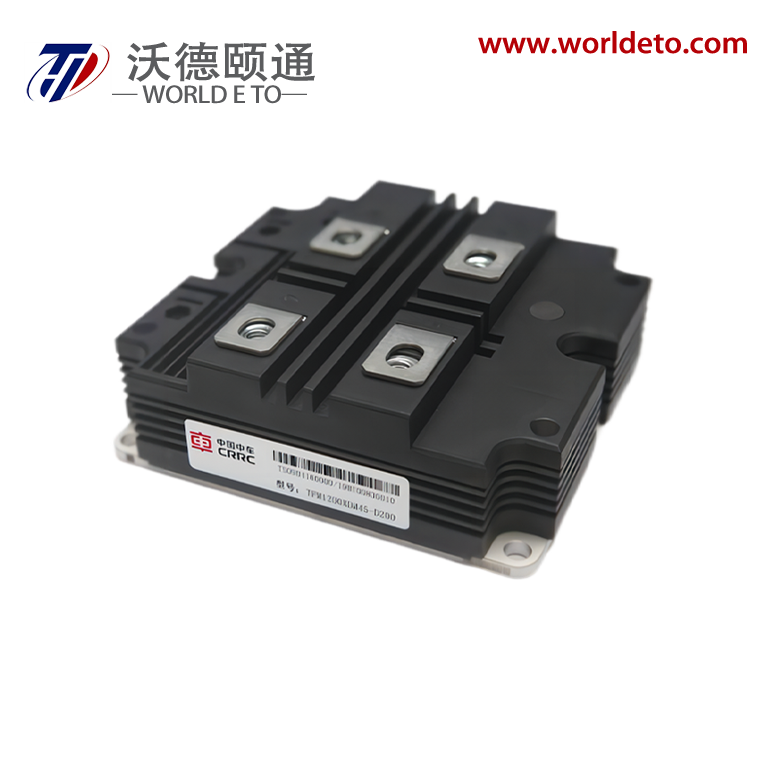
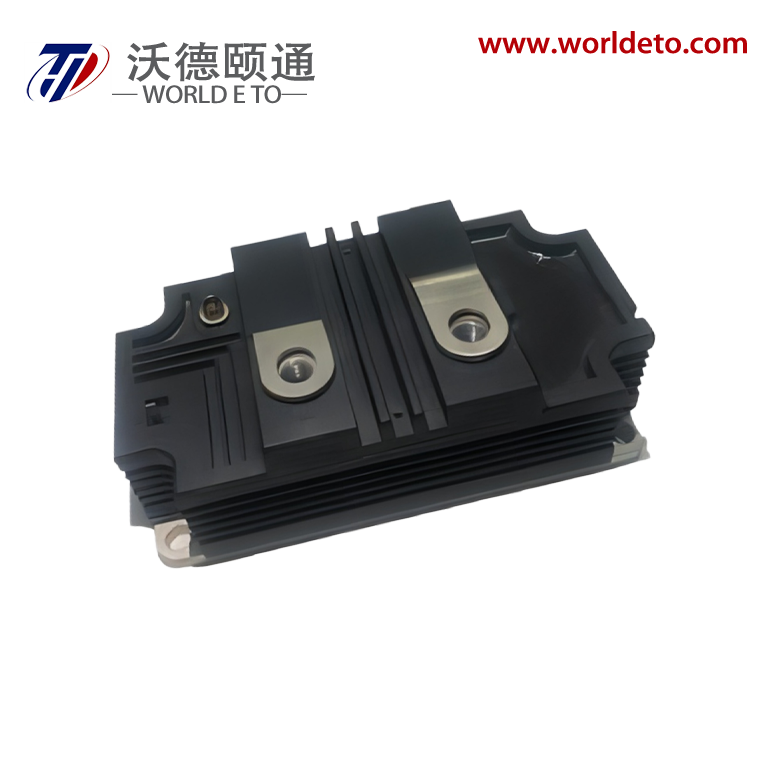
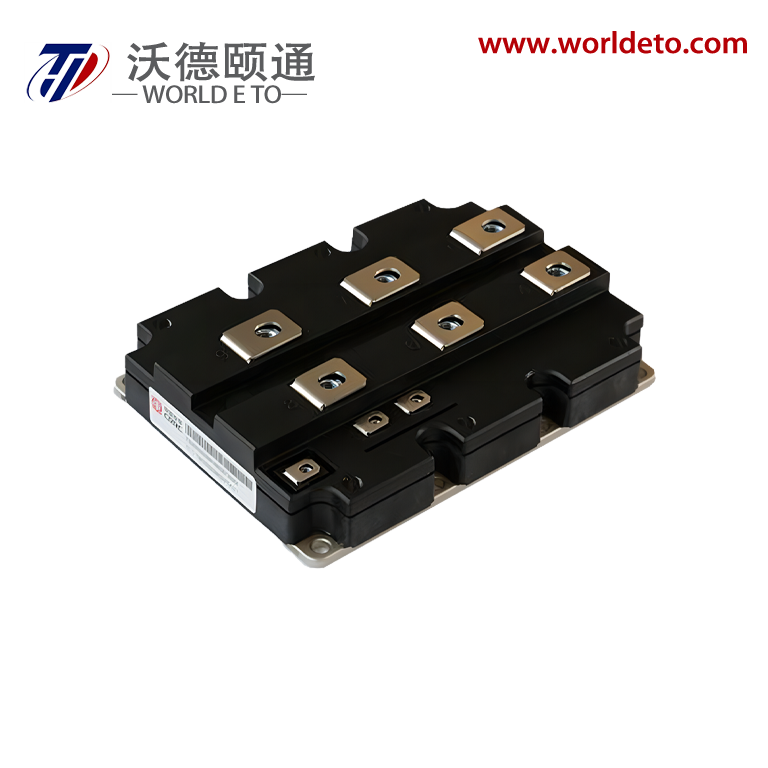
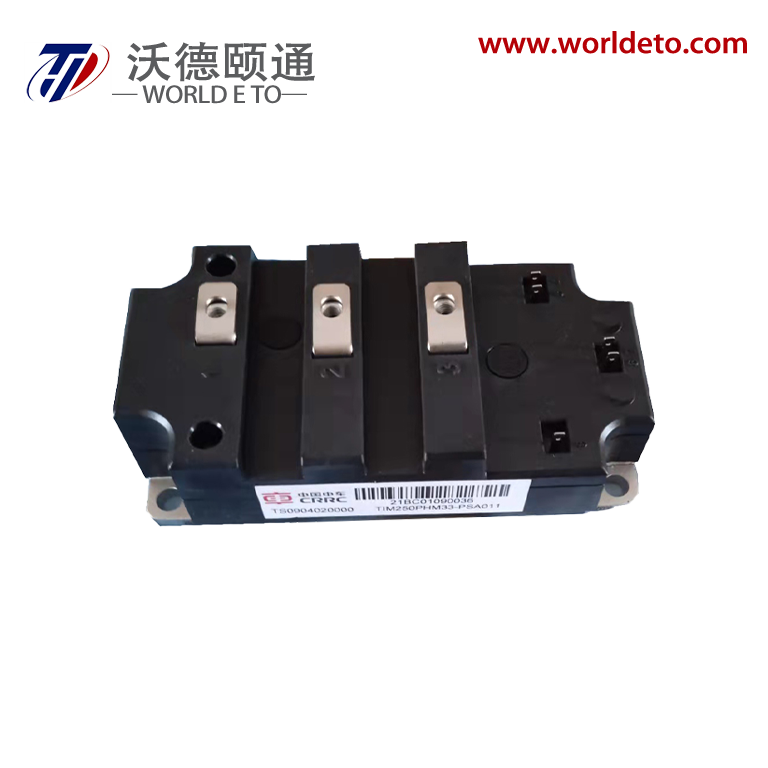
Skalabilitas yang Fleksibel dan Arsitektur Modular
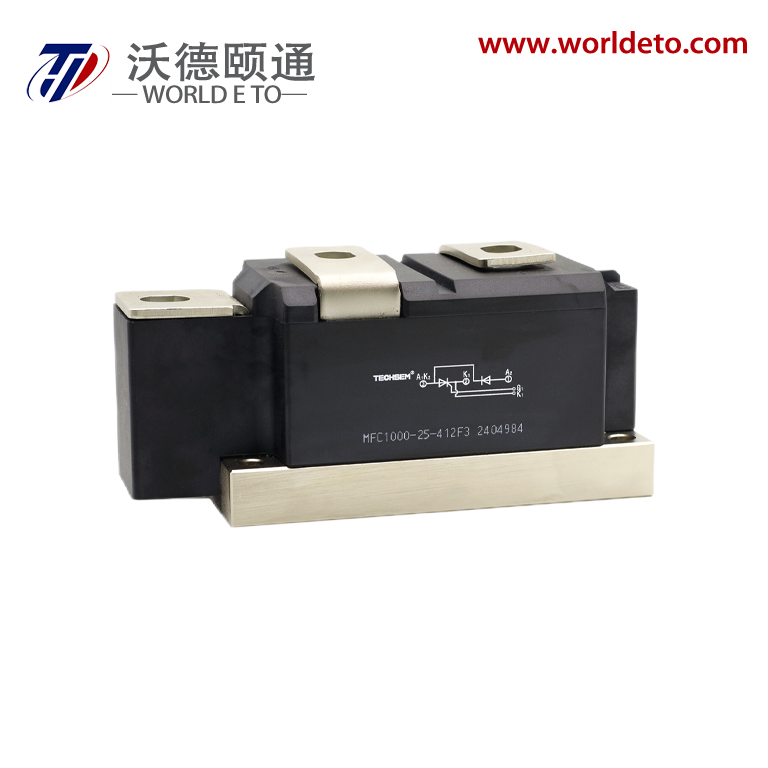
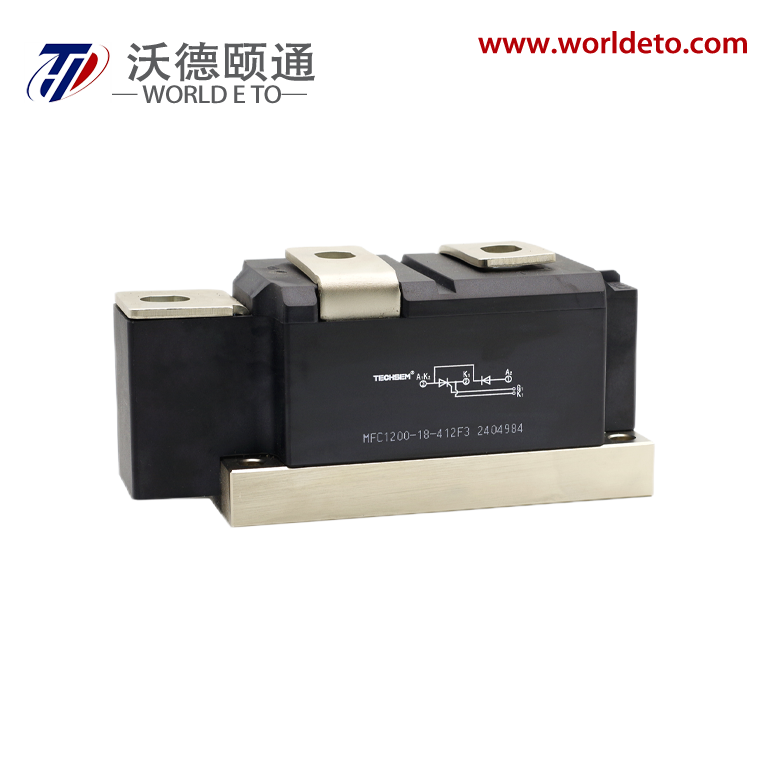
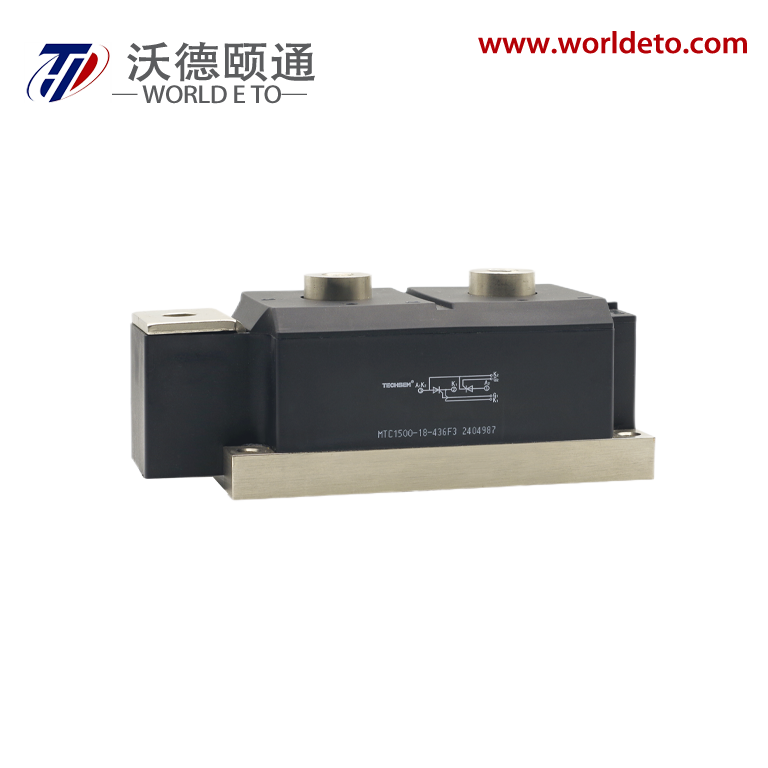
Filosofi desain modular pada sistem penyearah transistor memberikan fleksibilitas yang tak tertandingi bagi para perancang sistem dan pengguna akhir yang membutuhkan penyesuaian terhadap kebutuhan daya yang berubah seiring waktu. Arsitektur yang dapat diskalakan memungkinkan ekspansi kapasitas secara mulus melalui penambahan modul-modul paralel tanpa memerlukan pemadaman sistem atau modifikasi besar terhadap infrastruktur. Modularitas ini merupakan keunggulan signifikan bagi organisasi yang sedang berkembang, yang membutuhkan peningkatan kapasitas daya secara bertahap alih-alih melakukan investasi modal besar di awal. Setiap modul penyearah transistor beroperasi secara independen sambil berkontribusi terhadap keluaran total sistem, sehingga menciptakan redundansi bawaan yang meningkatkan keandalan keseluruhan sistem. Jika satu modul memerlukan perawatan atau mengalami kegagalan, modul-modul lainnya tetap beroperasi, memastikan pasokan daya tanpa gangguan ke beban kritis. Desain hot-swappable pada banyak modul penyearah transistor modern memungkinkan kegiatan perawatan dilakukan tanpa downtime sistem, sehingga meminimalkan gangguan terhadap operasional dan memaksimalkan ketersediaan sistem. Fleksibilitas konfigurasi juga mencakup karakteristik keluaran, dengan pembagian arus yang dapat diprogram guna memastikan beban yang seimbang di seluruh modul, terlepas dari jumlah unit aktif. Pendekatan modular menyederhanakan manajemen persediaan dan mengurangi kebutuhan suku cadang, karena satu jenis modul dapat digunakan untuk berbagai konfigurasi sistem serta tingkat kapasitas. Fleksibilitas pemasangan diuntungkan oleh desain modul yang kompak, yang mendukung berbagai orientasi pemasangan dan konfigurasi rak, sehingga memanfaatkan ruang yang tersedia di ruang peralatan maupun fasilitas industri secara efisien. Antarmuka komunikasi standar antar modul memungkinkan pemantauan dan pengendalian terpusat terhadap seluruh sistem penyearah melalui satu antarmuka operator. Algoritma distribusi beban secara otomatis mengoptimalkan pembagian daya di antara modul-modul aktif guna memaksimalkan efisiensi dan memperpanjang masa pakai komponen melalui pembagian beban termal yang seimbang. Arsitektur modular juga mendukung konfigurasi generasi campuran, memungkinkan modul-modul baru yang lebih efisien beroperasi bersama peralatan yang sudah ada selama program peningkatan bertahap. Kemampuan future-proofing menjamin bahwa modul tambahan dapat diintegrasikan seiring kemajuan teknologi, sehingga melindungi investasi awal sekaligus memungkinkan peningkatan kinerja. Proses pemecahan masalah yang disederhanakan memanfaatkan diagnosis tingkat modul yang mampu mengisolasi permasalahan secara cepat dan akurat, sehingga mengurangi waktu dan biaya perawatan. Modularitas komprehensif ini menjadikan teknologi penyearah transistor pilihan ideal untuk aplikasi yang memerlukan keandalan tinggi, kemampuan ekspansi di masa depan, serta gangguan operasional minimal selama kegiatan perawatan.

 EN
EN