Pontos mérési képességek minimális rendszerhatással
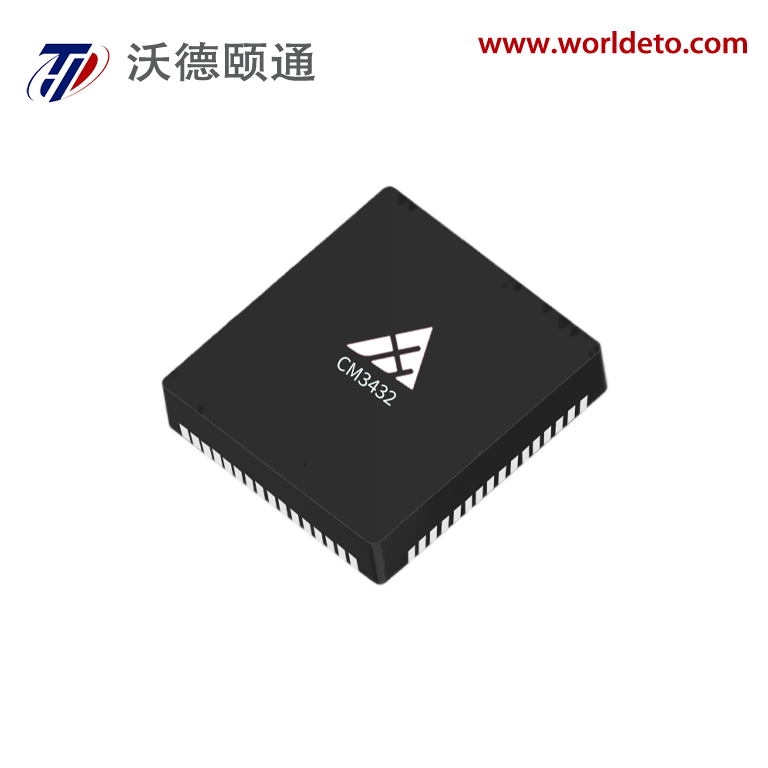
A kis fogyasztású ADC-technológia figyelemre méltó pontossági mérési képességei kiváló pontosságot és felbontást biztosítanak, miközben minimális hatással vannak az egész rendszer teljesítményére és erőforrásaira, így ezeket az átalakítókat ideális megoldásként tüntetik fel a nagy pontosságot és hatékonyságot egyaránt igénylő, követelményes mérési alkalmazásokhoz. A modern, alacsony fogyasztású ADC-tervek 16- és 24 bites pontosság közötti felbontási szinteket érnek el, amely elegendő mérési finomságot biztosít a legigényesebb érzékelőalkalmazásokhoz, például orvosi diagnosztikához, környezeti monitoringhoz és tudományos műszerekhez. A magas felbontás lehetővé teszi apró jelváltozások észlelését, amelyek kritikus rendszerállapotra vagy a berendezés kopásának korai jeleire utalhatnak, támogatva ezzel az előrejelző karbantartási stratégiákat és javítva az egész rendszer megbízhatóságát. A delta-szigma típusú, alacsony fogyasztású ADC-architektúrákban alkalmazott fejlett túlmintavételezési technikák hatékonyan növelik a jel-zaj arányt anélkül, hogy arányosan megnövelnék a fogyasztást, így olyan mérési minőséget nyújtanak, amely összemérhető a sokkal magasabb fogyasztású átalakítókéval. A programozható erősítési tényezőjű erősítők és a rugalmas bemeneti multiplexelés integrálása lehetővé teszi, hogy egyetlen alacsony fogyasztású ADC-egység több érzékelőbemenetet is kezeljen különböző jel-szintekkel és jellemzőkkel, jelentősen csökkentve az alkatrészek számát és leegyszerűsítve a rendszertervezés bonyolultságát. Számos alacsony fogyasztású ADC-tervbe beépített kalibrációs funkciók lehetővé teszik a hőmérséklet-drift, a referenciafeszültség-ingadozások és az öregedési hatások kompenzálását, így a mérési pontosság hosszú üzemidőn keresztül megmarad külső beavatkozás nélkül. A széles hőmérséklet-tartományon belüli stabil működési jellemzők biztosítják a mérési minőség konzisztenciáját a nehéz környezeti feltételek mellett is, ahol a hagyományos átalakítók pontatlanná válhatnak vagy akár teljesen meghibásodhatnak. Az új generációs, alacsony fogyasztású ADC-tervekbe integrált digitális szűrési és jel-feldolgozási képességek további zajcsökkentést és jel-előkondicionálást biztosítanak külső feldolgozóerőforrások igénybevétele nélkül, így tovább minimalizálva a rendszer terhelését, miközben a mérési minőség maximális marad. A nagy pontosság, az alacsony fogyasztás és az integrált jel-feldolgozás kombinációja vonzó értékajánlatot teremt olyan alkalmazásokhoz, ahol a mérési minőség nem hozható kompromisszumra, még a szigorú energia-költségvetési korlátozások mellett sem.

 EN
EN