İstisnai sadəlik və tez tətbiq
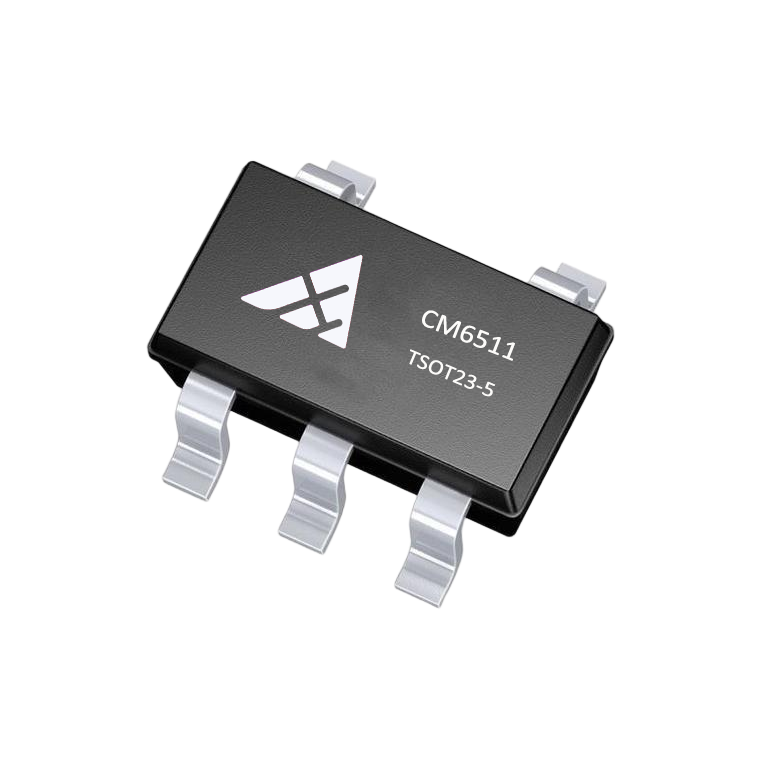
Xətti LDO regulyatorları, mühəndislərin minimal xarici komponentlərlə və sadə dövrə quruluşu ilə etibarlı gərginlik tənzimləməsi əldə etmələrini təmin edən, layihə həyata keçirilməsində müqayisəsiz sadəlik təklif edir. Bu layihə sadəliyi birbaşa inkişaf müddətinin qısalmasına, sistem xərclərinin azalmasına və potensial uğursuzluq nöqtələrinin azalması hesabına etibarlılığın artırılmasına çevrilir. Tipik xətti LDO tətbiqi yalnız sabit iş rejimi üçün giriş və çıxış kondensatorlarını tələb edir; bu, induktorlar, çoxsaylı kondensatorlar, dioadlar və mürəkkəb kompensasiya şəbəkələri tələb edən impuls (switching) regulyatorlardan kəskin fərqlənir. Komponentlərin sadə tələbləri yalnız materialların ümumi dəyərini azaltmır, həm də lövhənin istifadə olunan sahəsini minimuma endirir; beləliklə, xətti LDO regulyatorları geyinilə bilən cihazlar, smartfonlar və miniatur sensorlar kimi kiçik, yer məhdudiyyəti olan tətbiqlər üçün ideal hala gəlir. Sadə həyata keçirilmə prosesi dizayn mühəndislərinə mürəkkəb enerji təchizatı dizaynı çətinliklərinə deyil, əsas funksional imkanlara diqqət yetirməyə imkan verir və beləliklə, məhsul inkişaf dövrlərini sürətləndirir, bazarğa çıxma müddətini qısaltmağa kömək edir. Xətti LDO regulyatorları impuls regulyatorlarının dizaynını çətinləşdirən elektromaqnit maneələrinə (EMI) ehtiyac yaratmır, çünki onların davamlı xətti iş prinsipi yüksək tezlikli impuls gürültüsü yaratmadığından, diqqətli PCB yerləşdirməsi və ekranlaşdırma texnikaları tələb olunmur. Bu EMI-yə səbəb olmayan iş rejimi elektromaqnit uyğunluq (EMC) qaydalarına uyğunluğun təmin edilməsini asanlaşdırır və dizayn iterasiya dövrlərini azaldır. Xətti LDO dövrələrinin daxili sabitliyi və sadə xarici komponent tələbləri, istehsal toleransları və mühit şəraitindəki dəyişikliklər boyu performansı saxlayan, möhkəm dizaynlar yaradır. Mühəndislər xətti LDO regulyatorlarının proqnozlaşdırıla bilən davranışı ilə razıdırlar: dövrənin performansı mürəkkəb simulyasiya tələbləri olmadan dəqiq modelləşdirilə və doğrulanıla bilər. Xətti LDO cihazlarının sürətli keçid reaksiyası xüsusiyyəti yüklənmə dəyişikliklərindən sürətli bərpa olunmasını təmin edir və bunun üçün mürəkkəb kompensasiya sxemlərinə ehtiyac yoxdur; beləliklə, dinamik cərəyan tələbləri olan tətbiqlər üçün xüsusilə uyğundur. Bundan əlavə, xətti LDO regulyatorlarının çoxsaylı paket variantlarında — mikro çipmiqyaslı paketlərdən standart delikli (through-hole) formatlara qədər — geniş təklifi dizayna esneklik verir və eyni zamanda bu cihazları etibarlı, asan həyata keçirilə bilən gərginlik tənzimləmə həlləri tələb edən müxtəlif tətbiqlər üçün çox cəlbedici edən əsas sadəlik üstünlüyünü qoruyur.

 EN
EN