iGBT idarəetmə mikrosxeması
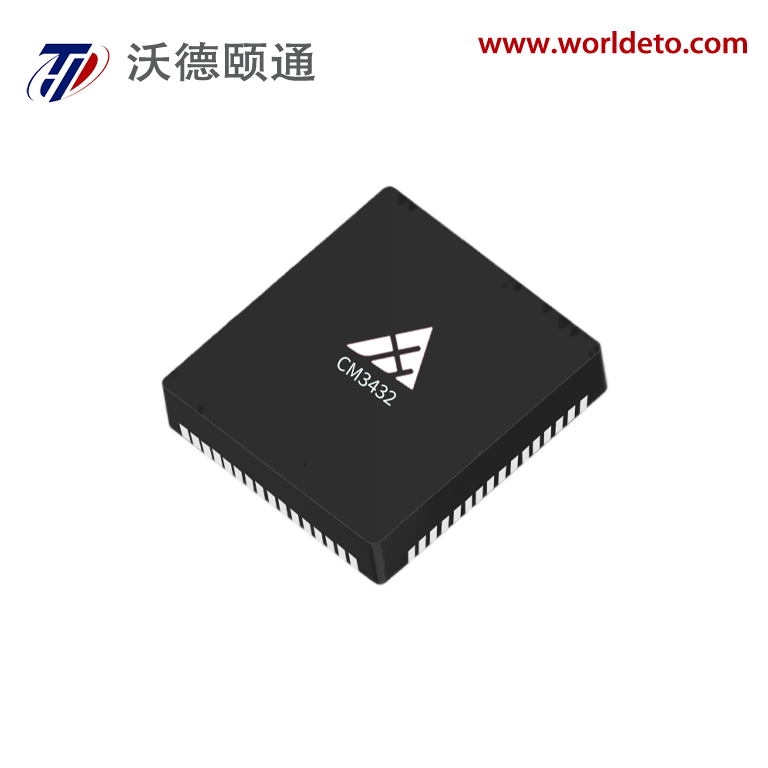
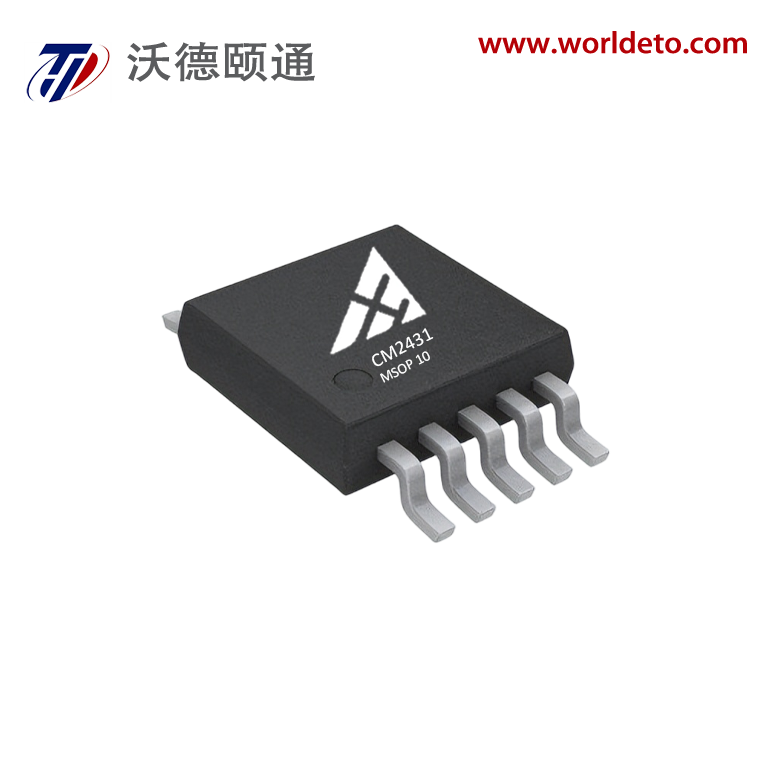
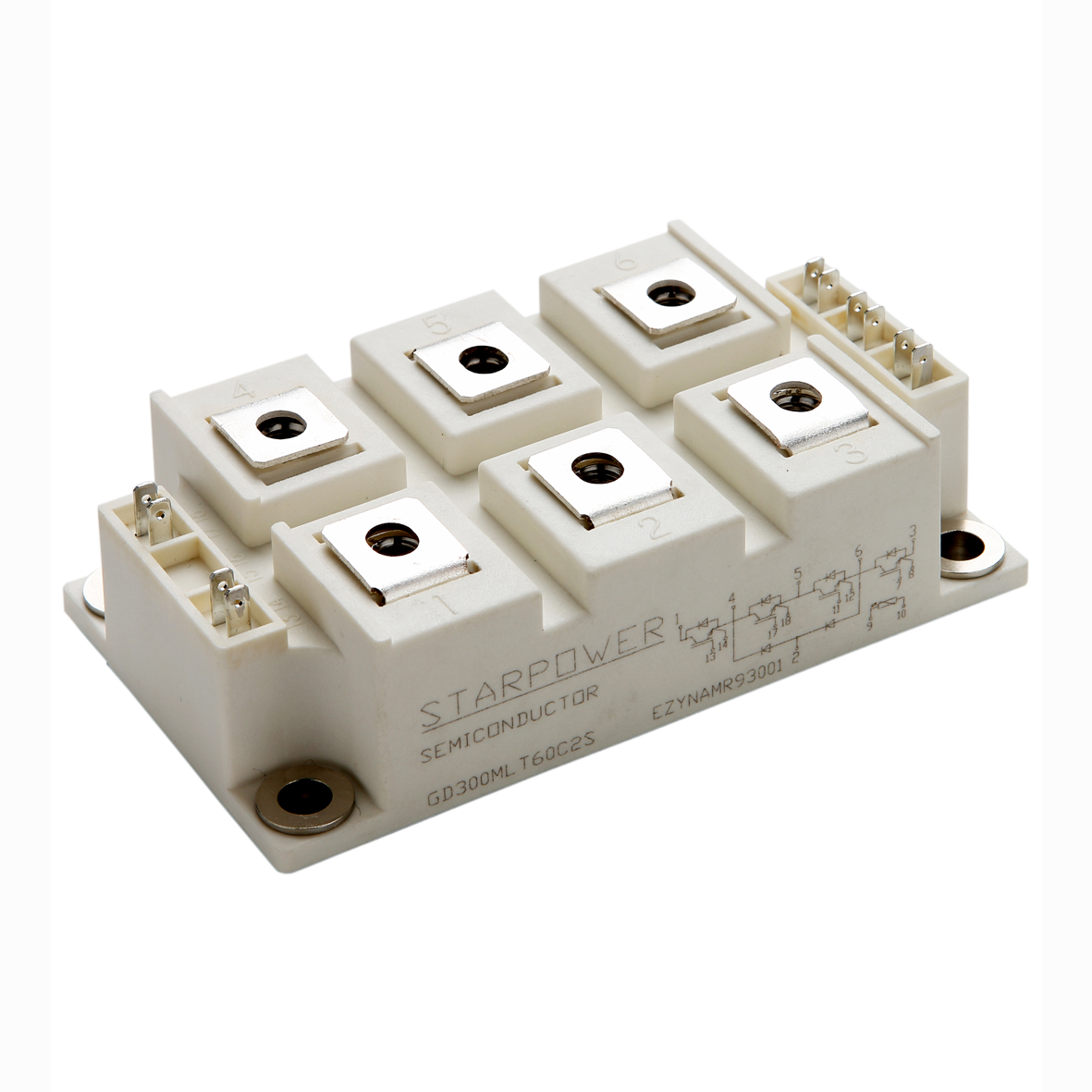
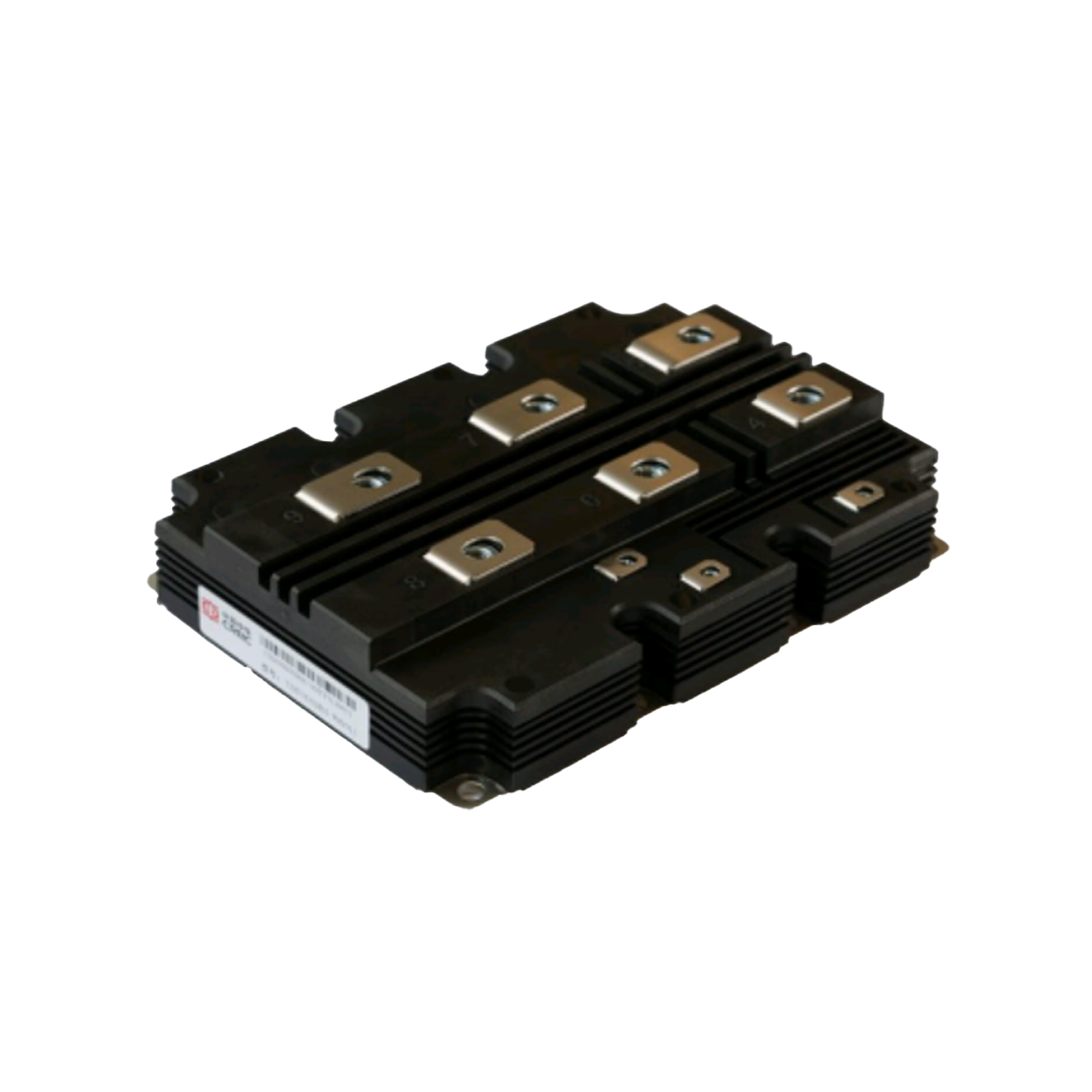
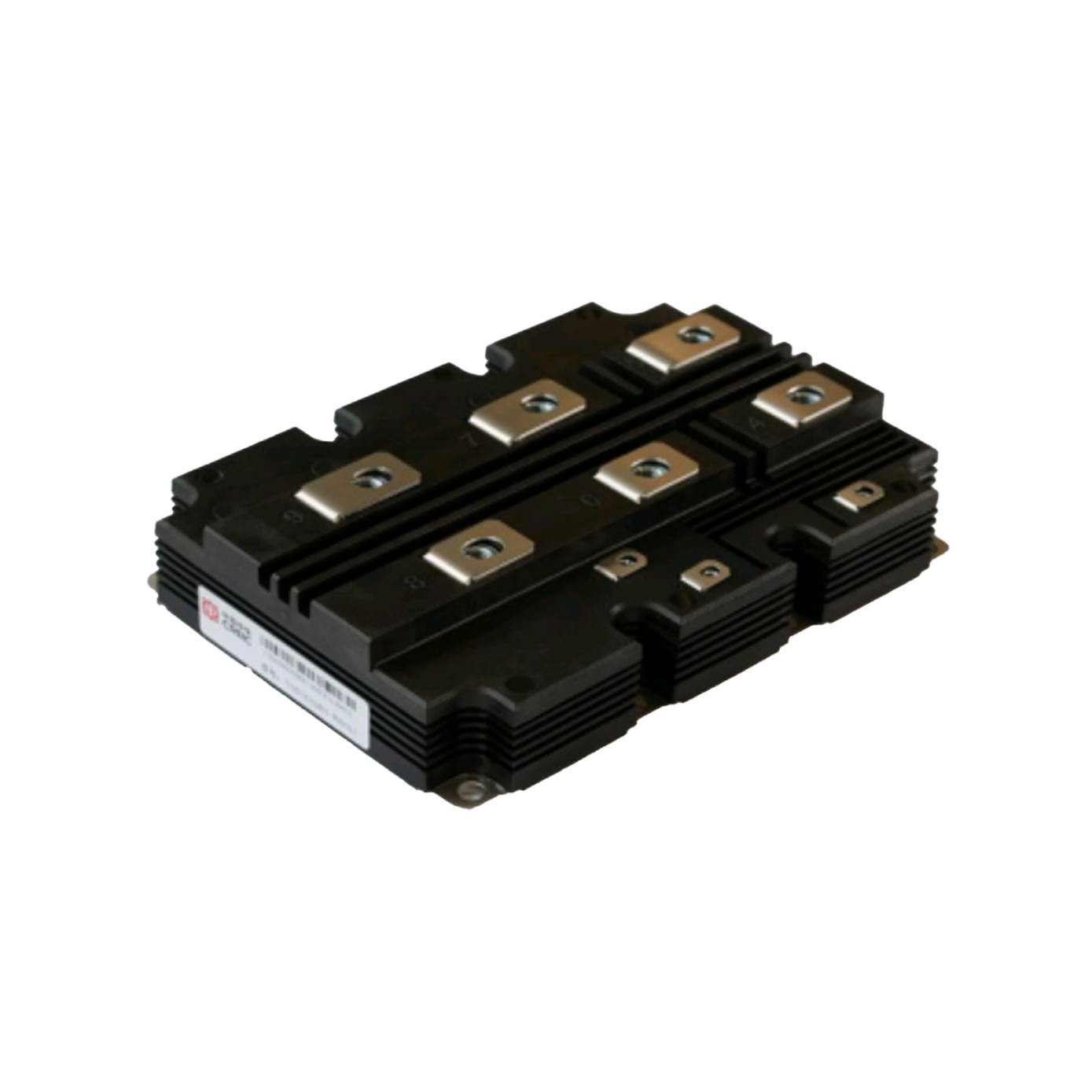
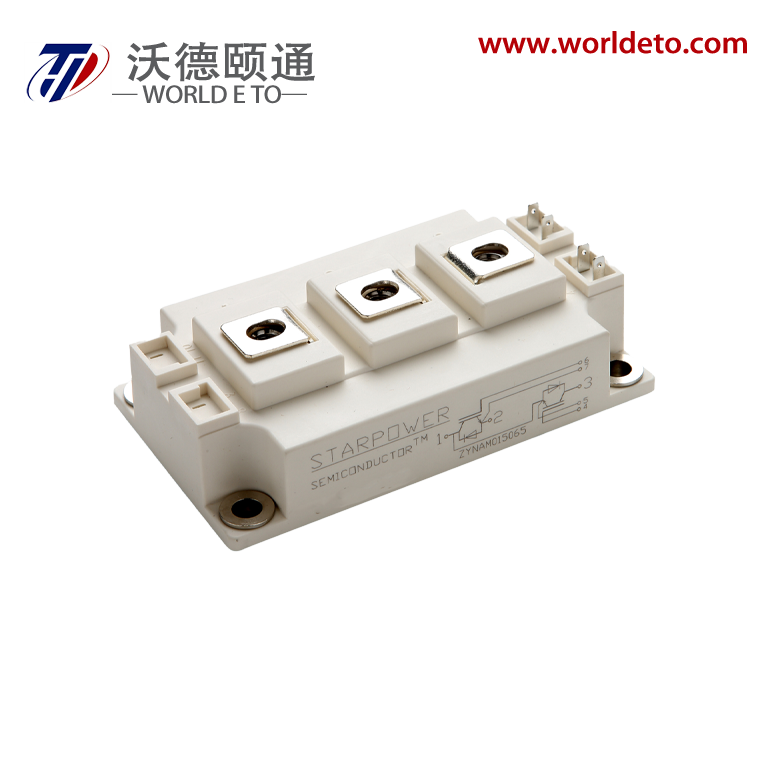
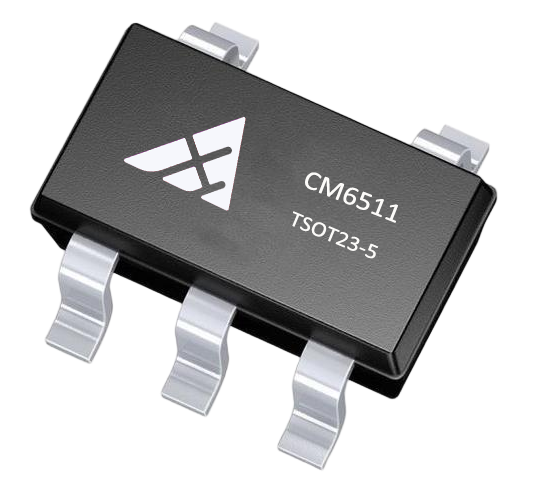
IGBT idarəetmə IC-si, müxtəlif güclü elektron tətbiqlərdə İzolyasiyalı Qapılı Bipolyar Tranzistorları (IGBT) idarə etmək və tənzimləmək üçün nəzərdə tutulmuş mürəkkəb yarımkeçirici həllidir. Bu irəli səviyyəli inteqral sxem aşağıgüclü idarəetmə siqnalları ilə yüksəkgüclü açma-qapama cihazları arasındakı əsas interfeys rolunu oynayır və enerji çevrilmə sistemlərinin dəqiq idarə edilməsini təmin edir. IGBT idarəetmə IC-si qapı sürüşdürməsi, qoruma mexanizmləri və siqnal emalı kimi bir neçə funksiyanı özündə birləşdirir ki, bu da güclü açma-qapama dövrələrinin optimal işləməsini təmin edir. Müasir IGBT idarəetmə IC-ləri, IGBT-lərin minimal açma-qapama itkiləri ilə effektiv şəkildə açılıb-qapanmasını təmin etmək üçün lazım olan gərginlik və cərəyan səviyyələrini verən irəli səviyyəli qapı sürüşdürmə dövrələrinə malikdir. Bu inteqral sxemlər adətən aşırı cərəyan aşkarlaması, aşırı gərginlik qorunması və istilik monitorinqi kimi daxili qoruma xüsusiyyətlərini ehtiva edir ki, bu da həm IGBT idarəetmə IC-sini, həm də qoşulmuş güclü cihazları qoruyur. IGBT idarəetmə IC-sinin texnoloji arxitekturası tez-tez idarəetmə loqikası ilə güclü mərhələlər arasındakı galvanik ayrılığı təmin edən izolyasiya maneələrini daxil edir; bu da sistemin təhlükəsizliyini artırır və elektromaqnit müdaxiləni azaldır. IGBT idarəetmə IC-sindəki siqnal emalı imkanları müxtəlif mikrokontroller və rəqəmsal siqnal prosessoru platformaları ilə düzgün qarşılıqlı əlaqəyə imkan verir və beləliklə, mürəkkəb idarəetmə sistemlərinə inteqrasiyanı asanlaşdırır. IGBT idarəetmə IC-si həmçinin sistem səmərəliliyini optimallaşdırmaq üçün açılma və bağılma gecikmələrini, ölü vaxt generasiyasını və açma-qapama tezliyinin tənzimlənməsini idarə edən dəqiq vaxt idarəetmə mexanizmlərini də özündə birləşdirir. İrəli səviyyəli IGBT idarəetmə IC-ləri iş rejimi, temperatur və yük tələblərinə əsasən sürüşdürmə parametrlərini uyğunlaşdıran adaptiv qapı sürüşdürmə üsullarını daxil edir. Bu mürəkkəb sxemlər motor sürücülərində, bərpa olunan enerji sistemlərində, dayanıqlı enerji təchizatı qurğularında, qaynaq avadanlığında və elektrikli avtomobillərin güclü ötürücülərində geniş tətbiq sahəsi tapır. Müasir IGBT idarəetmə IC-lərinin inteqrasiya səviyyəsi davamlı olaraq inkişaf edir və daxili cərəyan ölçməsi, temperatur monitorinqi və diaqnostika imkanları kimi xüsusiyyətləri daxil edir ki, bu da sistemin etibarlılığını və performans monitorinqini artırır.

 EN
EN