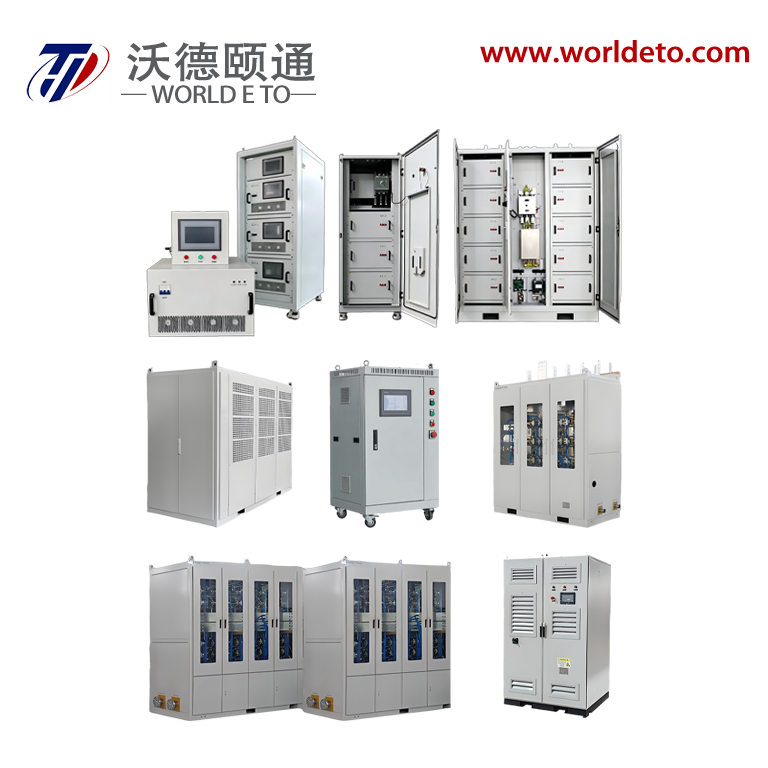
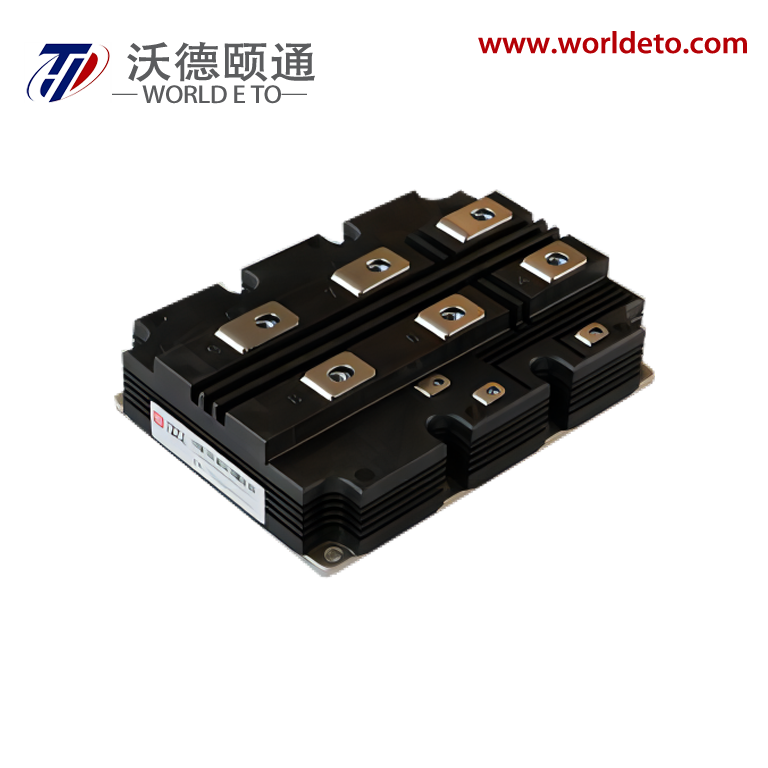
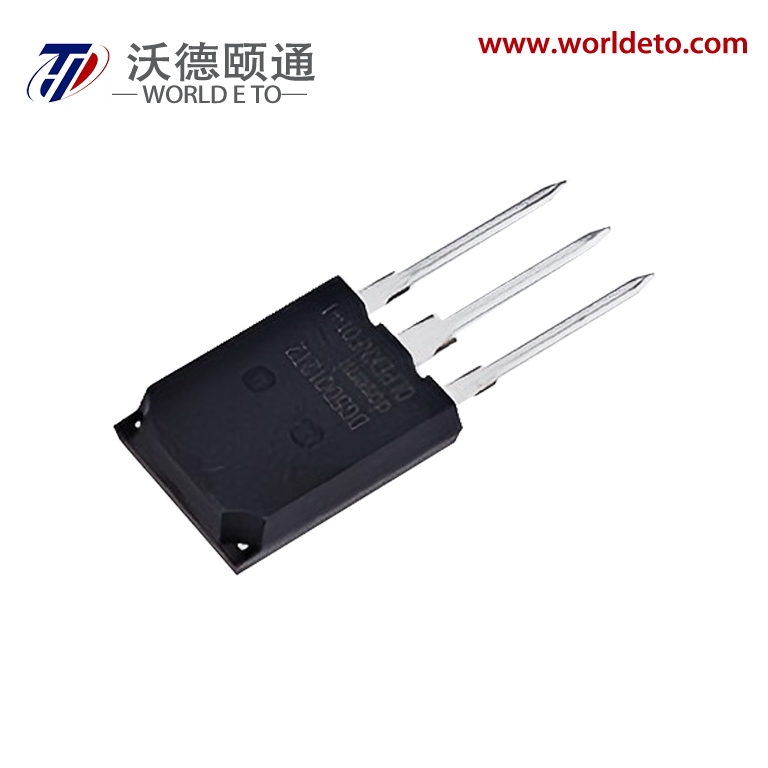
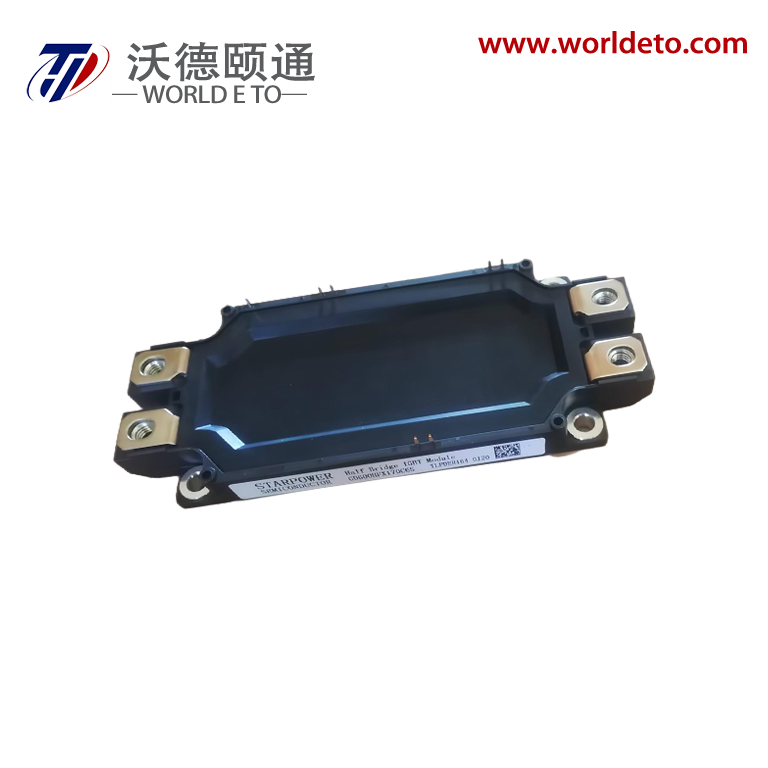
Overview
The high-frequency switching power supply adopts IGBT PWM-based power conversion technology and features four major advantages: intelligence, modularization, digitalization, and networking. It is characterized by five key performance attributes: high frequency, high efficiency, high reliability,high power density, and high power factor.With these advantages, it is widely used in surface treatment, advanced material processing, high-end manufacturing, energy-saving and environmental protection, data centers, plasma torches, wastewater treatment, robotic charging, and other applications.
Applications
●Electroplating
Electroplating of zinc, chromium, nickel, tin, copper, gold, silver, and other metals.
●Electrolysis Applications including:
- Hydrogen production by water electrolysis
- Chlor-alkali electrolysis
- Copper electrolysis
- Electrolytic copper foil production
- NF₃ electrolysis ○ Hydrogen fluoride electrolysis ○ Electrophoresis ○ Electrocoating
- Zinc electrolysis ○ Seawater desalination, etc.
● Surface Treatment Applications including:
- Anodizing
- Hard anodizing
- Aluminum foil etching
- Cleaning processes
● Electric Heating Applications including:
- Plasma heating
- Electric arc furnaces
● Charging Applications Applications including:
- Mobile robots
- Battery charging systems
● Crystal Growth Applications including the growth of:
- Monocrystalline silicon ○ Polycrystalline silicon
- Sapphire crystals ○ Silicon carbide (SiC) crystals
- Gallium arsenide (GaAs) crystals
- Indium phosphide (InP) crystals
- Other semiconductor crystals.
● Environmental Protection Applications Applications including:
- Wastewater treatment
- Electrocoagulation
- Electrodialysis for seawater treatment
- Sludge treatment, etc
● Other DC Power Supply Applications Applications including:
- Laboratories
- Military applications
- Aerospace applications
- Other specialized DC power supply fields
Operating Principle
The three-phase (or single-phase) AC input is converted through AC-DC rectification and filtering. The resulting DC power is then processed by a high-frequency DC-DC conversion circuit based on Insulated Gate Bipolar Transistors (IGBTs), MOSFETs, or other advanced power switching topologies. Through high-frequency conversion and regulation (typically 10–40 kHz), followed by high-efficiency rectification and filtering, the system provides a stable DC output power supply that meets the specific requirements of the end user. The control system adopts a fully digital DSP-based control architecture, integrating multiple functional modules, including:
- Auxiliary power supply circuits
- Input and output sampling circuits
- PWM generation circuits
- Communication interface circuits
- Protection circuits The system provides outstanding advantages including:
- High control accuracy and stability
- Fast dynamic response
- Excellent electromagnetic interference (EMI) immunity
- Comprehensive protection functions
- Rich communication interfaces
Technical Advantages
The three-phase (or single-phase) AC input is converted through AC-DC rectification and filtering. The resulting DC power is then processed by a high-frequency DC-DC conversion circuit based on Insulated Gate Bipolar Transistors (IGBTs), MOSFETs, or other advanced power switching topologies. Through high-frequency conversion and regulation (typically 10–40 kHz), followed by high-efficiency rectification and filtering, the system provides a stable DC output power supply that meets the specific requirements of the end user. The control system adopts a fully digital DSP-based control architecture, integrating multiple functional modules, including:
- Auxiliary power supply circuits ○ Input and output sampling circuits
- PWM generation circuits
- Communication interface circuits
- Protection circuits The system provides outstanding advantages including:
- High control accuracy and stability
- Fast dynamic response
- Excellent electromagnetic interference (EMI) immunity
- Comprehensive protection functions
- Rich communication interfaces
Main Technical Specifications
Input Voltage |
- AC three-phase 380V /
- AC three-phase 415V / 220V;
-
Customized design available according to customer’s input voltage requirements
|
Output Current |
Rated current: 100A–80kA |
Output Voltage |
Rated voltage: 6V–1000V |
Output Adjustment Range |
0–100% of rated value |
Control Accuracy |
1%, 0.5%, 0.1%, 0.01% (selectable by user) |
Operating Modes |
Constant Voltage (CV) / Constant Current (CC) / Constant Power (CP) |
Ripple |
≤10%, ≤5%, ≤3%, ≤1% (selectable by user) |
Efficiency |
≥90% (at 12V rated output; efficiency increases with higher output voltage) |
Protection Rating |
IP30, IP42, IP44, IP54 (selectable by user) |
Power Factor |
≥0.94 (at rated output) |
Insulation Class |
Class B |
Operating Time |
24-hour continuous operation |
Alarm Type |
Audible and visual alarm |
Dimensions |
Customizable |
PLC Remote Control Interfaces |
- Analog signals: 0–10V / 4–20mA
- Digital communication: RS485 (MODBUS) / RS232 / Profibus-DP / Profinet / CAN
|
Cooling Method |
Air cooling / Water cooling |
Protection Functions |
- Short-circuit protection
- Input overvoltage and undervoltage protection
- Driver protection
- Over-temperature protection
- Output overvoltage protection
- Output overcurrent protection
- Low water pressure protection (water cooling)
- High water temperature protection (water cooling)
|
Human–Machine Interface (HMI) |
Touchscreen interface |
Additional Functional Features |
- Digital control
- Historical data storage and export
- Automatic fault detection and alarm
- Output waveform monitoring and query
- Historical parameter setting storage
- Protection enable/disable function
- Ampere-hour meter
- Timer function
- Low ripple output
- Remote control operation panel
|
Optional Functions |
- Soft start function
- Automatic restart after power recovery
- Automatic output polarity reversal and customizable output waveforms
- Programmable process curves
- Cloud platform support
|

 EN
EN