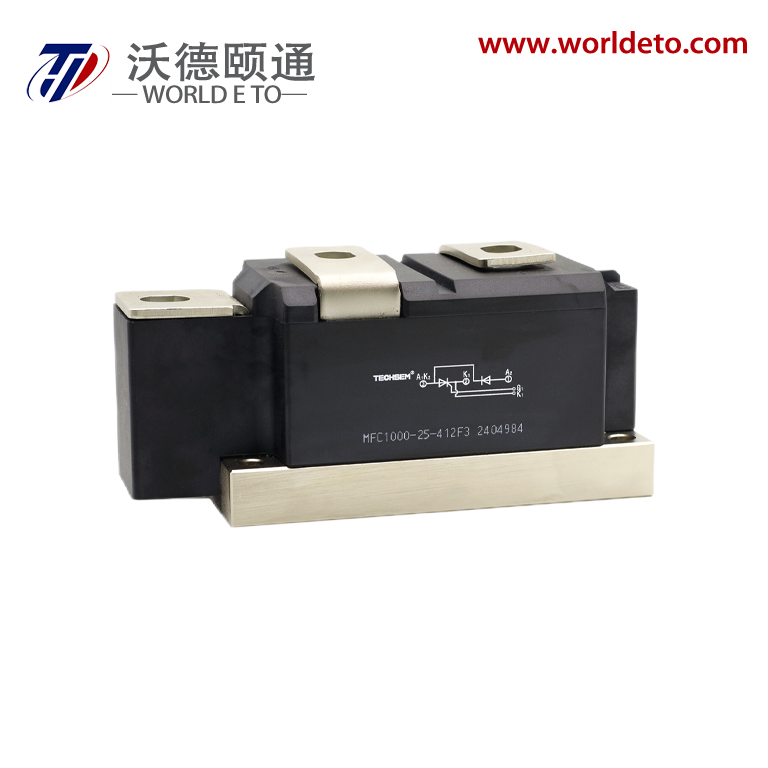
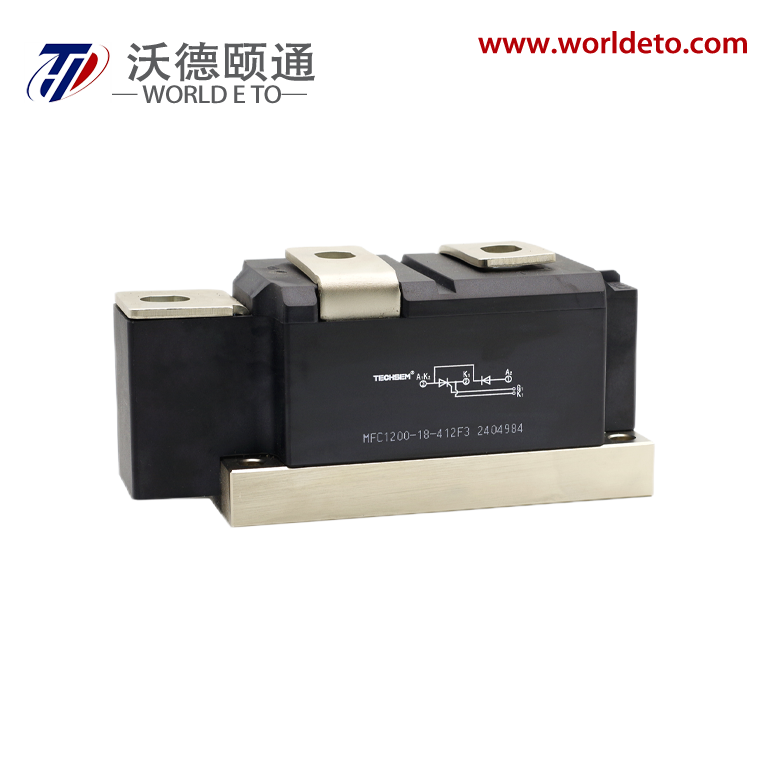
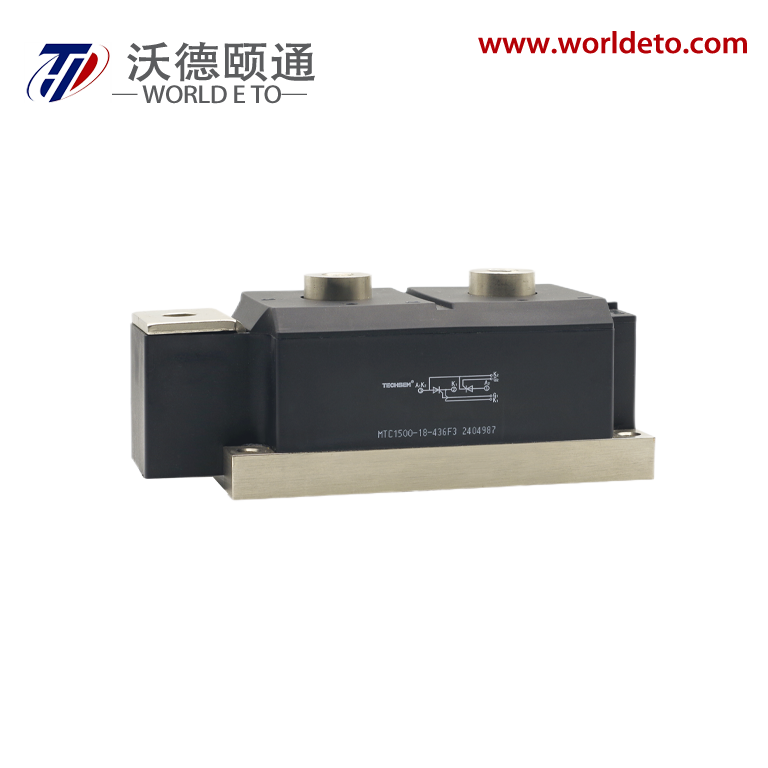
High-Performance Inverter Transistor Solutions - Advanced Power Switching Technology

All Categories
Get a Quote

Get a Free Quote

Our representative will contact you soon.
Email
Name
Company Name
Message
0/1000

inverter transistor

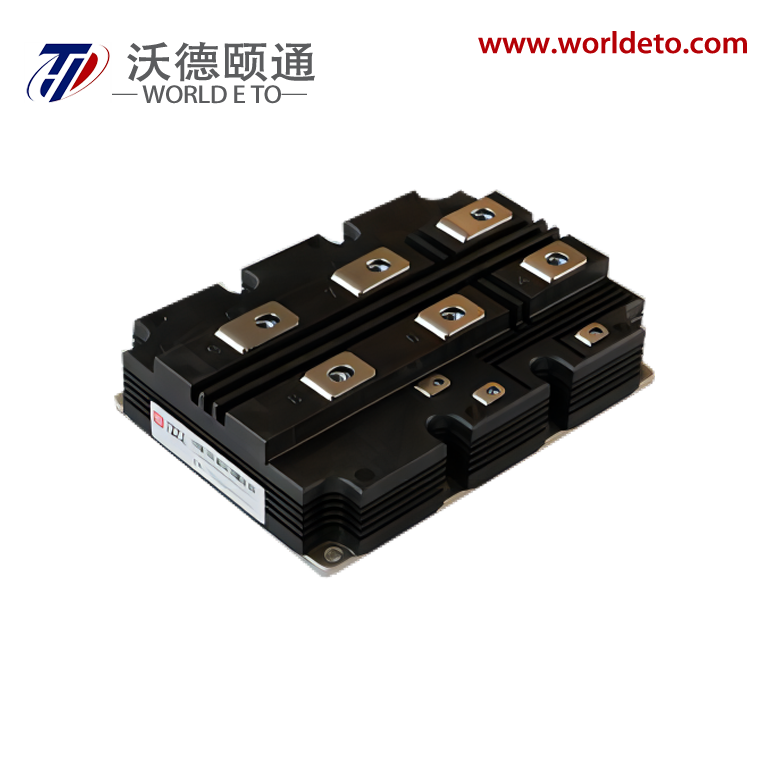
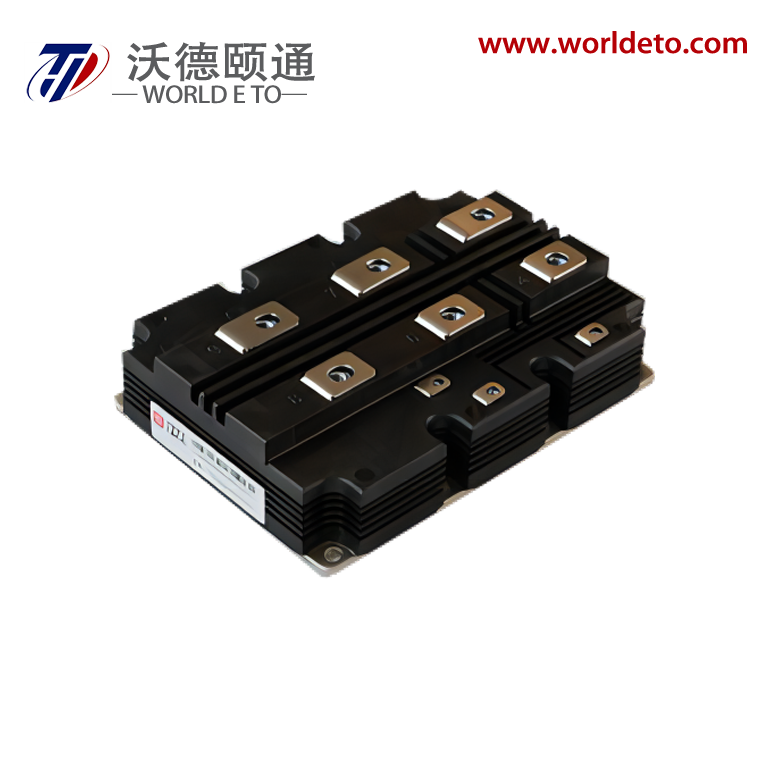
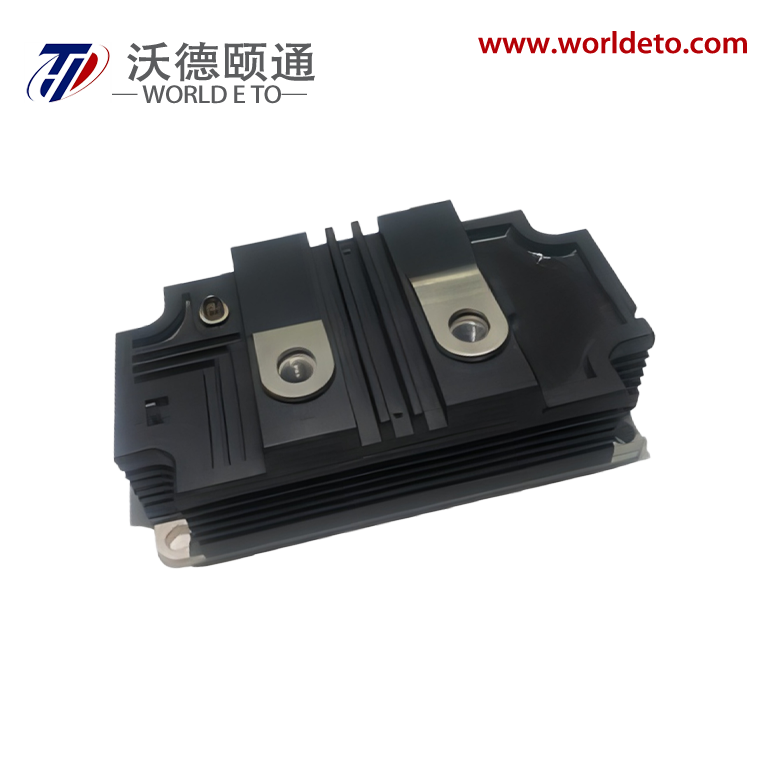
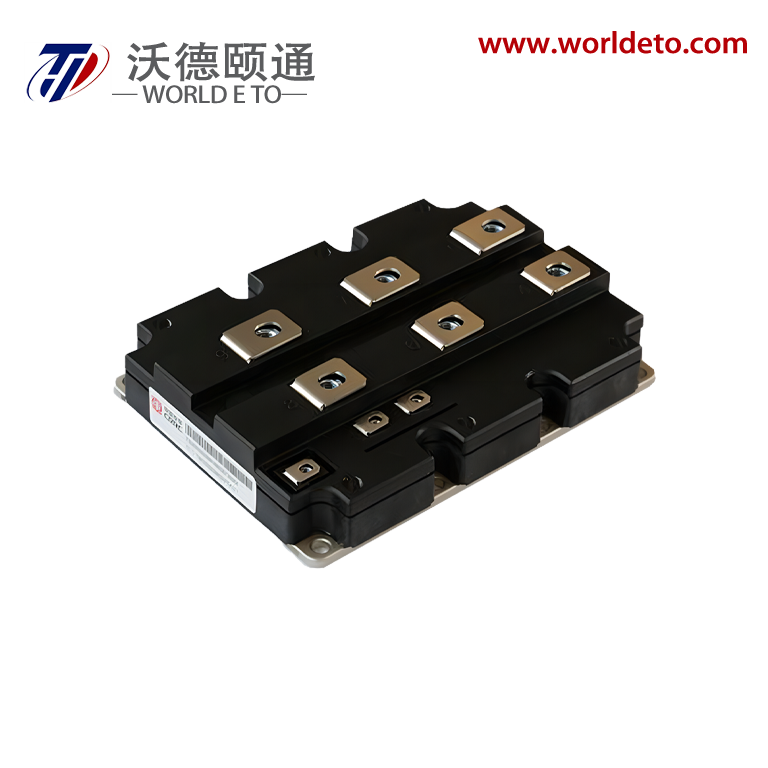
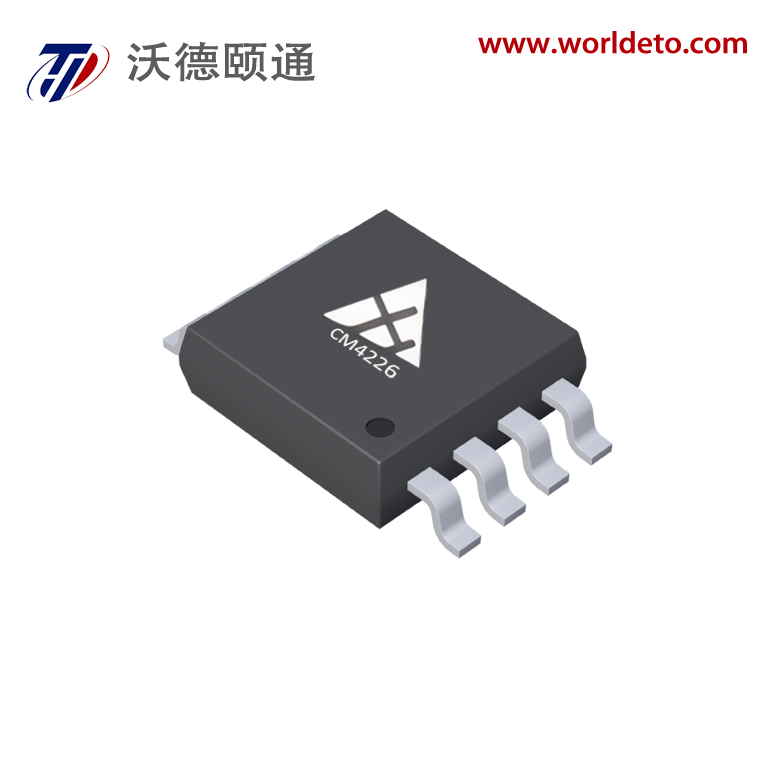
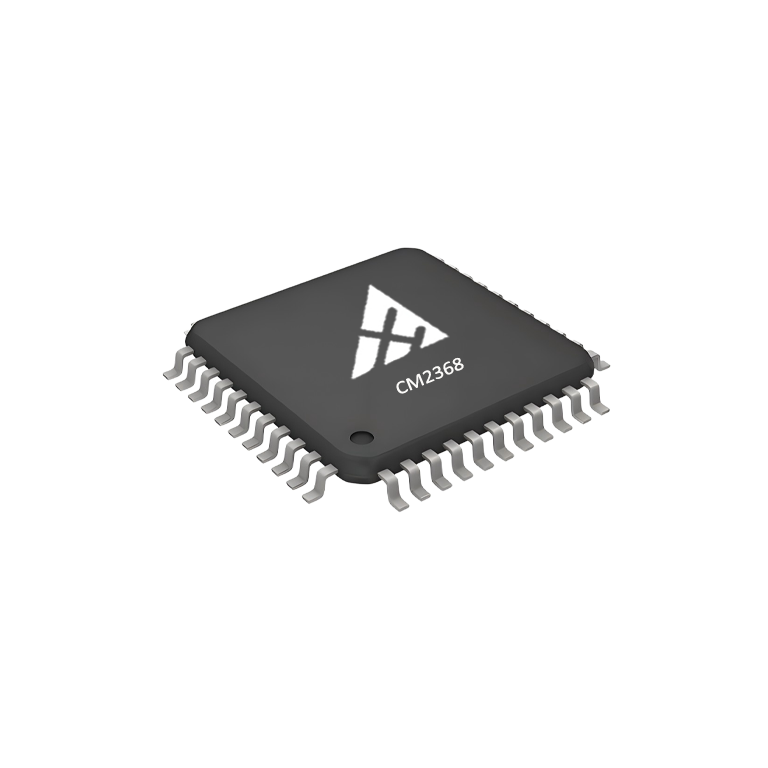
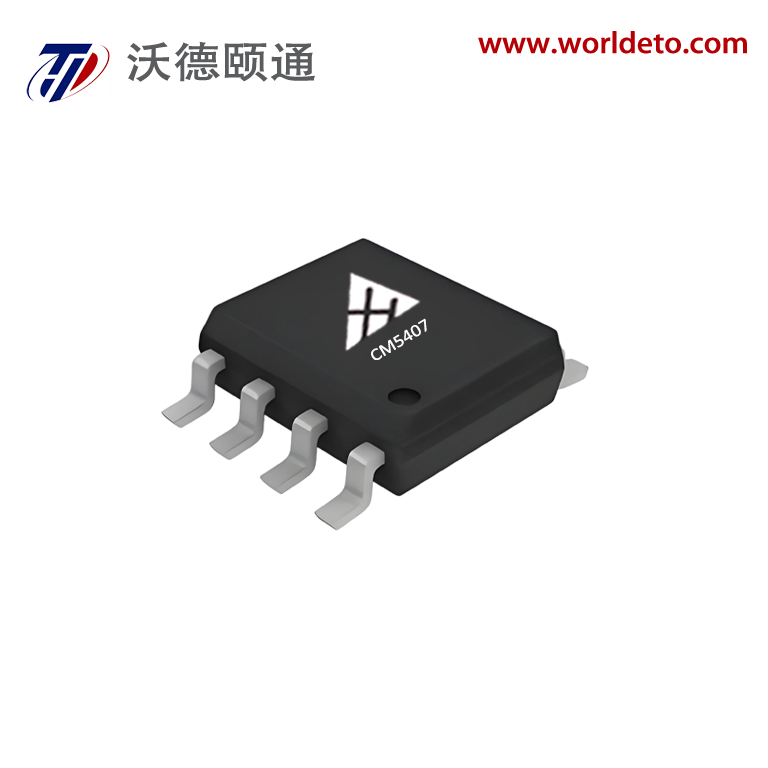
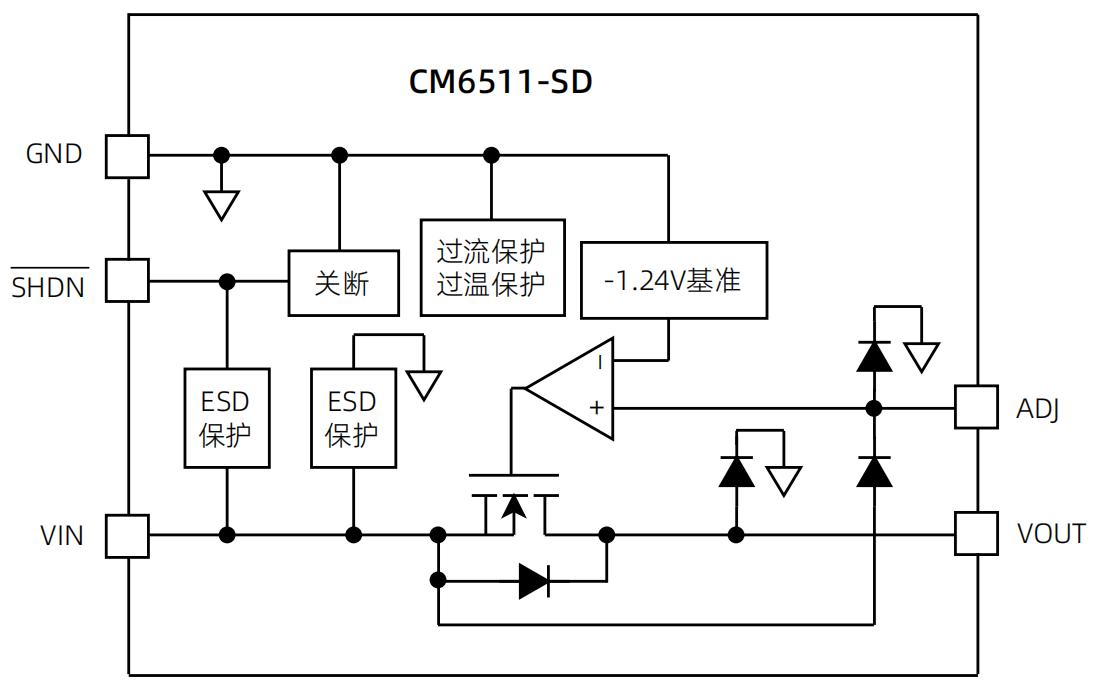
An inverter transistor represents a fundamental building block in modern power electronics and digital switching applications. This specialized semiconductor device serves as the cornerstone for converting direct current (DC) electrical power into alternating current (AC) power through sophisticated switching operations. The inverter transistor operates by rapidly switching between on and off states, creating the necessary waveforms to produce AC output from DC input sources. These devices integrate advanced semiconductor materials and precise engineering to deliver reliable performance across diverse operating conditions. The primary function of an inverter transistor involves controlling electrical current flow through strategic gate control mechanisms. When voltage signals activate the gate terminal, the transistor switches to its conductive state, allowing current to pass through the device. Conversely, removing the gate signal switches the transistor to its non-conductive state, blocking current flow. This fundamental switching capability enables the creation of complex waveforms required for AC power generation. Modern inverter transistors incorporate sophisticated technological features that enhance their operational capabilities. These include improved thermal management systems that dissipate heat effectively during high-power operations. Advanced packaging technologies protect the semiconductor junction from environmental factors while maintaining optimal electrical performance. The devices feature low on-resistance characteristics that minimize power losses during conduction phases. Fast switching speeds enable high-frequency operations essential for modern power conversion systems. Contemporary inverter transistors utilize materials like silicon carbide and gallium nitride that offer superior electrical properties compared to traditional silicon designs. These wide bandgap semiconductors provide enhanced efficiency, reduced switching losses, and improved thermal performance. The devices incorporate intelligent protection features that prevent damage from overcurrent conditions, excessive temperatures, and voltage spikes. Applications for inverter transistors span numerous industries and technological sectors. Solar power systems rely on these devices to convert DC energy from photovoltaic panels into AC electricity compatible with electrical grids. Electric vehicle charging stations use inverter transistors to manage power conversion between different voltage levels and current types. Industrial motor drives incorporate these components to control speed and torque in manufacturing equipment. Consumer electronics utilize miniaturized versions for power management in laptops, smartphones, and household appliances.

New Product Releases

The inverter transistor delivers exceptional performance benefits that directly impact system efficiency and operational costs. These devices achieve remarkable energy conversion rates, often exceeding 95 percent efficiency in optimized applications. This high efficiency translates into reduced electrical waste, lower operating temperatures, and decreased cooling requirements. Users experience significant energy savings that accumulate into substantial cost reductions over extended operating periods. The superior efficiency characteristics stem from advanced semiconductor materials and optimized device structures that minimize resistance losses during switching operations. Fast switching capabilities represent another crucial advantage that sets inverter transistors apart from conventional power switching devices. These components can transition between conducting and non-conducting states in microseconds, enabling precise control over electrical waveforms. Rapid switching speeds facilitate higher operating frequencies, which reduce the size and weight of associated magnetic components like transformers and inductors. This miniaturization leads to more compact system designs and reduced material costs. The quick response times also improve dynamic performance in applications requiring rapid load changes or precise timing control. Reliability stands as a cornerstone advantage that makes inverter transistors indispensable for critical applications. These devices undergo rigorous testing procedures and incorporate robust design features that ensure consistent performance under demanding conditions. Advanced packaging technologies protect the semiconductor elements from moisture, contamination, and mechanical stress. Thermal management systems effectively dissipate heat generated during high-power operations, preventing performance degradation and extending device lifespan. Many inverter transistors feature built-in protection mechanisms that safeguard against overcurrent, overvoltage, and overtemperature conditions. Cost-effectiveness emerges as a significant benefit when considering total system economics. While inverter transistors may require higher initial investment compared to basic switching devices, their superior performance characteristics deliver substantial long-term value. Reduced energy consumption translates into lower electricity bills and decreased environmental impact. Extended device lifespans minimize replacement costs and system downtime. Simplified thermal management requirements reduce cooling system complexity and associated expenses. The compact form factors enabled by efficient inverter transistors allow for smaller enclosures and reduced material costs. Versatility in application represents another compelling advantage that broadens the appeal of inverter transistors. These devices adapt to diverse voltage levels, current ratings, and switching frequencies through careful selection and configuration. Engineers can optimize performance for specific applications by choosing appropriate gate drive circuits and control algorithms. The devices integrate seamlessly with digital control systems, enabling sophisticated power management strategies. This flexibility allows single device families to address multiple application requirements, reducing inventory complexity and design effort.

Latest News

Selecting the Right High-Performance In-Amp for Precision Measurement Systems

24

Nov

Selecting the Right High-Performance In-Amp for Precision Measurement Systems

Precision measurement systems form the backbone of modern industrial applications, from aerospace instrumentation to medical device calibration. At the heart of these systems lies a critical component that determines measurement accuracy and signal i...
View More
Speed Meets Accuracy: Selecting High-Speed Data Converters for Demanding Applications

07

Jan

Speed Meets Accuracy: Selecting High-Speed Data Converters for Demanding Applications

In today's rapidly evolving industrial landscape, the demand for high-speed data converters has reached unprecedented levels. These critical components serve as the bridge between analog and digital domains, enabling sophisticated control systems to ...
View More
High-Precision ADC, DAC, and Voltage References: Comprehensive Analysis of Low-Power Domestic Solutions

02

Feb

High-Precision ADC, DAC, and Voltage References: Comprehensive Analysis of Low-Power Domestic Solutions

The demand for high-precision analog-to-digital converters in modern electronic systems continues to surge as industries require increasingly accurate measurement and control capabilities. High-precision ADC technology forms the backbone of sophistic...
View More
High-Speed vs. High-Precision: How to Select the Ideal ADC for Your Signal Chain

03

Feb

High-Speed vs. High-Precision: How to Select the Ideal ADC for Your Signal Chain

Analog-to-digital converters represent one of the most critical components in modern electronic systems, bridging the gap between the analog world and digital processing capabilities. The process of ADC selection requires careful consideration of mul...
View More

Get a Free Quote

Our representative will contact you soon.
Email
Name
Company Name
Message
0/1000

inverter transistor

Revolutionary Energy Efficiency Technology

Revolutionary Energy Efficiency Technology

The inverter transistor incorporates groundbreaking energy efficiency technology that fundamentally transforms how electrical power conversion systems operate. This advanced semiconductor device achieves efficiency levels that were previously unattainable with conventional switching technologies, delivering performance that directly benefits both commercial and residential applications. The revolutionary design utilizes wide bandgap semiconductor materials such as silicon carbide and gallium nitride, which possess superior electrical properties compared to traditional silicon-based devices. These materials enable the inverter transistor to operate with significantly reduced conduction losses and switching losses, resulting in overall system efficiencies exceeding 98 percent in optimal configurations. The efficiency gains translate into immediate and measurable benefits for users across all application sectors. In solar power installations, higher efficiency means more electrical energy harvested from available sunlight, maximizing return on investment for system owners. Industrial facilities experience reduced electrical consumption for motor drives and power conversion equipment, leading to substantial reductions in operating costs. The improved efficiency also generates less waste heat, reducing the burden on cooling systems and further enhancing overall energy savings. Environmental benefits accompany these efficiency improvements as reduced energy waste contributes to lower carbon emissions and decreased environmental impact. The advanced thermal characteristics of the inverter transistor enable sustained high-efficiency operation even under challenging temperature conditions. Sophisticated junction temperature management ensures that efficiency levels remain consistent across wide operating ranges, preventing the performance degradation that affects conventional devices. This thermal stability extends device lifespan while maintaining optimal energy conversion performance throughout the operational life cycle. The efficiency technology embedded within inverter transistors incorporates intelligent switching algorithms that optimize transition timing between conducting and non-conducting states. These algorithms minimize the overlap period during switching transitions, reducing energy loss during state changes. Advanced gate drive circuitry ensures precise control over switching timing, enabling the device to achieve theoretical efficiency limits in practical applications.
Ultra-Fast Switching Performance

Ultra-Fast Switching Performance

The inverter transistor delivers ultra-fast switching performance that revolutionizes power control applications across multiple industries. This exceptional switching speed capability enables the device to transition between conducting and non-conducting states in nanosecond timeframes, providing unprecedented precision in power management applications. The rapid switching performance stems from advanced semiconductor physics and optimized device geometries that minimize parasitic capacitances and resistances within the device structure. These design innovations allow electrical charges to move quickly through the semiconductor material, enabling instantaneous responses to control signals. The ultra-fast switching capability provides significant advantages in high-frequency power conversion applications where conventional devices struggle to maintain performance. In switched-mode power supplies, the rapid switching enables operation at frequencies exceeding several hundred kilohertz, dramatically reducing the size and weight of magnetic components such as transformers and inductors. This frequency capability allows designers to create more compact power conversion systems while maintaining excellent electrical performance characteristics. The fast switching performance also enables precise pulse width modulation control, allowing accurate regulation of output voltage and current in variable load conditions. Motor control applications benefit tremendously from the ultra-fast switching performance of inverter transistors. The rapid response capability enables smooth motor operation with minimal torque ripple and acoustic noise. Variable frequency drives utilizing these devices can implement sophisticated control algorithms that optimize motor efficiency across different operating speeds and load conditions. The fast switching capability also enables regenerative braking systems to capture and return energy to the electrical supply, improving overall system efficiency in applications like electric vehicles and industrial machinery. Advanced protection features integrate seamlessly with the ultra-fast switching performance to provide comprehensive system safeguarding. The rapid response capability enables protective circuits to detect and respond to fault conditions within microseconds, preventing damage to both the inverter transistor and connected equipment. This quick response capability proves essential in applications where fault currents can reach dangerous levels rapidly, such as in high-power industrial drives and grid-connected power systems.
Comprehensive Reliability Engineering

Comprehensive Reliability Engineering

The inverter transistor incorporates comprehensive reliability engineering that ensures dependable operation in the most demanding applications and environments. This sophisticated approach to device design addresses every aspect of long-term performance, from material selection to packaging technologies, creating a component that delivers consistent results throughout extended operational periods. The reliability engineering process begins with careful selection of semiconductor materials and manufacturing processes that provide inherent stability and resistance to degradation mechanisms. Advanced crystal structures and purification techniques eliminate defects that could compromise device performance over time. Rigorous quality control procedures ensure that each inverter transistor meets strict performance specifications before leaving the manufacturing facility. The comprehensive reliability approach extends to advanced packaging technologies that protect the sensitive semiconductor elements from environmental factors. Hermetic sealing techniques prevent moisture ingress that could cause corrosion or electrical leakage paths. Thermal interface materials efficiently transfer heat away from the semiconductor junction while maintaining electrical isolation. Robust lead frame designs withstand mechanical stress from thermal cycling and vibration exposure common in industrial applications. Temperature management represents a critical aspect of the comprehensive reliability engineering integrated into inverter transistors. Advanced thermal modeling guides the placement of heat dissipation features that maintain safe junction temperatures even during high-power operations. Thermal shutdown circuits provide automatic protection when temperatures exceed safe limits, preventing permanent damage to the device. Temperature coefficient optimization ensures that electrical parameters remain stable across wide temperature ranges, maintaining consistent performance in diverse operating conditions. The reliability engineering encompasses extensive testing protocols that validate device performance under accelerated aging conditions. Temperature cycling tests verify that the inverter transistor maintains specifications through thousands of thermal stress cycles. Humidity testing confirms resistance to moisture-related degradation mechanisms. Power cycling evaluations demonstrate sustained performance under repetitive high-current switching operations. These comprehensive test procedures identify potential failure mechanisms and verify design margins that ensure reliable operation throughout the specified device lifetime. Electromagnetic compatibility considerations form an integral part of the comprehensive reliability engineering approach. Advanced package designs minimize electromagnetic interference generation while providing immunity to external interference sources. Careful attention to parasitic inductances and capacitances ensures stable operation in electrically noisy environments typical of industrial and automotive applications.

Get a Free Quote

Our representative will contact you soon.
Email
Name
Company Name
Message
0/1000