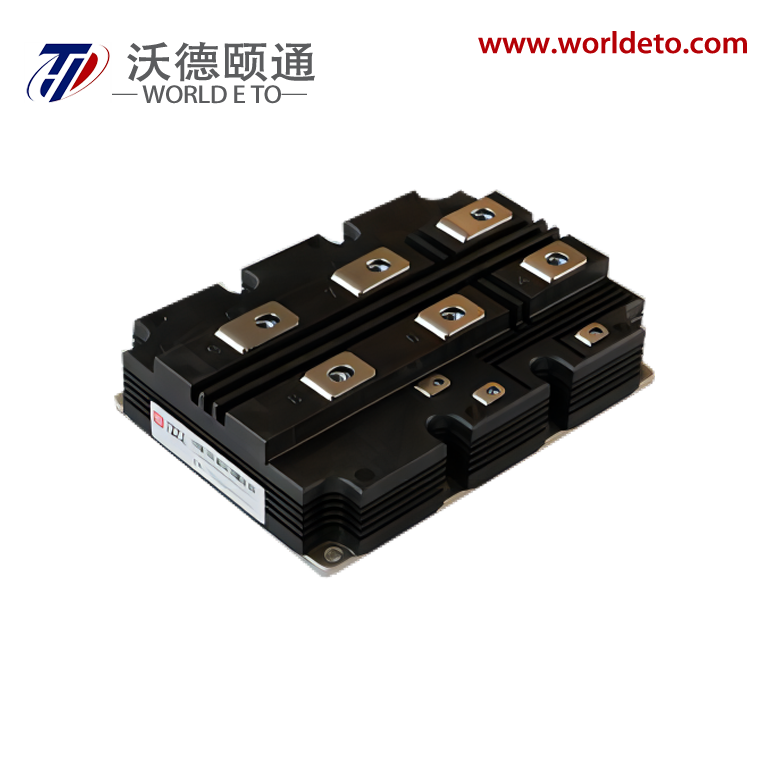
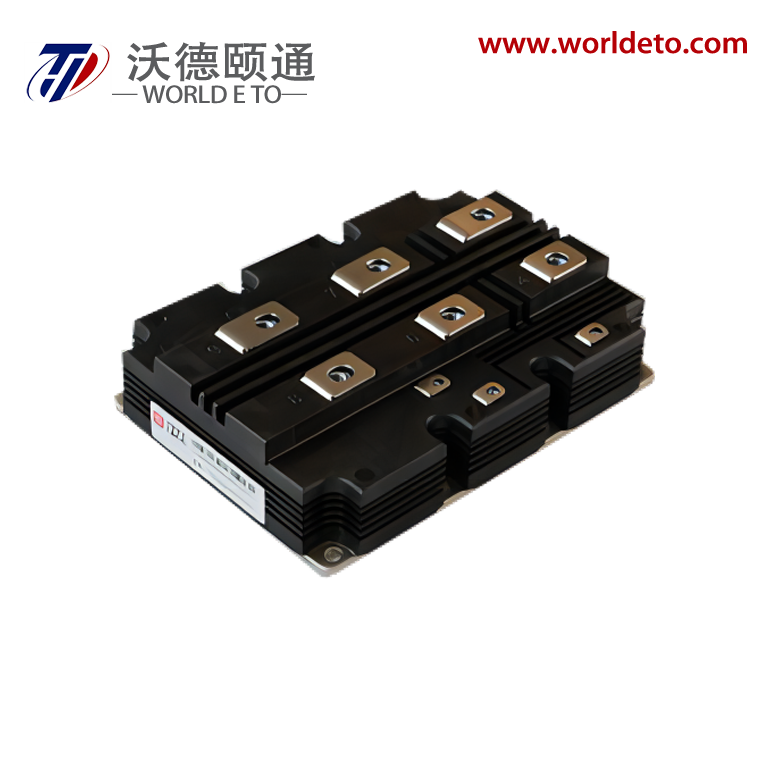
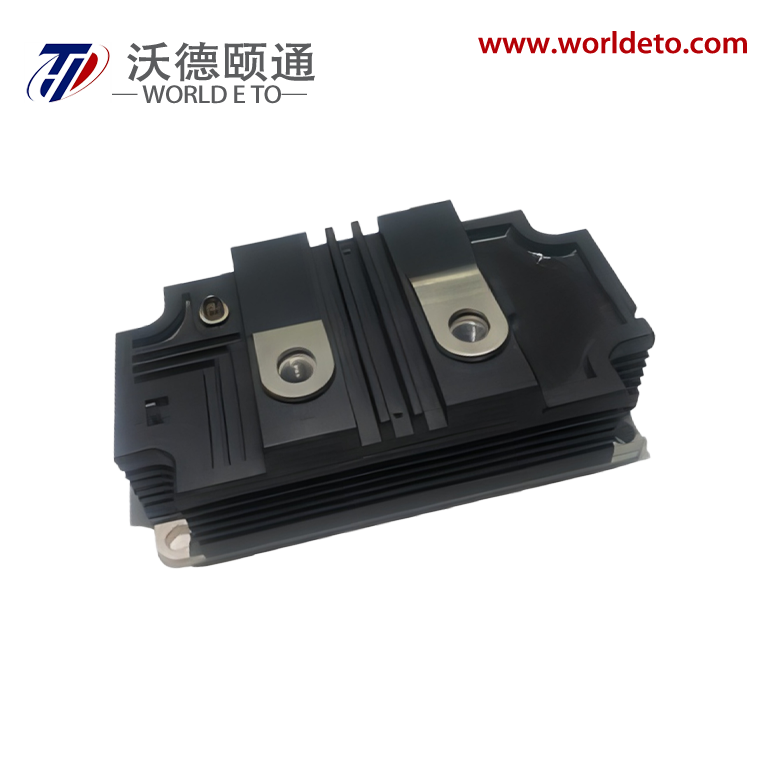
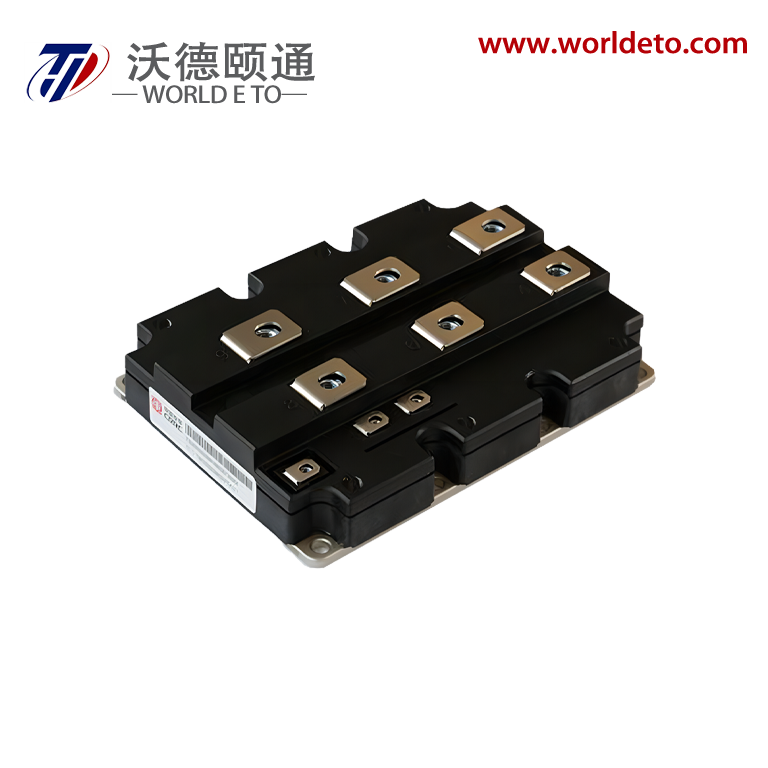
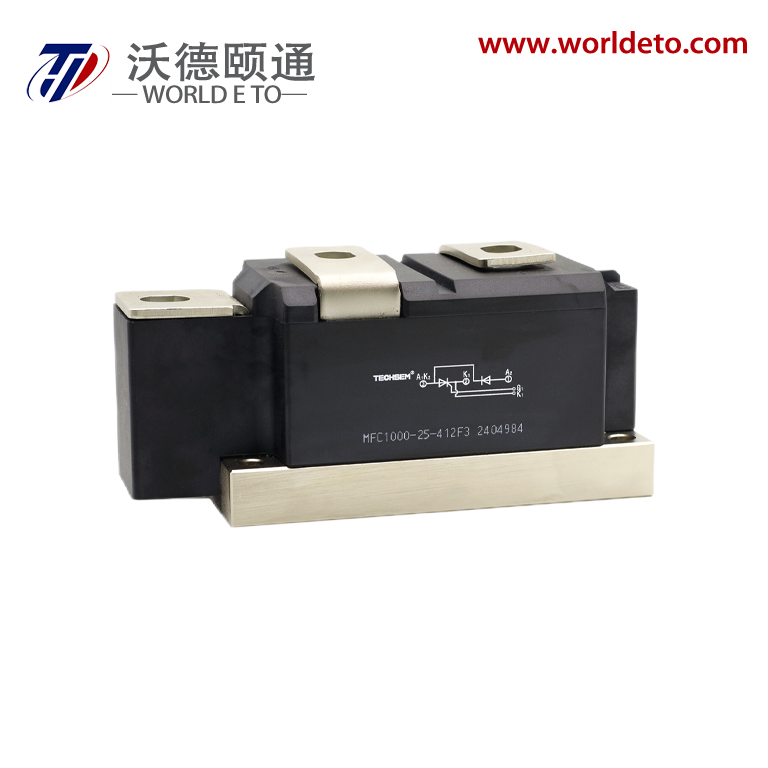
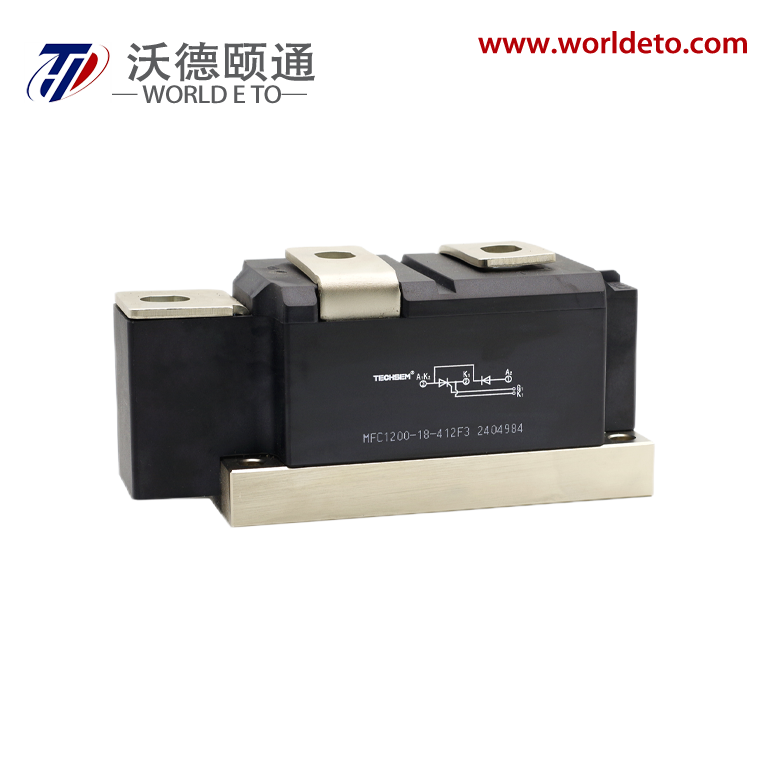
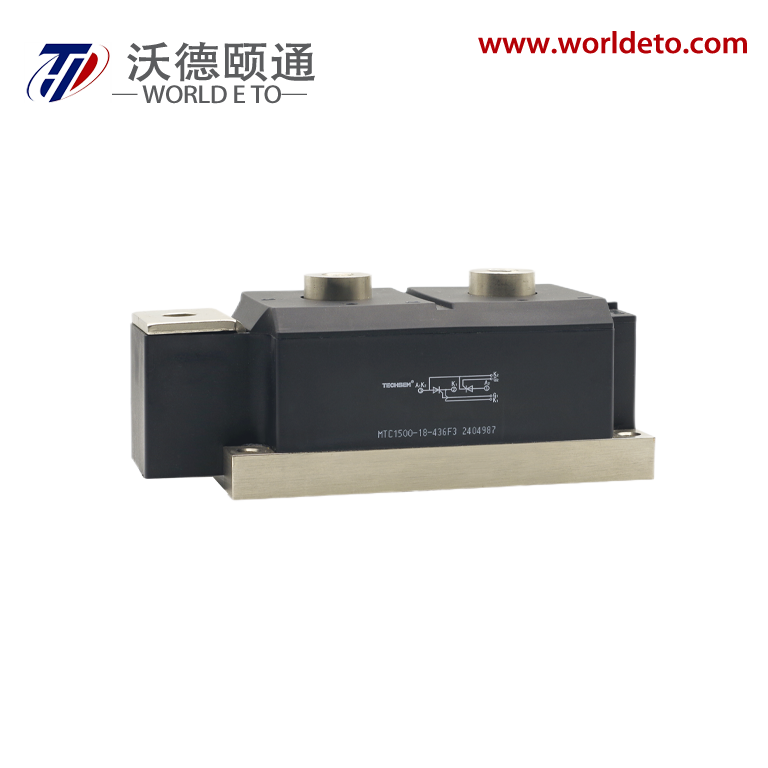
transistor inverter
Transistor penyebal merupakan blok pembinaan asas dalam elektronik kuasa moden dan aplikasi pensuisan digital. Peranti semikonduktor khusus ini berfungsi sebagai asas untuk menukar tenaga elektrik arus terus (DC) kepada arus ulang-alik (AC) melalui operasi pensuisan yang canggih. Transistor penyebal beroperasi dengan cara beralih secara pantas antara keadaan 'hidup' dan 'mati', menghasilkan bentuk gelombang yang diperlukan untuk menghasilkan output AC daripada sumber input DC. Peranti ini menggabungkan bahan semikonduktor canggih dan kejuruteraan tepat bagi memberikan prestasi yang boleh dipercayai dalam pelbagai keadaan operasi. Fungsi utama transistor penyebal adalah mengawal aliran arus elektrik melalui mekanisme kawalan gerbang yang strategik. Apabila isyarat voltan mengaktifkan terminal gerbang, transistor beralih ke keadaan konduktif, membenarkan arus mengalir melalui peranti tersebut. Sebaliknya, apabila isyarat gerbang dialihkan, transistor beralih ke keadaan tidak konduktif, menyekat aliran arus. Keupayaan pensuisan asas ini membolehkan penciptaan bentuk gelombang kompleks yang diperlukan untuk penjanaan kuasa AC. Transistor penyebal moden menggabungkan ciri-ciri teknologi canggih yang meningkatkan keupayaan operasinya. Antaranya termasuk sistem pengurusan haba yang dipertingkat untuk membuang haba secara efektif semasa operasi berkuasa tinggi. Teknologi pembungkusan canggih melindungi simpang semikonduktor daripada faktor persekitaran sambil mengekalkan prestasi elektrik yang optimum. Peranti ini mempunyai ciri rintangan rendah semasa keadaan 'hidup' yang meminimumkan kehilangan kuasa semasa fasa konduksi. Kelajuan pensuisan yang tinggi membolehkan operasi frekuensi tinggi yang penting bagi sistem penukaran kuasa moden. Transistor penyebal semasa menggunakan bahan seperti silikon karbida dan galium nitrida yang menawarkan sifat elektrik yang lebih unggul berbanding rekabentuk silikon tradisional. Semikonduktor jalur lebar ini memberikan kecekapan yang lebih tinggi, pengurangan kehilangan pensuisan, dan prestasi haba yang lebih baik. Peranti ini juga dilengkapi ciri perlindungan pintar yang mencegah kerosakan akibat keadaan arus berlebihan, suhu berlebihan, dan lonjakan voltan. Aplikasi transistor penyebal merentasi banyak industri dan sektor teknologi. Sistem kuasa suria bergantung pada peranti ini untuk menukar tenaga DC daripada panel fotovoltaik kepada elektrik AC yang sesuai dengan grid elektrik. Stesen pengecasan kenderaan elektrik menggunakan transistor penyebal untuk menguruskan penukaran kuasa antara pelbagai aras voltan dan jenis arus. Pemacu motor industri menggabungkan komponen ini untuk mengawal kelajuan dan tork dalam peralatan pembuatan. Elektronik pengguna menggunakan versi berskala kecil bagi pengurusan kuasa dalam komputer riba, telefon pintar, dan peralatan rumah tangga.

 EN
EN