Three Phase Half Wave Rectifier: Complete Guide to Efficient Power Conversion Solutions

All Categories
Get a Quote

Get a Free Quote

Our representative will contact you soon.
Email
Name
Company Name
Message
0/1000

three phase half wave rectifier

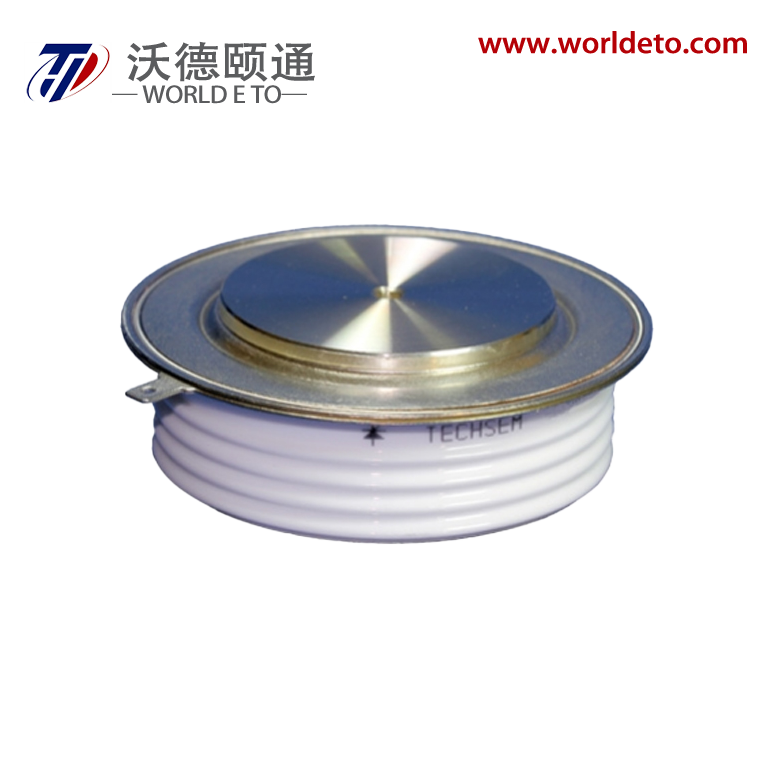
The three phase half wave rectifier represents a fundamental power conversion device that transforms alternating current (AC) into direct current (DC) using three separate phases of electrical input. This rectification system operates by utilizing three diodes, each connected to one phase of a three-phase AC supply, creating a more efficient conversion process compared to single-phase alternatives. The three phase half wave rectifier functions by allowing current to flow through each diode during the positive half-cycle of its respective phase, while blocking current during negative half-cycles. This selective conduction creates a pulsating DC output that maintains better voltage regulation and reduces ripple content significantly. The technological architecture of the three phase half wave rectifier incorporates a transformer with three secondary windings, each phase-shifted by 120 degrees from the others. This configuration ensures continuous power delivery with minimal interruption, as at least one phase remains active at any given moment. The rectifier system includes filtering components such as capacitors and inductors that smooth the output waveform, reducing voltage fluctuations and improving power quality. Modern three phase half wave rectifier designs often integrate protection circuits including surge suppressors, thermal monitoring, and overcurrent protection to ensure reliable operation under varying load conditions. The output characteristics of this rectification method produce a ripple frequency three times higher than the input frequency, making filtering more effective and requiring smaller reactive components. Industrial applications commonly employ the three phase half wave rectifier in motor drives, battery charging systems, electroplating operations, and variable speed control systems where stable DC power is essential for optimal performance and efficiency.

New Product Recommendations

The three phase half wave rectifier offers numerous practical benefits that make it an ideal choice for various industrial and commercial applications. First, this rectification system delivers superior efficiency compared to single-phase alternatives, converting AC power to DC with minimal energy loss. The three-phase configuration ensures continuous power flow, eliminating the complete power interruption periods that occur in single-phase systems. This continuous operation translates to better equipment performance and reduced stress on connected loads. The three phase half wave rectifier produces significantly lower ripple content in the output voltage, which means cleaner DC power with fewer fluctuations. This improved power quality reduces the need for extensive filtering circuits, lowering overall system costs and complexity. The reduced ripple also extends the lifespan of connected equipment by minimizing voltage stress and electrical noise. Another major advantage lies in the balanced loading characteristics of the three phase half wave rectifier. Unlike single-phase systems that create uneven loading on the electrical supply, three-phase rectification distributes the load evenly across all phases, improving power factor and reducing strain on the electrical infrastructure. This balanced operation helps prevent voltage distortions and reduces interference with other equipment connected to the same supply. The three phase half wave rectifier also offers excellent voltage regulation capabilities, maintaining stable output voltages even when input conditions vary or load demands fluctuate. This stability is crucial for sensitive electronic equipment and precision manufacturing processes. From an economic perspective, the three phase half wave rectifier provides cost-effective power conversion with lower maintenance requirements compared to more complex rectification systems. The simpler circuit topology means fewer components that can fail, resulting in higher reliability and reduced downtime. Installation is typically straightforward, requiring standard electrical connections and minimal specialized components. The system also demonstrates excellent scalability, allowing easy expansion or modification to meet changing power requirements. Additionally, the three phase half wave rectifier generates less electromagnetic interference compared to switching-mode alternatives, making it suitable for environments where electrical noise must be minimized.

Tips And Tricks

How to Choose a Precision DAC: A Guide to Critical Specs and Top Domestic Models

24

Nov

How to Choose a Precision DAC: A Guide to Critical Specs and Top Domestic Models

In today's rapidly evolving electronics landscape, selecting the right precision DAC has become increasingly critical for engineers developing high-performance systems. A precision DAC serves as the crucial bridge between digital control systems and ...
View More
Accuracy, Drift, and Noise: The Key Specifications of Precision Voltage References

24

Nov

Accuracy, Drift, and Noise: The Key Specifications of Precision Voltage References

In the world of electronic circuit design and measurement systems, precision voltage references serve as the cornerstone for achieving accurate and reliable performance. These critical components provide stable reference voltages that enable precise ...
View More
High-Speed vs. High-Precision: How to Select the Ideal ADC for Your Signal Chain

03

Feb

High-Speed vs. High-Precision: How to Select the Ideal ADC for Your Signal Chain

Analog-to-digital converters represent one of the most critical components in modern electronic systems, bridging the gap between the analog world and digital processing capabilities. The process of ADC selection requires careful consideration of mul...
View More
High-Performance Instrumentation Amplifiers: Minimizing Noise in Low-Level Signal Gain

03

Feb

High-Performance Instrumentation Amplifiers: Minimizing Noise in Low-Level Signal Gain

Modern industrial applications demand exceptional precision when handling low-level signals, making instrumentation amplifiers a cornerstone technology in measurement and control systems. These specialized amplifiers provide high gain while maintaini...
View More

Get a Free Quote

Our representative will contact you soon.
Email
Name
Company Name
Message
0/1000

three phase half wave rectifier

Enhanced Power Quality and Ripple Reduction

Enhanced Power Quality and Ripple Reduction

The three phase half wave rectifier excels in delivering superior power quality through its innovative ripple reduction capabilities, making it an indispensable solution for applications requiring clean, stable DC power. Unlike single-phase rectification systems that produce significant voltage variations and interruptions, the three phase half wave rectifier maintains continuous power delivery through its multi-phase operation. Each of the three phases operates with a 120-degree phase shift, ensuring that when one phase reaches its minimum voltage point, another phase compensates by providing peak power output. This overlapping operation creates a much smoother DC output with dramatically reduced ripple content, typically achieving ripple factors below 18 percent compared to over 48 percent in single-phase systems. The improved power quality directly translates to better performance for connected equipment, reducing wear and tear on motors, extending battery life in charging applications, and minimizing electrical stress on sensitive components. The three phase half wave rectifier achieves this superior performance while requiring fewer and smaller filtering components, as the higher ripple frequency makes capacitive and inductive filtering more effective. This reduction in filter requirements not only decreases initial system costs but also reduces physical size and weight of the complete rectification system. For industries such as electroplating, where consistent current delivery is critical for uniform coating quality, the three phase half wave rectifier provides the stable power necessary for optimal results. Similarly, in variable frequency drive applications, the clean DC power from this rectification system enables more precise motor control and improved energy efficiency. The reduced ripple content also minimizes audible noise in transformers and reactors, creating quieter operating environments. Furthermore, the smoother DC output reduces electromagnetic interference, making the three phase half wave rectifier suitable for installations near sensitive communication equipment or precision measurement instruments.
Balanced Load Distribution and System Efficiency

Balanced Load Distribution and System Efficiency

The three phase half wave rectifier demonstrates exceptional system efficiency through its inherent balanced load distribution characteristics, providing significant operational and economic benefits for industrial power systems. This balanced operation stems from the rectifier's ability to draw current equally from all three phases of the electrical supply, preventing the uneven loading that commonly occurs with single-phase rectification systems. When electrical loads are properly balanced across all phases, the neutral current approaches zero, eliminating unnecessary power losses and reducing heating in neutral conductors. This balanced loading significantly improves the overall power factor of the installation, often achieving power factors above 0.95, which translates to reduced electricity costs and improved compliance with utility power quality requirements. The three phase half wave rectifier inherently provides this balanced operation without requiring additional power factor correction equipment, offering immediate cost savings and simplified system design. The efficiency benefits extend beyond simple power factor improvement, as balanced loading reduces voltage distortions and harmonic content in the electrical supply. This cleaner electrical environment benefits all connected equipment, reducing maintenance costs and extending equipment lifespan throughout the facility. The three phase half wave rectifier also enables more effective utilization of transformer capacity, as balanced loading allows transformers to operate at their full rated capacity without overheating or derating. This improved transformer utilization can defer expensive electrical infrastructure upgrades and reduce capital expenditure requirements. In terms of system reliability, the balanced loading characteristics of the three phase half wave rectifier reduce stress on electrical components, switches, and protective devices, leading to fewer failures and reduced maintenance downtime. The system also provides better voltage regulation across all phases, ensuring consistent performance for all connected loads regardless of their phase connection. For facilities with multiple rectification systems, the balanced loading prevents interaction between different rectifiers, avoiding circulating currents and interference that can reduce efficiency and cause equipment damage.
Simplified Installation and Maintenance Benefits

Simplified Installation and Maintenance Benefits

The three phase half wave rectifier offers outstanding installation simplicity and maintenance advantages that significantly reduce total cost of ownership while ensuring reliable long-term operation. The straightforward circuit topology requires only three diodes and basic filtering components, eliminating the complexity associated with more advanced rectification schemes while maintaining excellent performance characteristics. This simplicity translates to faster installation times, as technicians can quickly understand and implement the system without extensive specialized training or complex configuration procedures. The three phase half wave rectifier typically connects directly to standard three-phase electrical supplies without requiring special transformers or complex control circuits, making it compatible with existing electrical infrastructure in most industrial facilities. Installation costs are further reduced by the system's minimal space requirements, as the compact design allows mounting in standard electrical enclosures without extensive modification or additional cooling systems. The robust nature of diode-based rectification means the three phase half wave rectifier operates reliably in harsh industrial environments, withstanding temperature variations, electrical disturbances, and mechanical vibrations that might affect more sensitive electronic systems. From a maintenance perspective, the three phase half wave rectifier requires minimal routine servicing, primarily consisting of periodic inspection of connections and replacement of filtering components at predictable intervals. The absence of moving parts or complex control electronics eliminates many common failure modes, while the inherent overload tolerance of silicon diodes provides protection against transient electrical disturbances. When maintenance is required, the modular design of most three phase half wave rectifier systems allows individual component replacement without system shutdown, minimizing production interruptions. The long service life of quality diodes, often exceeding 20 years under normal operating conditions, ensures excellent return on investment and predictable maintenance scheduling. Troubleshooting is straightforward due to the simple circuit configuration, enabling maintenance personnel to quickly identify and resolve issues using standard electrical testing equipment. The three phase half wave rectifier also provides excellent compatibility with modern monitoring systems, allowing integration with facility management systems for remote monitoring and predictive maintenance scheduling, further reducing operational costs and improving system reliability.

Get a Free Quote

Our representative will contact you soon.
Email
Name
Company Name
Message
0/1000