Low Loss Rectifier Technology: Ultra-Efficient Power Conversion Solutions for Industrial Applications

All Categories
Get a Quote

Get a Free Quote

Our representative will contact you soon.
Email
Name
Company Name
Message
0/1000

low loss rectifier

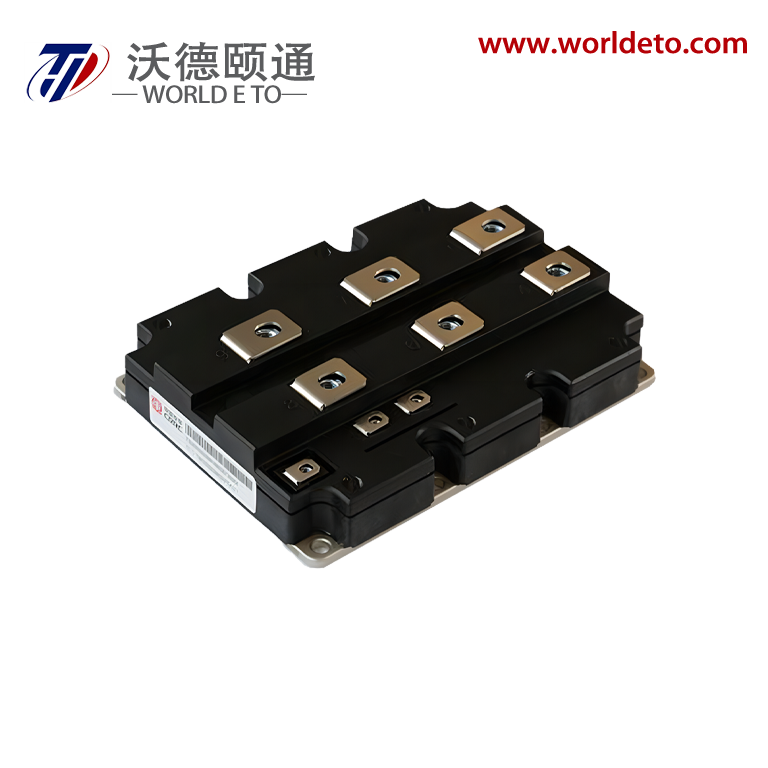
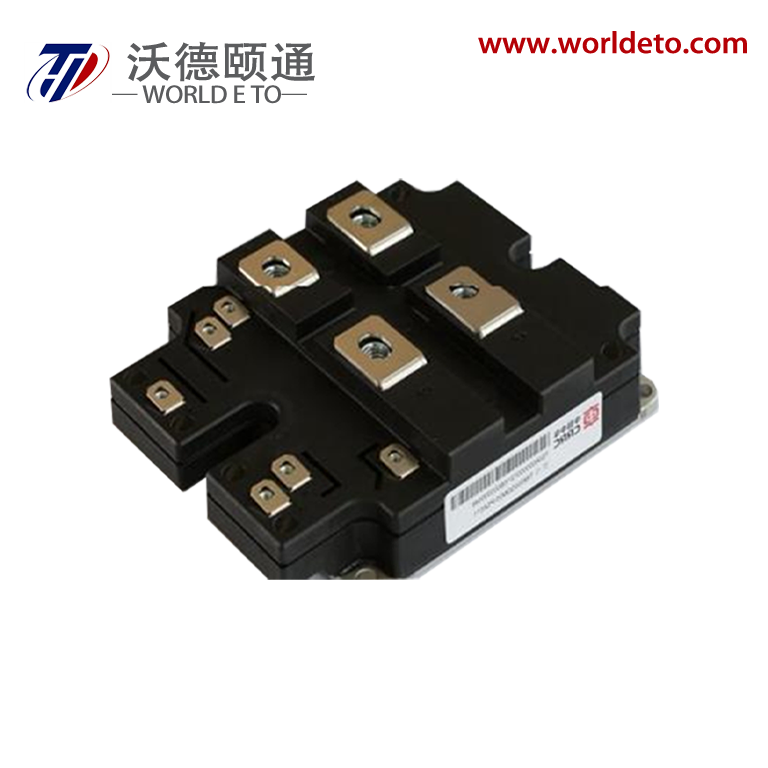
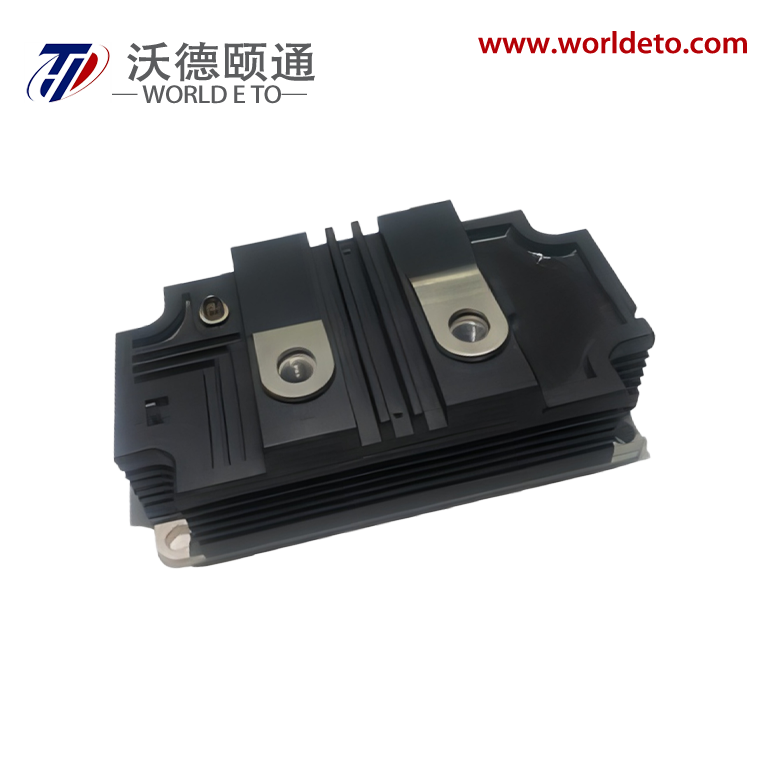
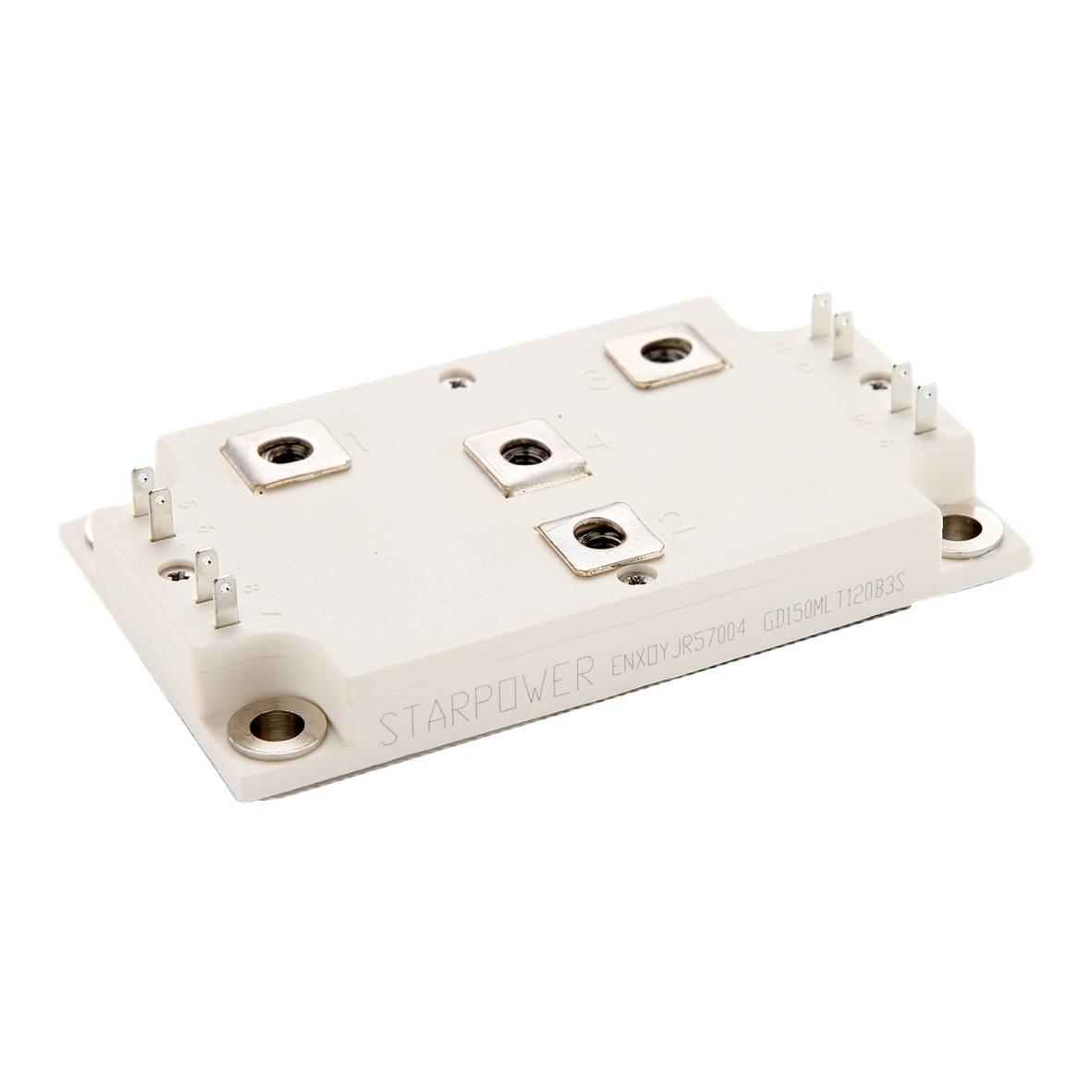
A low loss rectifier represents a cutting-edge electronic component designed to convert alternating current (AC) to direct current (DC) with minimal energy waste. This advanced semiconductor device operates by allowing current to flow in only one direction while significantly reducing power dissipation during the conversion process. The low loss rectifier achieves superior performance through innovative silicon carbide or gallium nitride technologies, which offer exceptional switching characteristics and reduced forward voltage drop compared to traditional silicon-based rectifiers. The main function of a low loss rectifier centers on efficient power conversion while maintaining signal integrity and minimizing heat generation. These devices feature ultra-fast recovery times, typically measured in nanoseconds, enabling them to handle high-frequency switching applications effectively. The technological backbone includes advanced doping techniques and optimized junction designs that reduce both conduction and switching losses. Modern low loss rectifier units incorporate sophisticated thermal management systems and robust packaging to ensure reliable operation under demanding conditions. Applications span across diverse industries including renewable energy systems, electric vehicle charging infrastructure, industrial motor drives, telecommunications equipment, and high-efficiency power supplies. In solar inverters, the low loss rectifier plays a crucial role in maximizing energy harvest by minimizing conversion losses. Data centers rely on these components to improve overall system efficiency and reduce cooling requirements. The automotive sector utilizes low loss rectifier technology in electric and hybrid vehicles to extend battery life and enhance performance. Medical equipment manufacturers depend on these precision components for stable, clean power delivery in critical applications. Industrial automation systems benefit from the improved reliability and reduced maintenance requirements offered by low loss rectifier implementations.

New Product Releases

The primary advantage of implementing a low loss rectifier lies in its exceptional energy efficiency, which directly translates to reduced operational costs and environmental impact. Traditional rectifiers typically exhibit efficiency rates between 85-90 percent, while a well-designed low loss rectifier achieves efficiency levels exceeding 98 percent under optimal conditions. This improvement means businesses can save thousands of dollars annually on electricity bills, particularly in high-power applications. The enhanced efficiency also reduces heat generation, which eliminates the need for extensive cooling systems and further decreases energy consumption. Another significant benefit involves the compact design possibilities enabled by low loss rectifier technology. The reduced heat dissipation allows engineers to create smaller, lighter systems without compromising performance or reliability. This space-saving advantage proves invaluable in applications where size constraints are critical, such as portable electronics, automotive systems, and aerospace equipment. The improved power density enables manufacturers to develop more competitive products while meeting stringent space requirements. Reliability represents another cornerstone advantage of the low loss rectifier. The lower operating temperatures and reduced thermal stress extend component lifespan significantly, often doubling or tripling the expected service life compared to conventional alternatives. This enhanced durability translates to reduced maintenance costs, fewer system failures, and improved uptime for critical applications. Businesses experience fewer unexpected shutdowns and can schedule maintenance more predictably, leading to better resource allocation and planning. The low loss rectifier also delivers superior electromagnetic interference (EMI) performance due to its fast switching characteristics and optimized design. This clean operation reduces the need for additional filtering components, simplifying circuit design and reducing overall system costs. The improved EMI performance ensures better compatibility with sensitive electronic equipment and helps manufacturers meet strict regulatory compliance requirements more easily. Additionally, the wide operating temperature range and excellent thermal characteristics of the low loss rectifier make it suitable for harsh environmental conditions, expanding its application potential across various industries and geographical locations.

Practical Tips

Is Your ADC/DAC Underperforming? The Culprit Could Be Your Voltage Reference

24

Nov

Is Your ADC/DAC Underperforming? The Culprit Could Be Your Voltage Reference

In the realm of precision analog-to-digital and digital-to-analog conversion, engineers often focus on the specifications of the ADC or DAC itself while overlooking a critical component that can make or break system performance. The voltage reference...
View More
High-Speed vs. High-Precision: How to Select the Ideal ADC for Your Signal Chain

03

Feb

High-Speed vs. High-Precision: How to Select the Ideal ADC for Your Signal Chain

Analog-to-digital converters represent one of the most critical components in modern electronic systems, bridging the gap between the analog world and digital processing capabilities. The process of ADC selection requires careful consideration of mul...
View More
The Best Domestic Alternatives for High-Performance ADC and DAC Chips in 2026

03

Feb

The Best Domestic Alternatives for High-Performance ADC and DAC Chips in 2026

The semiconductor industry is experiencing unprecedented demand for high-performance analog-to-digital converter and digital-to-analog converter solutions, driving engineers and procurement teams to seek reliable domestic alternatives for ADC and DAC...
View More
Breaking Speed Barriers: The Future of High-Speed ADCs in Modern Communication

03

Feb

Breaking Speed Barriers: The Future of High-Speed ADCs in Modern Communication

The telecommunications industry continues to push the boundaries of data transmission speeds, driving unprecedented demand for advanced analog-to-digital conversion technologies. High-speed ADCs have emerged as the cornerstone of modern communication...
View More

Get a Free Quote

Our representative will contact you soon.
Email
Name
Company Name
Message
0/1000

low loss rectifier

Ultra-High Efficiency Performance

Ultra-High Efficiency Performance

The ultra-high efficiency performance of a low loss rectifier stands as its most compelling feature, delivering unprecedented energy conversion rates that revolutionize power system design. This remarkable efficiency stems from advanced semiconductor materials and innovative junction engineering that dramatically reduce both conduction and switching losses. While conventional rectifiers struggle with significant power dissipation, the low loss rectifier maintains efficiency levels above 98 percent across a wide range of operating conditions. This exceptional performance results from the utilization of wide bandgap semiconductors such as silicon carbide or gallium nitride, which exhibit superior electrical properties compared to traditional silicon. The reduced forward voltage drop, typically 40-60 percent lower than standard rectifiers, directly contributes to minimized conduction losses. Simultaneously, the ultra-fast recovery characteristics, often measured in single-digit nanoseconds, virtually eliminate switching losses during high-frequency operation. For industrial customers, this translates to substantial cost savings through reduced electricity consumption. A typical 100kW system incorporating low loss rectifier technology can save approximately $15,000-25,000 annually in energy costs compared to conventional alternatives. The cumulative savings over the component's extended lifespan often exceed the initial investment by a factor of three to five. Beyond direct cost benefits, the ultra-high efficiency enables system designers to explore new possibilities in compact, high-power applications. The reduced waste heat allows for smaller heat sinks, simplified cooling systems, and more aggressive power density targets. This efficiency advantage becomes increasingly valuable in battery-powered applications where every percentage point of improved efficiency directly translates to extended operational time. The environmental benefits are equally significant, as widespread adoption of low loss rectifier technology contributes to reduced carbon emissions and supports sustainability initiatives across multiple industries.
Advanced Thermal Management

Advanced Thermal Management

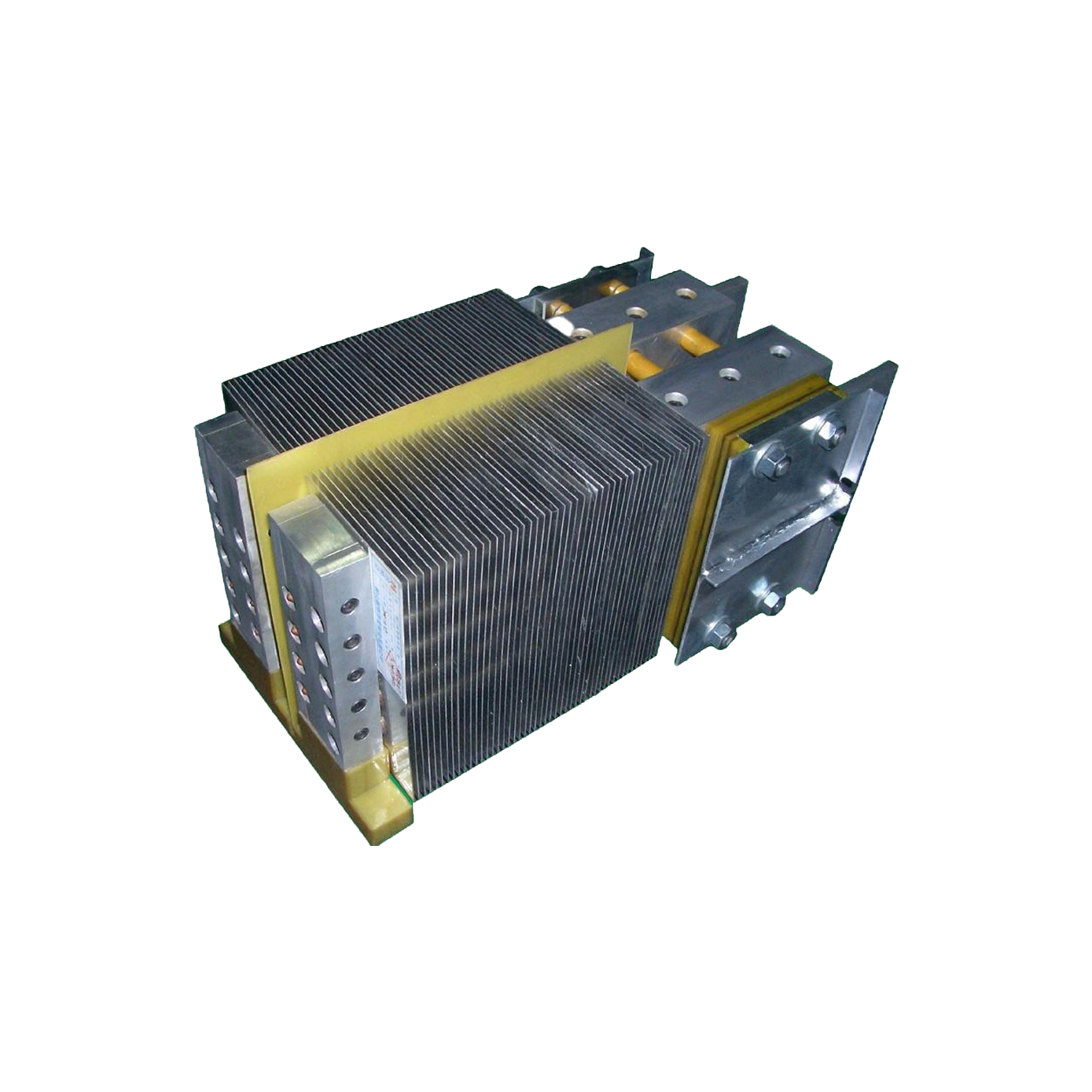
Advanced thermal management capabilities distinguish the low loss rectifier as a superior solution for demanding applications where temperature control is critical. The sophisticated thermal design incorporates multiple innovative features that work synergistically to maintain optimal operating temperatures while maximizing performance and reliability. The foundation of this thermal excellence lies in the inherently low power dissipation characteristics of the low loss rectifier, which generates significantly less waste heat compared to traditional alternatives. However, the thermal management extends far beyond simply producing less heat. The component features optimized thermal pathways engineered to efficiently conduct heat away from critical junctions toward heat dissipation surfaces. Advanced packaging technologies utilize high-conductivity materials and innovative bonding techniques to create superior thermal interfaces. These design elements ensure that even the minimal heat generated by the low loss rectifier is effectively managed and dissipated. The thermal management system includes integrated temperature monitoring capabilities that provide real-time feedback on operating conditions. This monitoring enables predictive maintenance strategies and helps prevent thermal-related failures before they occur. The robust thermal design allows the low loss rectifier to operate reliably across extended temperature ranges, typically from -55°C to +175°C, making it suitable for extreme environmental conditions. For customers operating in harsh industrial environments, mining operations, or outdoor installations, this thermal resilience translates to reduced maintenance requirements and improved system uptime. The advanced thermal management also enables higher power density designs, allowing engineers to pack more functionality into smaller spaces without thermal constraints. This capability proves particularly valuable in applications such as electric vehicle chargers, renewable energy inverters, and high-performance computing systems where space efficiency is paramount. The extended operational temperature range and superior thermal stability contribute to significantly longer component lifespans, often exceeding 100,000 hours of continuous operation under rated conditions.
Versatile Application Integration

Versatile Application Integration

The versatile application integration capabilities of the low loss rectifier make it an ideal solution across diverse industries and specialized requirements. This adaptability stems from the component's flexible design architecture, comprehensive performance specifications, and robust construction that accommodates various installation environments and operating conditions. The low loss rectifier seamlessly integrates into existing power conversion systems while providing immediate performance improvements without requiring extensive system modifications. This compatibility advantage enables customers to upgrade their systems incrementally, reducing implementation costs and minimizing operational disruptions. The component's standardized form factors and industry-standard pinouts ensure drop-in replacement capability for many traditional rectifier applications. Beyond simple replacement scenarios, the low loss rectifier's superior specifications enable entirely new application possibilities that were previously impractical due to efficiency or thermal limitations. In renewable energy systems, the low loss rectifier enhances power harvesting efficiency in solar inverters and wind turbine converters, maximizing energy capture and improving return on investment. The component's fast response characteristics make it particularly well-suited for grid-tie applications where rapid power factor correction and harmonic mitigation are essential. Industrial automation benefits significantly from the low loss rectifier's reliability and precision performance in motor drive applications, variable frequency drives, and power factor correction systems. The component's ability to handle high-frequency switching while maintaining low losses enables more responsive control systems and improved motor efficiency. Telecommunications infrastructure relies on the low loss rectifier for critical power supply applications where efficiency, reliability, and compact size are paramount. The component's excellent EMI performance and wide operating temperature range make it ideal for outdoor base station equipment and remote installations. Electric vehicle charging stations utilize low loss rectifier technology to maximize charging efficiency and minimize infrastructure cooling requirements. The component's high power density capabilities enable faster charging rates while maintaining compact station designs. Medical equipment manufacturers value the low loss rectifier's precision performance and low noise characteristics for sensitive diagnostic and therapeutic devices where power quality directly impacts patient safety and equipment accuracy.

Get a Free Quote

Our representative will contact you soon.
Email
Name
Company Name
Message
0/1000