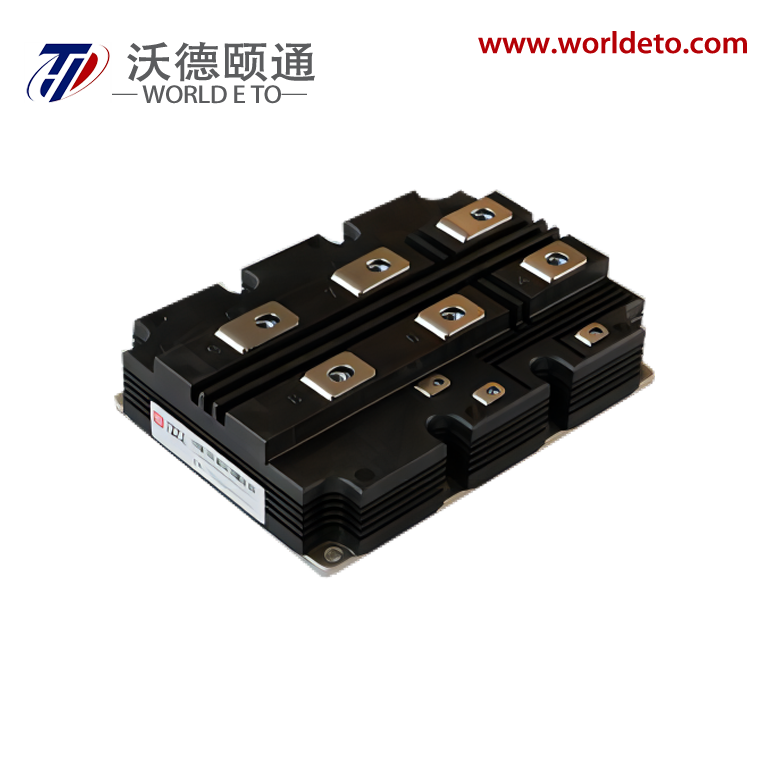
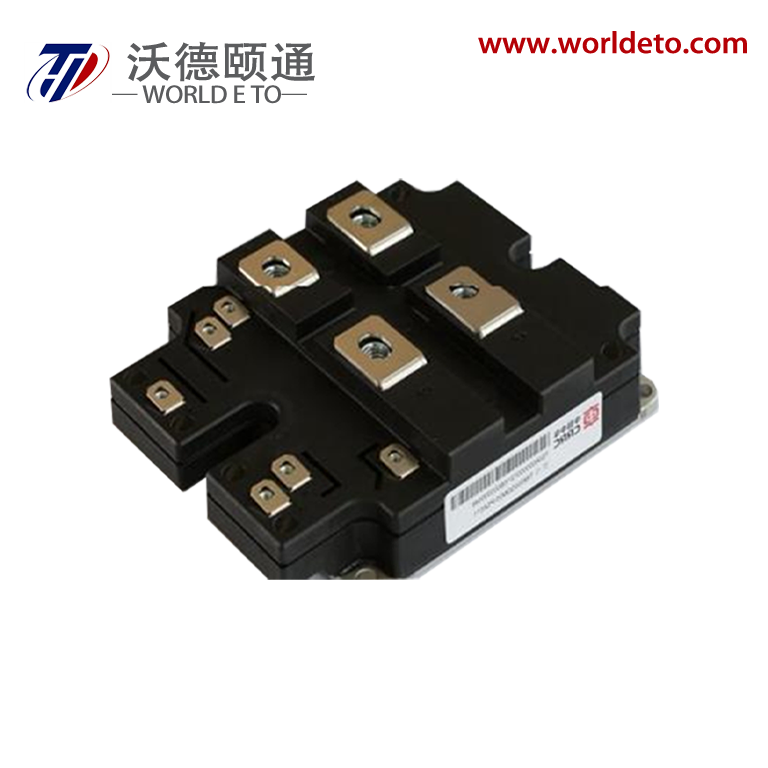
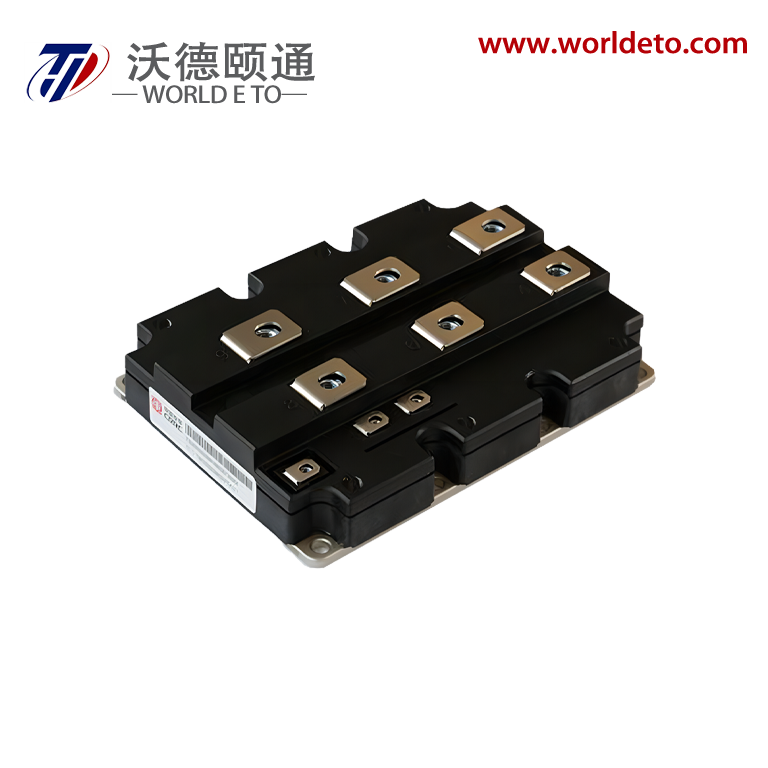
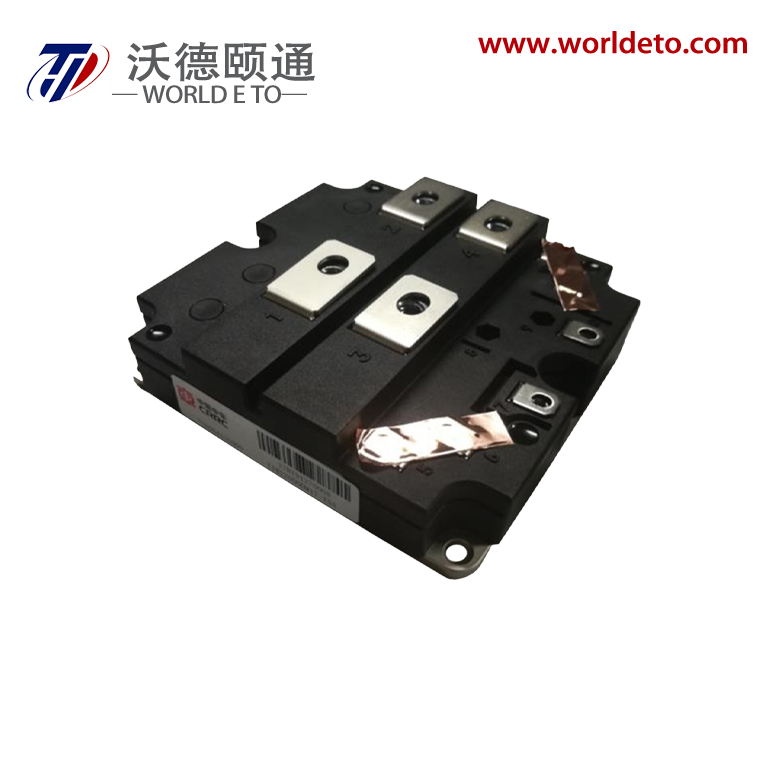
High-Performance Diode Wafers: Advanced Semiconductor Solutions for Electronic Applications

All Categories
Get a Quote

Get a Free Quote

Our representative will contact you soon.
Email
Name
Company Name
Message
0/1000

diode wafer

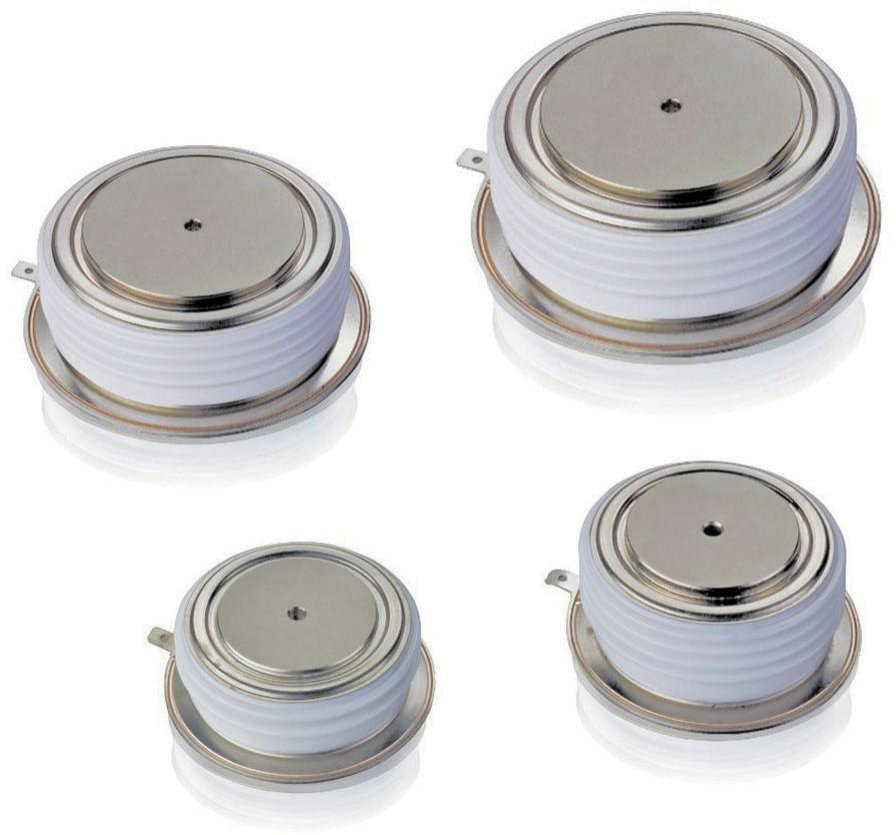
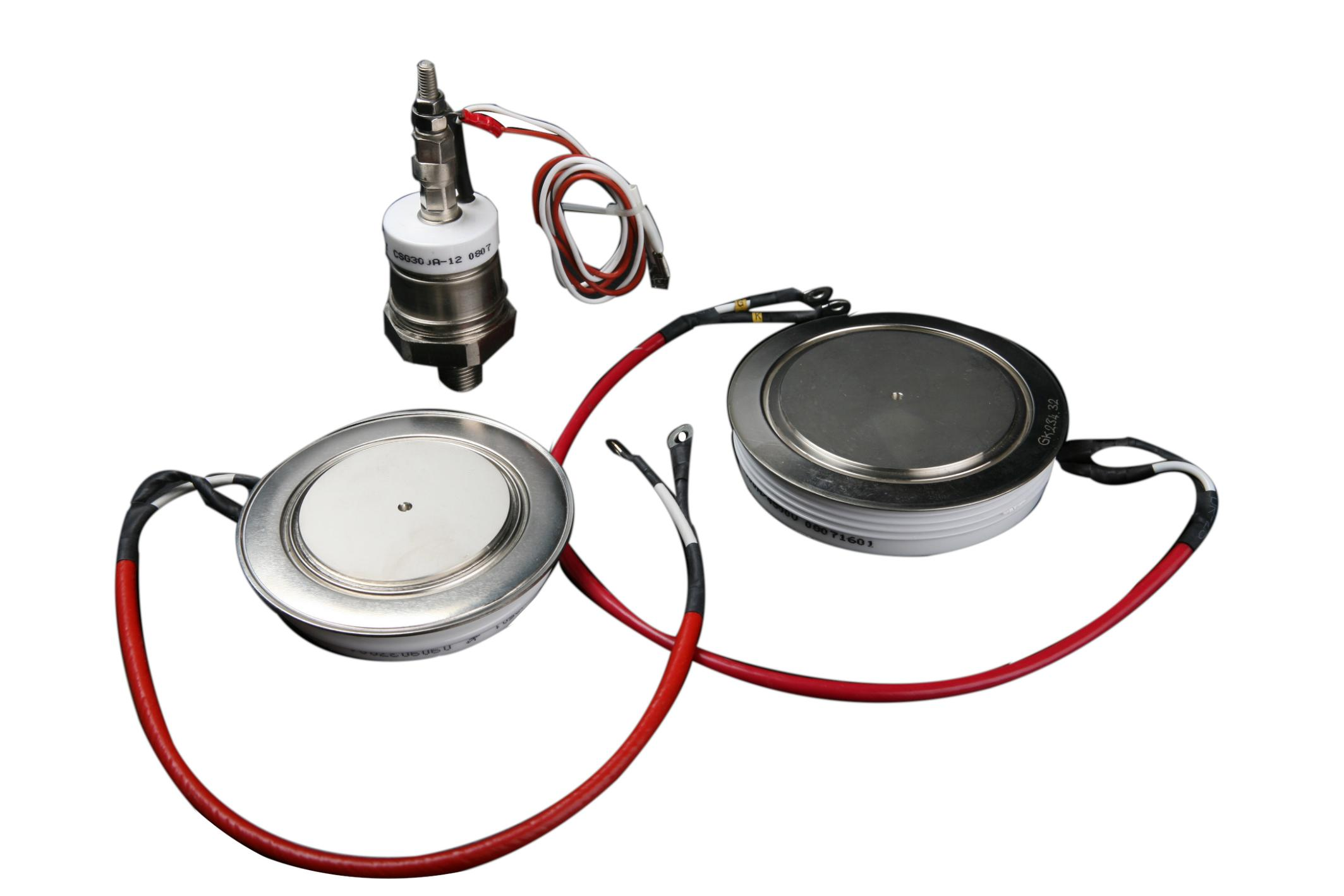
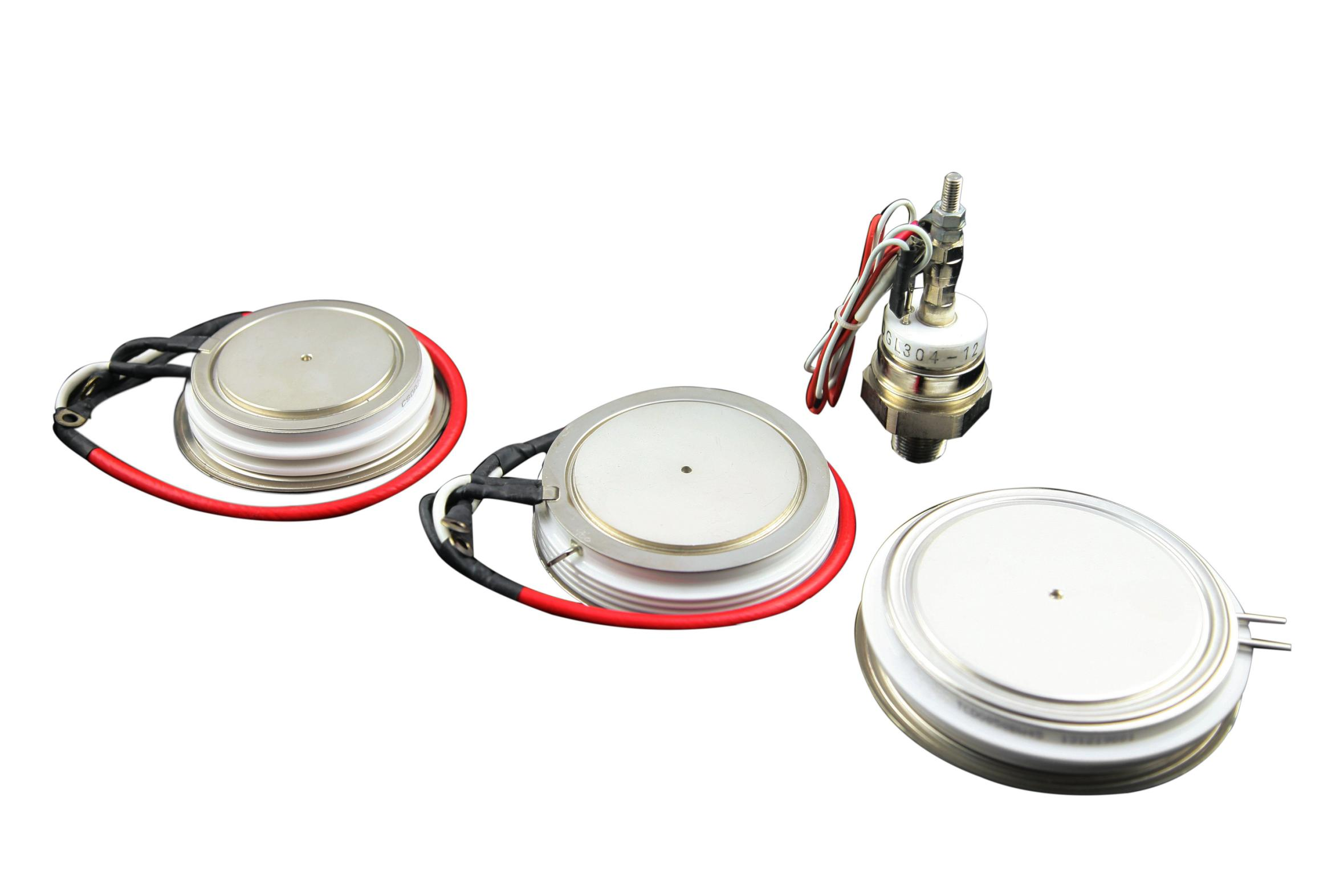
A diode wafer represents a fundamental semiconductor component that serves as the foundation for manufacturing electronic diodes used across countless applications in modern technology. This thin, circular disc of semiconductor material, typically made from silicon or gallium arsenide, undergoes precise fabrication processes to create the essential p-n junction that defines diode functionality. The diode wafer manufacturing process involves carefully controlled doping procedures where impurities are introduced into the pure semiconductor substrate to create regions with different electrical properties. The primary function of a diode wafer is to allow electrical current to flow in only one direction while blocking reverse current flow. This unidirectional conductivity makes diode wafers essential components in rectification circuits, voltage regulation systems, and signal processing applications. The technological features of diode wafers include their crystalline structure, which provides excellent electrical properties and thermal stability. Modern diode wafer production utilizes advanced lithography techniques and ion implantation methods to achieve precise doping profiles and junction characteristics. The wafer surface undergoes multiple processing steps including cleaning, oxidation, photolithography, etching, and metallization to create the final device structure. Quality control measures ensure consistent electrical parameters across the entire wafer surface. Applications for diode wafers span numerous industries including consumer electronics, automotive systems, telecommunications equipment, power conversion devices, and renewable energy systems. In power electronics, diode wafers enable efficient AC-to-DC conversion in power supplies and battery chargers. The telecommunications industry relies on diode wafers for signal processing and frequency mixing applications. Solar panel systems utilize diode wafers to prevent reverse current flow and optimize energy harvesting efficiency. The automotive sector incorporates diode wafers in alternators, LED lighting systems, and electronic control units.

New Product Releases

Diode wafers deliver exceptional reliability that significantly reduces maintenance costs and system downtime for businesses across various industries. The robust semiconductor structure withstands extreme temperature variations, voltage fluctuations, and mechanical stress better than alternative solutions. This durability translates directly into longer equipment lifespan and reduced replacement frequency, providing substantial cost savings over time. Companies can operate their systems with confidence knowing that diode wafer components will maintain consistent performance under demanding conditions. The manufacturing precision of diode wafers ensures uniform electrical characteristics across large production batches, eliminating the quality variations that often plague inferior alternatives. This consistency means engineers can design circuits with predictable behavior, reducing development time and improving product reliability. The superior electrical efficiency of diode wafers minimizes power losses during operation, leading to lower energy consumption and reduced operational costs. Businesses benefit from decreased electricity bills and improved environmental sustainability metrics. The fast switching capabilities of diode wafers enable high-frequency applications that would be impossible with slower alternatives, opening up new technological possibilities and market opportunities. Modern diode wafer technology offers excellent thermal management properties that prevent overheating issues common in electronic systems. This thermal stability allows for more compact device designs and higher power density applications without compromising safety or performance. The versatility of diode wafer technology accommodates a wide range of voltage and current requirements, making it suitable for both low-power consumer devices and high-power industrial applications. This flexibility reduces inventory complexity for manufacturers who can use standardized diode wafer components across multiple product lines. The proven track record of diode wafer technology provides confidence in long-term availability and technical support, crucial factors for companies planning multi-year projects. The mature manufacturing infrastructure ensures stable pricing and reliable supply chains, protecting businesses from component shortages that could disrupt production schedules. Additionally, the widespread adoption of diode wafer technology means that technical expertise and replacement parts remain readily available, simplifying maintenance and repair procedures.

Tips And Tricks

Accuracy, Drift, and Noise: The Key Specifications of Precision Voltage References

24

Nov

Accuracy, Drift, and Noise: The Key Specifications of Precision Voltage References

In the world of electronic circuit design and measurement systems, precision voltage references serve as the cornerstone for achieving accurate and reliable performance. These critical components provide stable reference voltages that enable precise ...
View More
Low-Power, High-Precision: How Domestic Linear Regulators and Voltage References Enable Import Substitution

02

Feb

Low-Power, High-Precision: How Domestic Linear Regulators and Voltage References Enable Import Substitution

The global semiconductor supply chain disruptions of recent years have highlighted the critical importance of developing robust domestic manufacturing capabilities. As industries worldwide grapple with component shortages and geopolitical tensions, t...
View More
Domestic High-Precision Linear Regulators and Instrumentation Amplifiers: Low-Power Design for Replacing Imported Chips

02

Feb

Domestic High-Precision Linear Regulators and Instrumentation Amplifiers: Low-Power Design for Replacing Imported Chips

The semiconductor industry has witnessed a significant shift toward domestically manufactured components, particularly in the realm of precision analog circuits. Domestic high-precision linear regulators have emerged as crucial components for enginee...
View More
High-Performance Instrumentation Amplifiers: Minimizing Noise in Low-Level Signal Gain

03

Feb

High-Performance Instrumentation Amplifiers: Minimizing Noise in Low-Level Signal Gain

Modern industrial applications demand exceptional precision when handling low-level signals, making instrumentation amplifiers a cornerstone technology in measurement and control systems. These specialized amplifiers provide high gain while maintaini...
View More

Get a Free Quote

Our representative will contact you soon.
Email
Name
Company Name
Message
0/1000

diode wafer

Advanced Junction Engineering for Superior Performance

Advanced Junction Engineering for Superior Performance

The sophisticated junction engineering employed in modern diode wafer manufacturing represents a significant technological advancement that directly benefits end users through enhanced performance characteristics. This precision engineering process involves carefully controlling the depth, concentration, and profile of dopant materials within the semiconductor substrate to create optimized electrical properties. The resulting p-n junction exhibits exceptional forward voltage characteristics with minimal voltage drop, reducing power dissipation and improving overall system efficiency. Advanced junction engineering techniques enable manufacturers to tailor the electrical properties of diode wafers to meet specific application requirements, whether for high-speed switching applications or high-current rectification tasks. The controlled doping profiles create sharp junction boundaries that minimize leakage current and improve reverse voltage blocking capability. This engineering precision ensures that diode wafers can handle higher voltages without breakdown, expanding their applicability in power electronics and industrial systems. The thermal characteristics of engineered junctions provide excellent stability across wide temperature ranges, making these components suitable for automotive, aerospace, and harsh environment applications. The reduced junction resistance achieved through advanced engineering translates into lower heat generation during operation, enabling higher power density designs and more compact system configurations. Quality control measures during junction formation include sophisticated testing and characterization procedures that verify electrical parameters meet strict specifications. This attention to detail ensures consistent performance across production batches and long-term reliability in field applications. The investment in advanced junction engineering technology demonstrates the commitment to providing superior products that exceed customer expectations and industry standards.
Exceptional Thermal Stability and Heat Dissipation

Exceptional Thermal Stability and Heat Dissipation

The exceptional thermal stability and heat dissipation capabilities of diode wafers provide crucial advantages for demanding applications where temperature management is critical to system performance and longevity. The crystalline structure of the semiconductor material exhibits excellent thermal conductivity properties that efficiently transfer heat away from the active junction, preventing hotspot formation and thermal runaway conditions. This superior heat dissipation capability allows diode wafers to operate at higher current densities without compromising reliability or performance. The thermal stability characteristics ensure consistent electrical behavior across wide temperature ranges, from sub-zero conditions in outdoor applications to elevated temperatures in enclosed electronic systems. Advanced packaging technologies complement the inherent thermal properties of diode wafers by providing efficient heat transfer paths to external heat sinks or cooling systems. The low thermal resistance of properly designed diode wafer assemblies enables effective thermal management in high-power applications such as motor drives, welding equipment, and power conversion systems. Temperature coefficient specifications for diode wafers are carefully controlled to minimize performance variations with temperature changes, ensuring predictable system behavior across operating conditions. The thermal cycling capability of diode wafers allows them to withstand repeated heating and cooling cycles without degradation, making them ideal for applications with variable power demands. Thermal interface materials and mounting techniques are optimized to maximize heat transfer efficiency and minimize thermal stress on the semiconductor junction. The ability to operate reliably at elevated temperatures reduces the need for complex cooling systems, simplifying system design and reducing overall costs. Extended temperature range specifications enable diode wafers to function in extreme environments where conventional components would fail, expanding their application scope and market potential.
High-Speed Switching Performance and Signal Integrity

High-Speed Switching Performance and Signal Integrity

The high-speed switching performance and superior signal integrity characteristics of diode wafers enable advanced circuit designs that require precise timing control and minimal signal distortion. The fast switching capabilities result from optimized carrier mobility and reduced charge storage effects within the semiconductor structure, allowing rapid transitions between conducting and blocking states. This performance advantage is crucial for high-frequency applications such as RF circuits, switching power supplies, and digital communication systems where timing accuracy directly impacts system performance. The low junction capacitance of diode wafers minimizes loading effects on driving circuits and reduces signal delays in high-speed applications. Advanced manufacturing techniques create junction structures with minimal stored charge that can be quickly removed during switching transitions, enabling faster turn-off times and improved switching efficiency. The excellent signal integrity maintained by diode wafers prevents signal degradation and interference that could compromise system performance in sensitive applications. Low noise characteristics ensure clean switching transitions without generating electromagnetic interference that could affect nearby circuits or violate regulatory compliance requirements. The predictable switching behavior of diode wafers allows engineers to design circuits with precise timing margins and reliable operation across production variations. Temperature compensation techniques minimize switching parameter variations with temperature changes, maintaining consistent performance across operating conditions. The high-frequency response of diode wafers extends well beyond traditional rectification applications, enabling their use in mixer circuits, frequency multipliers, and other RF applications. Advanced modeling and characterization procedures provide accurate circuit simulation parameters that enable first-pass design success and reduce development time. The superior switching performance of diode wafers contributes to improved system efficiency by reducing switching losses and enabling higher operating frequencies in power conversion applications.

Get a Free Quote

Our representative will contact you soon.
Email
Name
Company Name
Message
0/1000