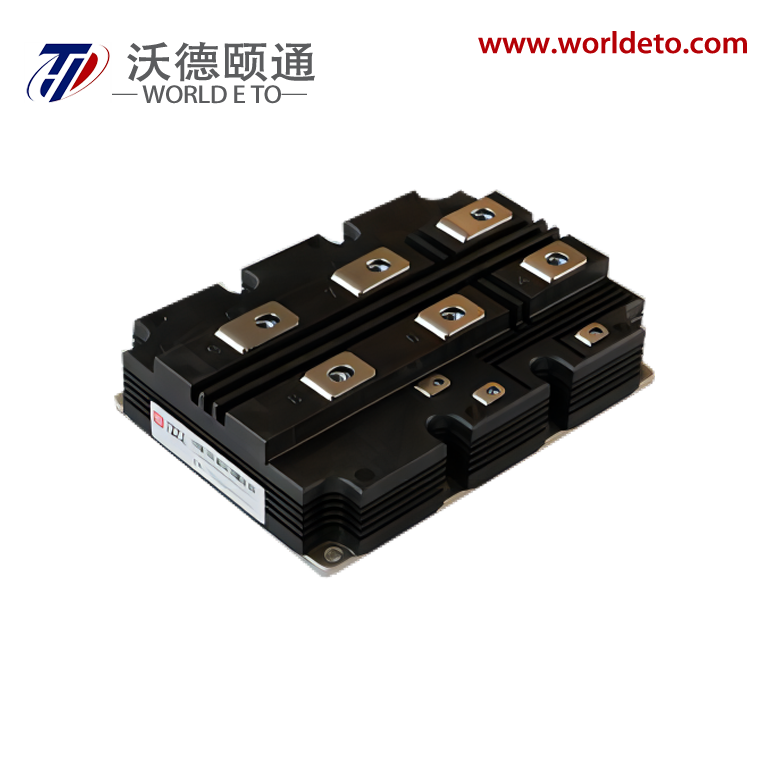
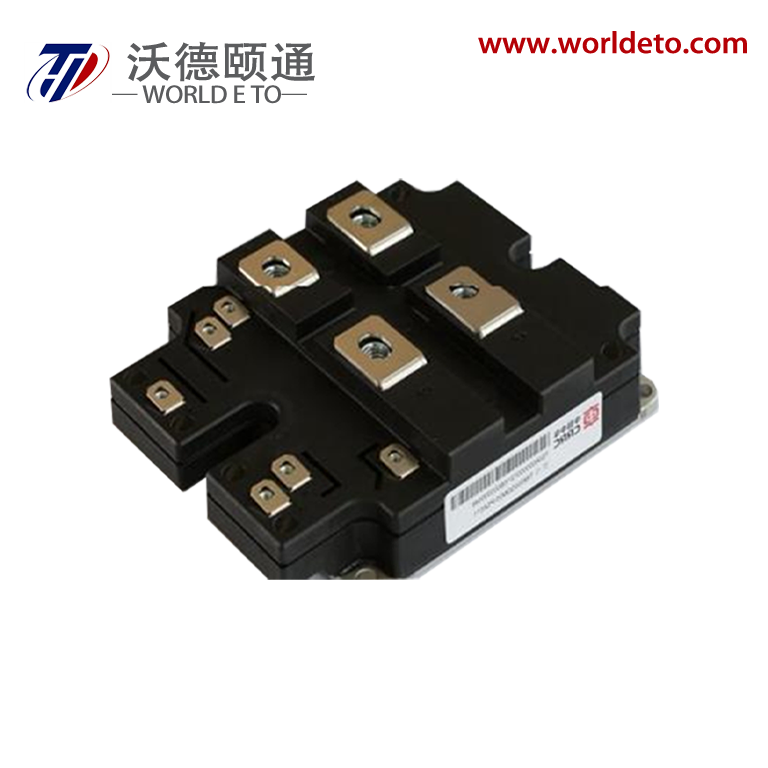
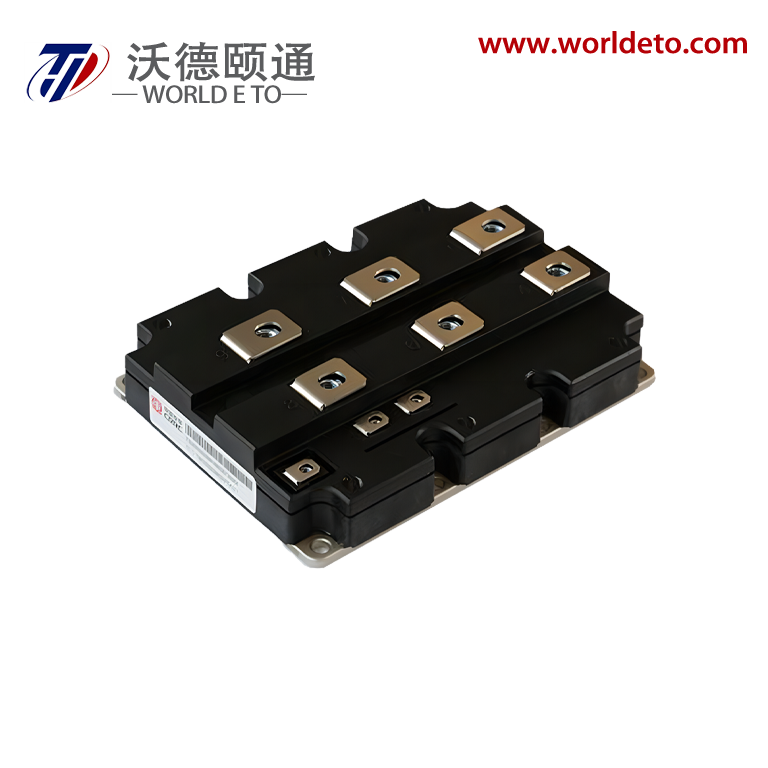
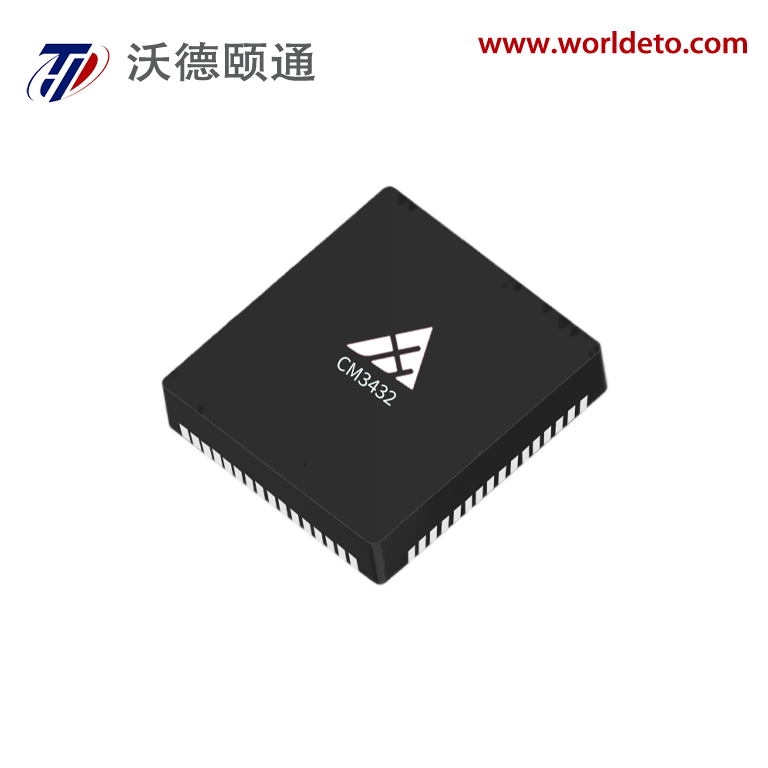
Advanced Power Control IC Solutions - High-Efficiency Power Management Technology

All Categories
Get a Quote

Get a Free Quote

Our representative will contact you soon.
Email
Name
Company Name
Message
0/1000

power control ic

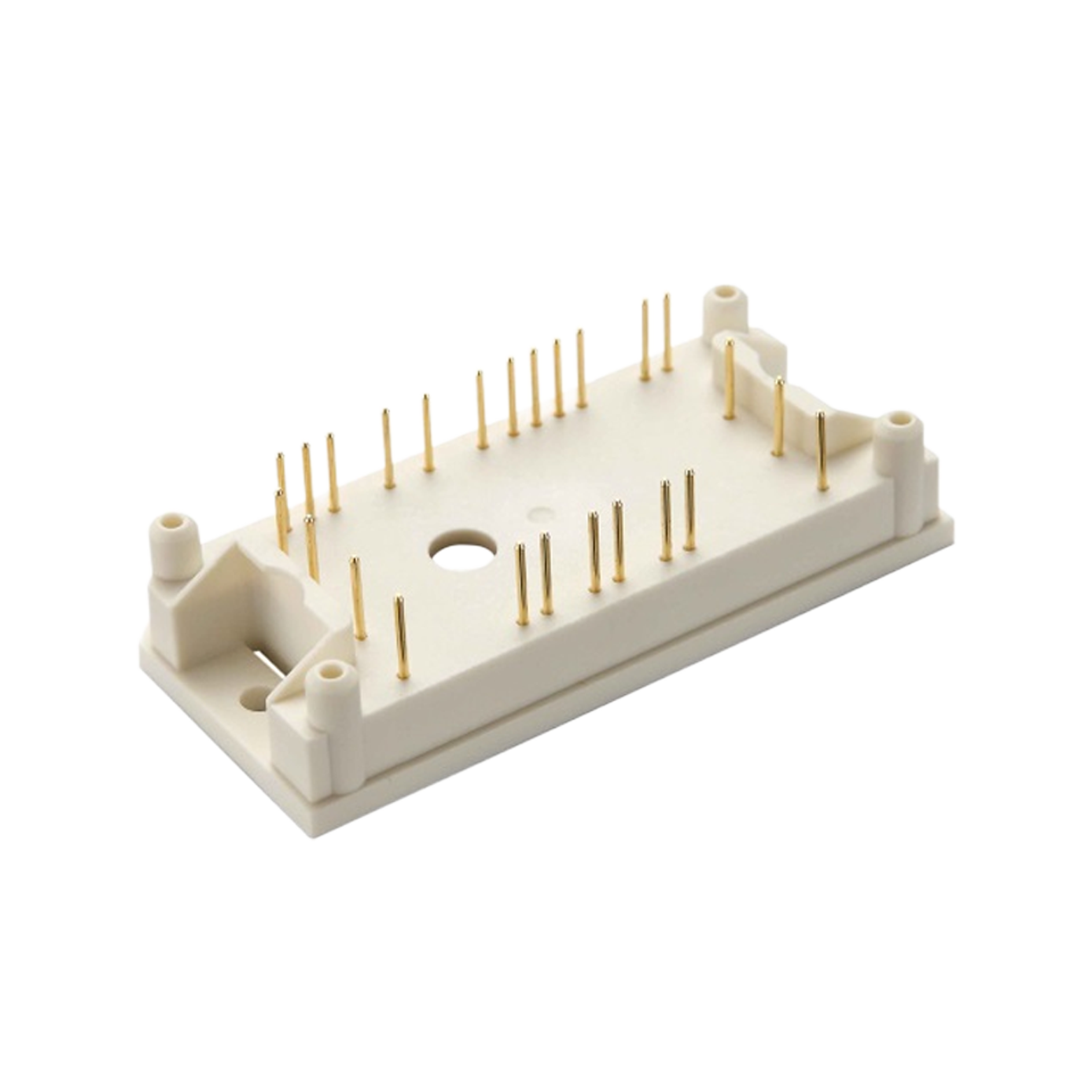
A power control IC represents a sophisticated semiconductor device engineered to manage, regulate, and distribute electrical power within electronic systems. These integrated circuits serve as the critical interface between power sources and electronic components, ensuring optimal performance while protecting sensitive circuits from voltage fluctuations and current surges. The power control IC functions as an intelligent gatekeeper that monitors electrical parameters continuously and makes real-time adjustments to maintain stable operation across diverse operating conditions. Modern power control ICs incorporate advanced switching technologies, feedback mechanisms, and protection circuits that work harmoniously to deliver precise voltage regulation, current limiting, and thermal management. These devices excel in converting, conditioning, and controlling electrical power with exceptional efficiency rates often exceeding 95 percent, making them indispensable for battery-powered devices, industrial automation systems, and consumer electronics. The technological architecture of a power control IC typically includes pulse-width modulation controllers, voltage references, error amplifiers, and sophisticated gate drivers that coordinate power delivery with microsecond precision. Advanced power control ICs feature programmable output voltages, dynamic voltage scaling capabilities, and intelligent power sequencing that adapts to varying load requirements automatically. These circuits support multiple power domains simultaneously, enabling complex systems to operate different subsections at optimal voltage levels while maintaining synchronization and preventing interference. The integration density of modern power control ICs allows manufacturers to implement comprehensive power management solutions within compact form factors, reducing board space requirements and simplifying design complexity. Furthermore, these devices incorporate diagnostic capabilities that monitor system health, detect fault conditions, and provide telemetry data for predictive maintenance and system optimization.

New Product Recommendations

Power control ICs deliver remarkable energy efficiency that translates directly into extended battery life for portable devices and reduced electricity costs for stationary applications. These circuits achieve superior performance by minimizing power losses during voltage conversion and regulation processes, often reaching efficiency levels above 90 percent compared to traditional linear regulators that typically waste significant energy as heat. Users benefit from cooler operating temperatures, which extends component lifespan and reduces cooling requirements in system designs. The intelligent switching mechanisms within power control ICs automatically adjust operating parameters based on load conditions, ensuring optimal efficiency across the entire power spectrum from light loads to maximum capacity. This adaptive behavior means devices consume minimal standby power when idle while providing robust performance when demand increases. Power control ICs significantly enhance system reliability through comprehensive protection features that safeguard both the IC itself and connected components from electrical stress. These protective mechanisms include overvoltage protection, undervoltage lockout, overcurrent limiting, and thermal shutdown capabilities that activate instantaneously when abnormal conditions occur. The built-in fault detection systems monitor electrical parameters continuously and respond within microseconds to prevent damage, eliminating the need for external protection components and reducing system complexity. Users experience fewer device failures, reduced maintenance costs, and improved product longevity due to these robust protection features. The compact integration of power control ICs dramatically simplifies circuit design and reduces overall system size, enabling manufacturers to create smaller, lighter products without compromising functionality. These devices eliminate the need for multiple discrete components such as voltage references, error amplifiers, switching transistors, and feedback networks by incorporating all necessary functions within a single chip. Design engineers benefit from shorter development cycles, reduced component sourcing complexity, and lower manufacturing costs while achieving superior performance compared to discrete solutions. The standardized interfaces and comprehensive technical documentation provided with power control ICs accelerate the design process and reduce the likelihood of implementation errors. Additionally, many power control ICs offer programmable features that allow customization without hardware changes, providing flexibility to adapt products for different markets or applications through software configuration alone.

Tips And Tricks

Is Your ADC/DAC Underperforming? The Culprit Could Be Your Voltage Reference

24

Nov

Is Your ADC/DAC Underperforming? The Culprit Could Be Your Voltage Reference

In the realm of precision analog-to-digital and digital-to-analog conversion, engineers often focus on the specifications of the ADC or DAC itself while overlooking a critical component that can make or break system performance. The voltage reference...
View More
Super-junction MOSFET

25

Jan

Super-junction MOSFET

The super-junction MOSFET (Meta Oxide Semiconductor Field Effect Transistor) introduces a lateral electric field control on the basis of the traditional VDMOS, thereby making the vertical electric field distribution approach an ideal rectangle. This ...
View More
The Best Domestic Alternatives for High-Performance ADC and DAC Chips in 2026

03

Feb

The Best Domestic Alternatives for High-Performance ADC and DAC Chips in 2026

The semiconductor industry is experiencing unprecedented demand for high-performance analog-to-digital converter and digital-to-analog converter solutions, driving engineers and procurement teams to seek reliable domestic alternatives for ADC and DAC...
View More
Breaking Speed Barriers: The Future of High-Speed ADCs in Modern Communication

03

Feb

Breaking Speed Barriers: The Future of High-Speed ADCs in Modern Communication

The telecommunications industry continues to push the boundaries of data transmission speeds, driving unprecedented demand for advanced analog-to-digital conversion technologies. High-speed ADCs have emerged as the cornerstone of modern communication...
View More

Get a Free Quote

Our representative will contact you soon.
Email
Name
Company Name
Message
0/1000

power control ic

Advanced Efficiency Optimization Technology

Advanced Efficiency Optimization Technology

The cutting-edge efficiency optimization technology embedded within modern power control ICs represents a breakthrough in energy management that delivers tangible benefits for both manufacturers and end users. This sophisticated system employs dynamic efficiency tracking algorithms that continuously monitor input and output conditions to determine the optimal operating mode for any given situation. The power control IC intelligently switches between different operational modes such as pulse-frequency modulation, pulse-width modulation, and burst mode operation based on real-time load analysis, ensuring maximum efficiency across the entire operational spectrum. During light load conditions, the IC automatically transitions to burst mode operation, where switching activity is minimized to reduce quiescent current consumption to mere microamperes, dramatically extending battery life in portable applications. When higher power demands arise, the system seamlessly shifts to continuous conduction mode with optimized switching frequencies that balance efficiency with output ripple requirements. The advanced feedback control loops within the power control IC utilize high-speed analog-to-digital converters and digital signal processing capabilities to maintain precise regulation while adapting switching parameters in real-time. This technological approach eliminates the traditional trade-offs between efficiency and regulation accuracy, allowing devices to maintain tight voltage tolerances even under rapidly changing load conditions. The efficiency optimization extends beyond basic switching control to include intelligent dead-time adjustment, adaptive gate drive strength, and resonant switching techniques that minimize switching losses and electromagnetic interference. Users benefit from devices that operate cooler, last longer, and consume less power from batteries or mains supply, resulting in lower operating costs and improved environmental sustainability. The cumulative effect of these efficiency improvements can extend battery runtime by 20-40 percent compared to conventional power management solutions, making products more attractive to consumers while reducing the environmental impact of frequent battery replacements or charging cycles.
Comprehensive System Protection and Reliability

Comprehensive System Protection and Reliability

The comprehensive protection framework integrated into advanced power control ICs provides unparalleled system reliability that safeguards investments and ensures consistent performance across diverse operating environments. This multi-layered protection system incorporates hardware-based safety mechanisms that respond instantaneously to fault conditions without relying on software intervention, ensuring protection even during system malfunctions or programming errors. The overvoltage protection circuitry continuously monitors input and output voltages with precision comparators that trigger protective actions within nanoseconds when voltages exceed safe thresholds, preventing damage to sensitive downstream components such as processors, memory devices, and communication interfaces. The sophisticated overcurrent protection employs both cycle-by-cycle current limiting and thermal fold-back mechanisms that automatically reduce output current when excessive loads are detected while maintaining stable operation for legitimate high-current transients. Temperature monitoring systems within the power control IC utilize multiple thermal sensors strategically placed throughout the die to detect hot spots and implement graduated thermal responses, from reducing switching frequency to complete shutdown if necessary. The undervoltage lockout protection ensures reliable startup sequences by preventing operation until input voltages reach adequate levels, while programmable power-good signals provide system-wide coordination for complex multi-rail designs. Advanced power control ICs also incorporate sophisticated fault reporting mechanisms that log error conditions, maintain fault histories, and provide diagnostic information through digital interfaces, enabling predictive maintenance and system optimization. The protection systems are designed with appropriate hysteresis and filtering to prevent nuisance tripping while maintaining fast response times for genuine fault conditions. Users benefit from dramatically reduced field failures, lower warranty costs, and improved customer satisfaction due to the robust protection capabilities. The self-diagnostic features enable proactive maintenance scheduling and system optimization, reducing unexpected downtime and maintenance costs while extending overall system lifespan through early fault detection and correction.
Flexible Integration and Design Simplification

Flexible Integration and Design Simplification

The exceptional integration capabilities and design flexibility offered by modern power control ICs revolutionize the product development process by consolidating complex power management functions into compact, easy-to-implement solutions that accelerate time-to-market while reducing design risks. These sophisticated devices integrate multiple power rails, sequencing controllers, voltage monitoring circuits, and communication interfaces within single packages, eliminating the need for numerous discrete components and simplifying board layouts significantly. The power control IC incorporates programmable features that allow engineers to configure voltage levels, switching frequencies, protection thresholds, and sequencing parameters through software interfaces, providing unprecedented flexibility to adapt designs for different applications without hardware modifications. This programmability extends to advanced features such as dynamic voltage scaling, where output voltages can be adjusted in real-time based on system performance requirements, enabling power optimization strategies that weren't possible with traditional fixed-voltage solutions. The standardized communication interfaces built into power control ICs, including I2C, SPI, and PMBus protocols, facilitate seamless integration with microcontrollers and system management units, enabling sophisticated power management strategies and remote monitoring capabilities. Design engineers benefit from comprehensive development ecosystems that include evaluation boards, simulation models, design tools, and extensive documentation that accelerate the learning curve and reduce implementation risks. The power control IC's ability to operate across wide input voltage ranges and support multiple output configurations makes it suitable for diverse applications from battery-powered IoT devices to high-performance computing systems. Advanced packaging technologies allow these complex circuits to be housed in compact form factors with excellent thermal characteristics, enabling high power density designs that meet modern miniaturization requirements. The integration of power control ICs reduces component count by 60-80 percent compared to discrete solutions, leading to lower bill-of-materials costs, improved reliability through fewer interconnections, and simplified supply chain management. Furthermore, the built-in protection and monitoring features eliminate the need for external supervisory circuits, further simplifying designs while improving overall system robustness and reducing development time from concept to production.

Get a Free Quote

Our representative will contact you soon.
Email
Name
Company Name
Message
0/1000