Flexible Integration and Design Simplification
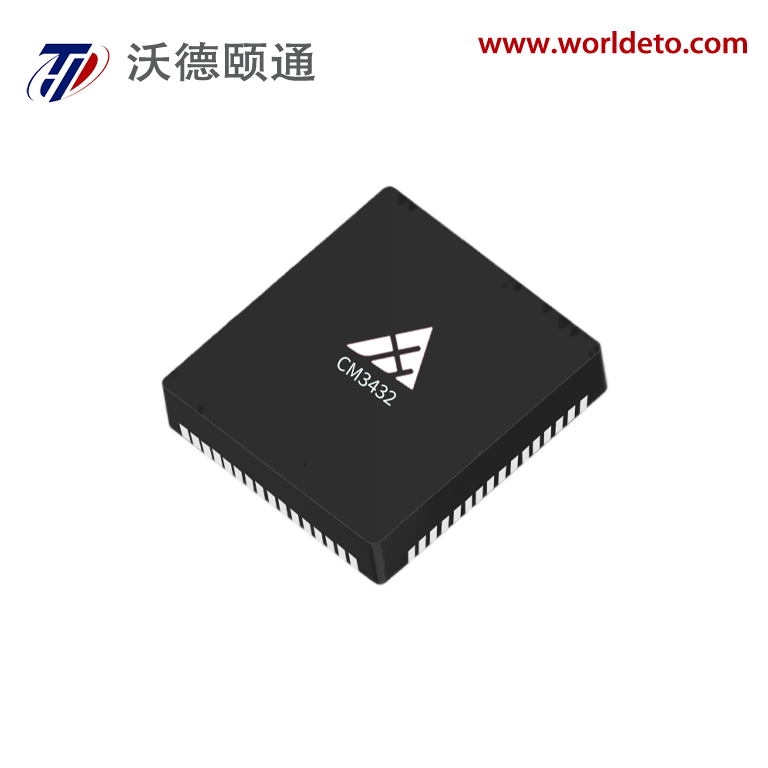
The exceptional integration capabilities and design flexibility offered by modern power control ICs revolutionize the product development process by consolidating complex power management functions into compact, easy-to-implement solutions that accelerate time-to-market while reducing design risks. These sophisticated devices integrate multiple power rails, sequencing controllers, voltage monitoring circuits, and communication interfaces within single packages, eliminating the need for numerous discrete components and simplifying board layouts significantly. The power control IC incorporates programmable features that allow engineers to configure voltage levels, switching frequencies, protection thresholds, and sequencing parameters through software interfaces, providing unprecedented flexibility to adapt designs for different applications without hardware modifications. This programmability extends to advanced features such as dynamic voltage scaling, where output voltages can be adjusted in real-time based on system performance requirements, enabling power optimization strategies that weren't possible with traditional fixed-voltage solutions. The standardized communication interfaces built into power control ICs, including I2C, SPI, and PMBus protocols, facilitate seamless integration with microcontrollers and system management units, enabling sophisticated power management strategies and remote monitoring capabilities. Design engineers benefit from comprehensive development ecosystems that include evaluation boards, simulation models, design tools, and extensive documentation that accelerate the learning curve and reduce implementation risks. The power control IC's ability to operate across wide input voltage ranges and support multiple output configurations makes it suitable for diverse applications from battery-powered IoT devices to high-performance computing systems. Advanced packaging technologies allow these complex circuits to be housed in compact form factors with excellent thermal characteristics, enabling high power density designs that meet modern miniaturization requirements. The integration of power control ICs reduces component count by 60-80 percent compared to discrete solutions, leading to lower bill-of-materials costs, improved reliability through fewer interconnections, and simplified supply chain management. Furthermore, the built-in protection and monitoring features eliminate the need for external supervisory circuits, further simplifying designs while improving overall system robustness and reducing development time from concept to production.