
 EN
EN
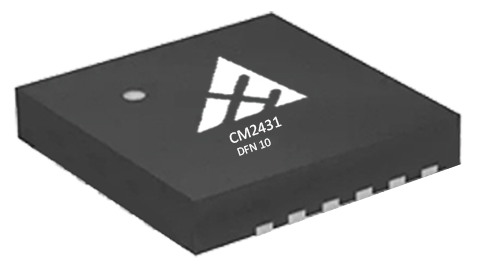
Het selecteren van de juiste hoogprestatie-ADC-chips is cruciaal voor toepassingen die precisiegebaseerde gegevensacquisitie, signaalverwerking en real-time bewaking vereisen. In 2025 heeft het aanbod aan hoogprestatie-ADC-chips zich dramatisch ontwikkeld, waardoor ingenieurs ongekende resolutie, snelheid en integratiemogelijkheden krijgen. Of u nu industriële regelsystemen, medische meetapparatuur, telecommunicatieapparatuur of automotive-elektronica ontwerpt: inzicht in de nuances van hoogprestatie-ADC-chips is essentieel voor het succes van uw project en voor concurrentievoordeel.
De vraag naar hoogwaardige ADC-chips blijft sterk toenemen in meerdere industrieën, aangezien toepassingen steeds veeleisender worden. Moderne hoogwaardige ADC-chips bieden bemonsteringsfrequenties die gigahertzfrequenties overschrijden, resolutiedieptes van 16 bit of hoger en energie-efficiëntieparameters die inzet op mobiele en ingebedde systemen ondersteunen. Deze uitgebreide gids onderzoekt de belangrijkste spelers op de markt voor hoogwaardige ADC-chips en analyseert hun sterke punten, toepassing geschiktheid en integratieoverwegingen om u te helpen een weloverwogen keuze te maken.
Begrip van de architectuur en mogelijkheden van hoogpresterende ADC-chips
Kernprestatiespecificaties van hoogpresterende ADC-chips
Hoogpresterende ADC-chips onderscheiden zich door meerdere onderling verbonden specificaties die hun geschiktheid voor specifieke toepassingen bepalen. De bemonsteringsfrequentie, gemeten in megasamples per seconde (MSPS) of gigasamples per seconde (GSPS), bepaalt hoe vaak het analoge signaal wordt vastgelegd en omgezet. De resolutie, meestal variërend van 8-bit tot 16-bit of hoger, definieert de fijnheid van de digitale uitvoer en beïnvloedt direct de signaal-ruisverhouding. De signaal-ruisverhouding (SNR) meet de verhouding tussen het gewenste signaalvermogen en ongewenst ruisvermogen; hoogpresterende ADC-chips bereiken typisch SNR-waarden boven de 70 decibel onder optimale omstandigheden.
Het effectieve aantal bits (ENOB) geeft een realistische beoordeling van de prestaties van hoogwaardige ADC-chips door ruis en vervorming in aanmerking te nemen. Een 16-bit ADC kan onder werkelijke bedrijfsomstandigheden een ENOB van 14,5 bits vertonen, waardoor deze maatstaf cruciaal is voor validatie van het ontwerp. Thermische ruis, kwantisatiefouten en niet-lineariteit dragen allen bij aan de totale prestatieomvang van hoogwaardige ADC-chips. Het stroomverbruik, de bandbreedtecapaciteiten en de integratie van de analoge front-end spelen eveneens een belangrijke rol bij het bepalen welke hoogwaardige ADC-chips het beste aansluiten bij uw toepassingsvereisten.
Integratiekenmerken en signaalconditioneringsmogelijkheden
Moderne hoogpresterende ADC-chips bevatten vaak geïntegreerde signaalversterkingscircuits die de algehele systeemprestatie verbeteren. Veel hoogpresterende ADC-chips omvatten programmeerbare versterkers met variabele versterking (PGAs), waardoor de dynamische bereikaanpassing mogelijk is zonder externe componenten. Anti-aliasingfilters, referentiespanningsbuffers en temperatuurcompensatiecircuits die zijn ingebed in hoogpresterende ADC-chips verminderen de behoefte aan externe ondersteunende schakelingen en vereenvoudigen het printplaatontwerp. Sommige hoogpresterende ADC-chips beschikken over meerdere ingangskanalen met gelijktijdige bemonsteringsmogelijkheden, wat parallelle gegevensacquisitie van verschillende signaalbronnen met gesynchroniseerde timing mogelijk maakt.
De keuze van interfaceprotocollen die zijn ingebouwd in hoogwaardige ADC-chips varieert van parallelle digitale uitgangen tot seriële communicatiestandaarden zoals SPI, I2C en LVDS. Geavanceerde hoogwaardige ADC-chips bieden configureerbare uitvoerformaten, waardoor ontwerpers de datadoorgang en het stroomverbruik kunnen optimaliseren voor hun specifieke toepassingen. Sommige hoogwaardige ADC-chips beschikken over geïntegreerde digitale signaalverwerkingsmogelijkheden, waardoor real-time filtering, decimatie en gegevenscompressie direct op de chip mogelijk zijn, wat de rekenlast op downstream-processors vermindert.
Selectiecriteria voor optimale prestaties van high-performance ADC-chips
Toepassingsspecifieke vereisten en prestatieafwegingen
Het kiezen tussen beschikbare hoogpresterende ADC-chips vereist een zorgvuldige afstemming tussen toepassingsvereisten en apparaatspecificaties. Industriële test- en meettoepassingen geven vaak de voorkeur aan bandbreedte en resolutie in hoogpresterende ADC-chips, terwijl automobielveiligheidssystemen mogelijk meer nadruk leggen op betrouwbaarheid, temperatuurstabiliteit en signaalintegriteit bij de keuze van hoogpresterende ADC-chips. Telecommunicatie-infrastructuurtoepassingen stellen doorgaans extreem hoge bemonsteringssnelheden als vereiste voor hoogpresterende ADC-chips, terwijl medische diagnostische apparatuur zich mogelijk richt op laag-ruisprestaties en kalibratiestabiliteit in hoogpresterende ADC-chips.
Overwegingen met betrekking tot het stroomverbruik beïnvloeden de keuze van hoogwaardige ADC-chips aanzienlijk in omgevingen met batterijvoeding of thermische beperkingen. Sommige hoogwaardige ADC-chips werken met een enkele voeding, terwijl andere een dubbele voeding vereisen, wat van invloed is op de algehele systeemcomplexiteit en -kosten. De afweging tussen bemonsteringssnelheid en energie-efficiëntie bij hoogwaardige ADC-chips vereist een zorgvuldige analyse van uw daadwerkelijke bandbreedtevereisten, in plaats van standaard te kiezen voor de maximale specificaties. De operationele omgevingsbereiken, inclusief temperatuurstabiliteit en EMI-weerstand, moeten overeenkomen met uw implementatieomstandigheden bij de beoordeling van hoogwaardige ADC-chips.
Kosten, beschikbaarheid en toeleveringsketenoverwegingen
Naast technische specificaties beïnvloeden praktische factoren in aanzienlijke mate de keuze voor hoogwaardige ADC-chips. De componentenkosten per stuk variëren sterk op de markt voor hoogwaardige ADC-chips, waarbij premiumapparaten aanzienlijke prijsopslagen kennen ten opzichte van basismodellen. De inspanning voor het ontwerp en de impact op time-to-market verschillen sterk tussen hoogwaardige ADC-chips, aangezien sommige chips ondersteunende functies integreren, terwijl andere uitgebreide externe schakelingen vereisen. Langetermijnbeschikbaarheid, productieroadmaps en duurzaamheid van productievolumes beïnvloeden de strategische waarde van uw keuze voor hoogwaardige ADC-chips.
De veerkracht van de toeleveringsketen is steeds belangrijker geworden voor de aankoop van hoogwaardige ADC-chips, waarbij geopolitieke en pandemiegerelateerde verstoringen invloed hebben op levertijden en toewijzingsbeleid. Het beoordelen van meerdere gekwalificeerde leveranciers voor uw toepassingen met hoogwaardige ADC-chips biedt flexibiliteit en vermindert risico’s door afhankelijkheid van één enkele leverancier. De beschikbaarheid van ontwikkelingskits, de kwaliteit van toepassingsnotities en de reactiesnelheid van technische ondersteuning van fabrikanten beïnvloeden allemaal het praktische implementatiesucces van hoogwaardige ADC-chips. De beschikbaarheid van referentieontwerpen die specifiek zijn afgestemd op uw gebruiksscenario kan de integratietijdschema’s voor hoogwaardige ADC-chips aanzienlijk versnellen en het ontwerprisico verminderen.
Toonaangevende spelers op de markt voor hoogpresterende ADC-chips
Toonaangevende hoogwaardige ADC-chips en hun onderscheidende sterke punten
De huidige generatie van h oogwaardige ADC-chips vertegenwoordigt diverse architecturale benaderingen voor het bereiken van superieure analoge-naar-digitale conversie. Pipeline-gebaseerde hoogpresterende ADC-chips onderscheiden zich door een hoge doorvoersnelheid te behouden bij een matig stroomverbruik, waardoor ze ideaal zijn voor duurzame streamingtoepassingen. Successive Approximation Register (SAR)-varianten van hoogpresterende ADC-chips bieden uitstekende energie-efficiëntie en lagere latentie, wat hen waardevol maakt voor tijdgevoelige metingen. Flash-convertertopologieën binnen hoogpresterende ADC-chips leveren de snelste conversiesnelheden, essentieel voor het opnemen van hoogfrequente signalen waarbij real-timeverwerking geen vertraging kan tolereren.
Sigma-delta-modulatiegebaseerde hoogwaardige ADC-chips bieden uitzonderlijke ruisprestaties en flexibiliteit in integratie, met name waardevol in audio- en sensorapplicaties. Hybride architecturen verschijnen steeds vaker in het ontwerp van hoogwaardige ADC-chips, waarbij meerdere topologieën worden gecombineerd om snelheid, resolutie en stroomverbruik in evenwicht te brengen. Elke architecturale aanpak is ingebed in verschillende hoogwaardige ADC-chips producten spreekt afzonderlijke marktsegmenten en toepassingsniches aan. Het begrijpen van deze architecturale verschillen helpt u om te beoordelen welke familie hoogwaardige ADC-chips het beste aansluit bij uw specifieke prestatie- en integratievereisten.
Implementatieoverwegingen en integratiebest practices
Een succesvolle implementatie van hoogwaardige ADC-chips gaat verder dan alleen de keuze van componenten en omvat zorgvuldig PCB-ontwerp, signaalroutering en optimalisatie van de stroomvoorziening. Het ontwerp van het massavlaak wordt kritiek voor hoogwaardige ADC-chips en vereist toegewezen analoge en digitale massavlakken met juiste isolatie en gecontroleerde integratiepunten. Afschermmethoden die specifiek zijn ontworpen voor uw configuratie met hoogwaardige ADC-chips beschermen tegen elektromagnetische interferentie die prestatieparameters zou kunnen verslechteren. De plaatsing, keuze en lay-outpatronen van ontkoppelingscondensatoren beïnvloeden direct de ruisprestaties van installaties met hoogwaardige ADC-chips.
De stabiliteit van de referentiespanning en de filternetwerken beïnvloeden aanzienlijk de nauwkeurigheid van metingen met high-performance ADC-chips over uitgebreide temperatuur- en voedingsspanningsbereiken. Invoersignaalconditioneringscircuits die zijn ontworpen om harmonieus samen te werken met uw geselecteerde high-performance ADC-chips, voorkomen aliasingfouten en optimaliseren het gebruik van het dynamisch bereik. Kalibratieroutines, offsetaanpassingsprocedures en versterkingsafregelmethodes verschillen tussen verschillende families van high-performance ADC-chips, wat zorgvuldige documentatie vereist tijdens productietests. Thermisch beheer zorgt ervoor dat uw high-performance ADC-chips binnen de gespecificeerde temperatuurbereiken blijven opereren tijdens langdurige werking onder realistische belastingsomstandigheden.
Veelgestelde vragen
Wat onderscheidt hoogwaardige ADC-chips van standaardomzetters?
Hoogpresterende ADC-chips leveren superieure specificaties op meerdere vlakken, waaronder bemonsteringsfrequentie, resolutie en signaal-ruisverhouding, vergeleken met basisconverters. Hoogpresterende ADC-chips omvatten doorgaans geavanceerde signaalconditionering, meerdere ingangskanalen en verfijnde integratiefunctionaliteiten die de behoefte aan externe componenten verminderen. De nauwkeurigheid, snelheid en betrouwbaarheid van hoogpresterende ADC-chips rechtvaardigen hun hogere prijs door een lagere ontwerppcomplexiteit, verbeterde systeemprestaties en verhoogde meetbetrouwbaarheid in veeleisende toepassingen.
Hoe moet ik kiezen tussen verschillende high-performance ADC-chips voor mijn specifieke toepassing?
Evalueer hoogwaardige ADC-chips systematisch door eerst uw exacte vereisten voor bandbreedte, resolutie, bemonsteringsfrequentie en stroomverbruik te documenteren. Vergelijk kandidaat-hoogwaardige ADC-chips met deze vereisten, waarbij u ook rekening houdt met integratiecomplexiteit, kosten en gevolgen voor de ontwikkelingstijd. Verkrijg evaluatieborden voor uw meest veelbelovende hoogwaardige ADC-chipkandidaten en voer daadwerkelijke prestatietests uit met uw signaaltypen en bedrijfsomstandigheden, voordat u definitief kiest voor productieontwerpen.
Welke implementatiefactoren hebben de grootste invloed op de prestaties van hoogwaardige ADC-chips?
De kwaliteit van de printplaatlay-out, het ontwerp van het massavlaak en de filtering van de voeding vormen de meest kritieke implementatiefactoren die de prestaties van hoogwaardige ADC-chips in werkelijke systemen beïnvloeden. Een juiste afscherming, stabiliteit van de referentiespanning en conditionering van het ingangssignaal hebben een aanzienlijke invloed op de gemeten prestaties van hoogwaardige ADC-chips ten opzichte van de ideale specificaties in de datasheet. Thermisch beheer, selectie van componenten voor ondersteunende schakelingen en systematische kalibratieprocedures zorgen ervoor dat hoogwaardige ADC-chips betrouwbare metingen leveren over hun gehele bedrijfsomvang en levensduur.