
 EN
IGCT modules have emerged as a transformative technology in high-power industrial applications, offering engineers and system designers a compelling alternative to traditional semiconductor solutions. These devices combine remarkable efficiency with exceptional reliability, making them ideal for demanding environments where performance cannot be compromised. Understanding why IGCT modules are preferred in high-power systems requires examining their technical advantages, operational benefits, and long-term value proposition for industrial organizations.
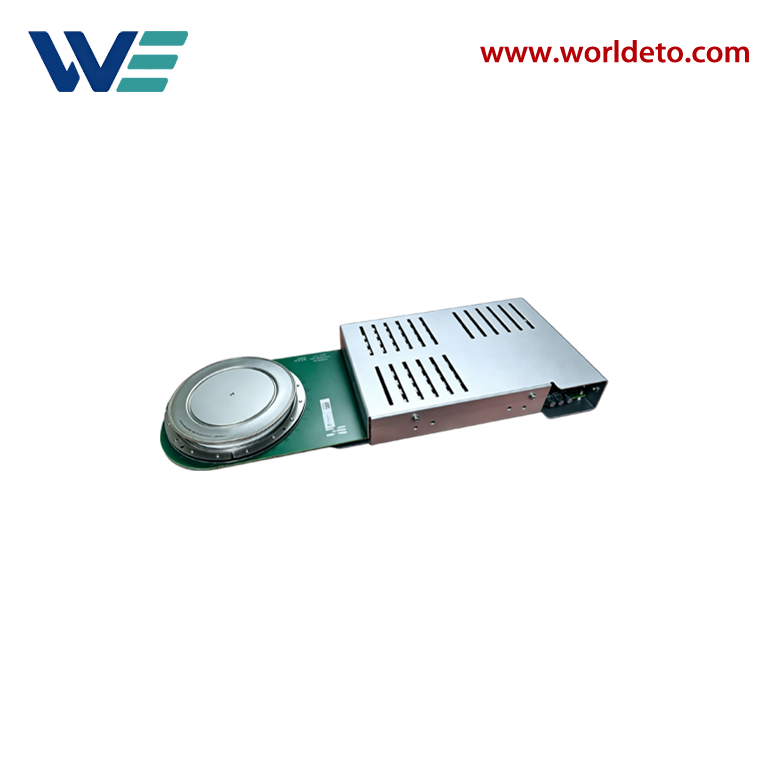
When evaluating semiconductor technologies for high-power industrial systems, IGCT modules stand out due to their superior switching characteristics and thermal management capabilities. These integrated gate-commutated thyristor devices minimize power losses during operation, reduce cooling requirements, and enable more compact system designs. For industries ranging from renewable energy conversion to industrial drives and power transmission, IGCT modules represent a strategic investment that balances performance demands with operational efficiency and sustainability objectives.
Superior Efficiency and Switching Performance
Lower Power Losses in High-Power Applications
One of the most compelling reasons to select IGCT modules for high-power industrial systems is their exceptional ability to minimize energy dissipation during switching and conduction phases. IGCT modules achieve significantly lower on-state voltage drops compared to conventional thyristor technologies, directly reducing heat generation and improving overall system efficiency. This efficiency advantage translates to reduced cooling loads, smaller radiator systems, and lower operational costs over the device's service life. For systems operating continuously or near continuous duty cycles, the cumulative energy savings from using IGCT modules can be substantial.
Switching Frequency Optimization
IGCT modules enable higher switching frequencies than traditional devices, allowing designers to optimize converter topologies and reduce filter component sizes in high-power industrial systems. Higher switching frequencies mean IGCT modules generate cleaner output waveforms with reduced harmonic distortion, which improves power quality throughout the facility. This characteristic makes IGCT modules particularly valuable in applications like variable frequency drives, static frequency converters, and reactive power compensation systems where waveform quality directly impacts equipment performance and grid compliance.
Enhanced Reliability and System Integration
Robust Design and Extended Operating Life
IGCT modules are engineered to withstand extreme operating conditions while maintaining consistent performance across thousands of operating hours. The robust construction of IGCT modules includes advanced metallurgical design, optimized semiconductor junctions, and integrated protection circuits that prevent catastrophic failure modes. High-power industrial systems utilizing IGCT modules experience fewer unplanned shutdowns, reduced maintenance interventions, and longer intervals between component replacement. This reliability directly supports mission-critical operations and reduces the total cost of ownership compared to less robust semiconductor alternatives.
Integrated Gate Control and Protection
IGCT modules incorporate integrated gate control circuits and comprehensive protection features that simplify system design and enhance operational safety in high-power applications. These modules include built-in sensing capabilities, driver circuits, and fault detection mechanisms that automatically respond to overcurrent, overvoltage, and thermal stress conditions. By consolidating gate control and protection into the module itself, IGCT modules reduce design complexity, minimize external component requirements, and decrease the likelihood of control circuit failures in high-power industrial systems. This integration particularly benefits large-scale installations where system complexity and failure modes must be carefully managed.
Cost Effectiveness and Long-Term Value
Reduced Thermal Management Requirements
Choosing IGCT modules for high-power industrial systems substantially reduces the scale and cost of thermal management infrastructure required to maintain safe operating temperatures. Lower power dissipation from IGCT modules means smaller radiators, less sophisticated cooling fluid circulation systems, and reduced cooling fan capacity compared to alternatives. These thermal management savings extend beyond initial capital expenditure to include ongoing cooling electricity costs, maintenance of cooling systems, and replacement of cooling components. For industrial facilities operating large-scale power conversion systems, IGCT modules can reduce annual cooling costs by ten to twenty percent or more depending on operating duty cycles.
Component Density and System Footprint
IGCT modules enable higher power density in converter systems, allowing engineers to achieve greater power handling capability within the same physical space or to reduce overall system size for a given power rating. This compact footprint advantage is particularly valuable in industrial environments where floor space is expensive and installation flexibility is limited. Higher power density from IGCT modules also reduces the amount of cabling, cooling infrastructure, and support structure required, generating additional cost savings throughout the high-power industrial system. Customers benefit from lower installation costs, easier future upgrades, and improved facility utilization when adopting IGCT modules.
Technical Advantages in Demanding Industrial Environments
Voltage and Current Ratings for Extreme Conditions
IGCT modules are manufactured in voltage ratings up to several kilovolts and current ratings spanning thousands of amperes, making them ideally suited for demanding high-power industrial systems where extreme conditions are routine. This capability to handle substantial voltage and current levels means IGCT modules can directly interface with high-voltage power distribution systems without requiring additional voltage or current multiplication stages. The rating flexibility of IGCT modules enables system designers to select modules that precisely match application requirements, avoiding oversizing that wastes resources and undersizing that risks inadequate performance in high-power industrial systems.
Environmental Resilience and Operating Life Extension
IGCT modules demonstrate excellent performance stability across wide temperature ranges and harsh industrial environments, from moderate temperature variations to conditions involving vibration, moisture, and electromagnetic interference. The rugged construction and advanced packaging technology of IGCT modules ensure consistent electrical characteristics and long operational life even when deployed in challenging industrial settings. This environmental resilience reduces the need for protective enclosures, environmental conditioning systems, and frequent maintenance interventions that would be necessary with less robust semiconductor devices. Many high-power industrial systems achieve extended service intervals and longer overall device lifespan by incorporating IGCT modules.
FAQ
What makes IGCT modules superior to conventional thyristor technology?
IGCT modules combine lower conduction losses, higher switching frequencies, integrated gate control, and superior thermal performance compared to conventional thyristors. These advantages translate to more efficient power conversion, reduced cooling requirements, simpler system design, and lower total operating costs in high-power industrial systems. The integrated protection circuits and advanced semiconductor technology in IGCT modules also improve reliability and safety compared to discrete thyristor solutions.
How do IGCT modules reduce system cooling costs?
IGCT modules generate significantly less waste heat than alternative semiconductor devices, directly reducing the cooling capacity required to maintain safe operating temperatures. Smaller radiators, lower cooling fan power consumption, and less expensive cooling system infrastructure all contribute to reduced capital and operational costs. For industrial facilities with large-scale power conversion systems, IGCT modules can reduce annual cooling electricity expenses substantially while improving system reliability and performance.
Are IGCT modules suitable for renewable energy applications?
Yes, IGCT modules are extensively used in renewable energy systems including wind turbine power conversion, solar photovoltaic inverters, and grid interconnection systems. The high efficiency, excellent switching characteristics, and robust design of IGCT modules make them ideal for handling variable power levels and maintaining stable grid connection. IGCT modules enable cleaner power conversion and more reliable operation in demanding renewable energy applications.