
 EN
EN
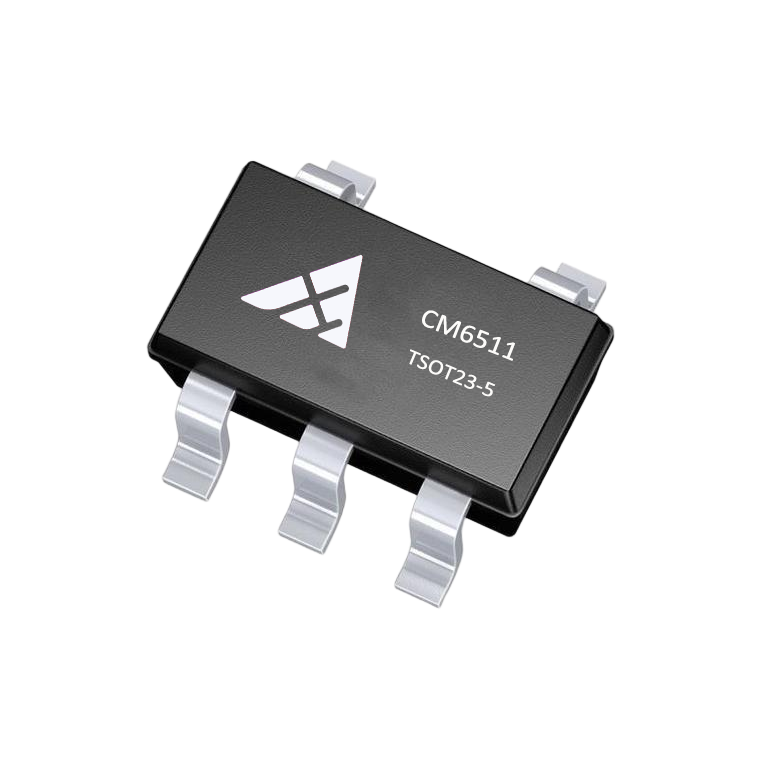
Günümüzün birbirine bağlı küresel ekonomisinde, tedarik zinciri güvenliği; çeşitli sektörlerdeki üreticiler, dağıtım şirketleri ve son kullanıcılar için kritik bir endişe kaynağı haline gelmiştir. Elektronik sistemlerin giderek artan karmaşıklığı, yalnızca üstün performans sunmakla kalmayıp aynı zamanda tedarik zinciri boyunca güvenilirlik ve orijinalliği de garanti eden bileşenler talep etmektedir. Yüksek hassasiyetli referans kaynakları, elektronik sistemlerin doğru doğrulamasını ve kimlik doğrulamasını sağlayan, kararlı ve doğru gerilim referansları sunarak tedarik zinciri güvenliğine önemli ölçüde katkı sağlayan temel yapı taşları olarak öne çıkmıştır. Bu gelişmiş bileşenler, hassasiyet ve güvenin en üst düzeyde olduğu çok sayıda uygulamanın omurgasını oluşturmaktadır.
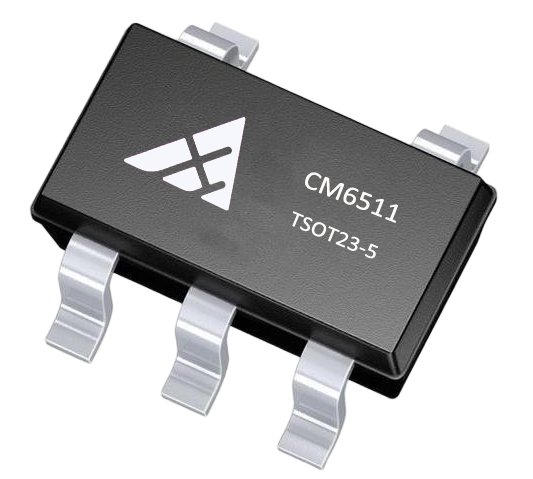
Yüksek hassasiyetli referans kaynaklarının rolü, basit gerilim regülasyonunu çok aşar. Bu bileşenler, tedarik zinciri bütünlüğünü korumak için hayati öneme sahip ölçüm doğruluğu, sistem kalibrasyonu ve kimlik doğrulama protokolleri için temel oluşturur. Düşük düşüş gerilimli regülatörler (LDO'lar) ile birleştirildiklerinde, güvenlik açısından kritik uygulamalar için gerekli kararlı çalışma koşullarını sağlarken sistem güvenilirliğini artıran sağlam güç yönetimi çözümleri oluştururlar. Bu bileşenlerin tedarik zinciri güvenliği konusundaki katkılarını anlamak; teknik yeteneklerini, uygulama stratejilerini ve çeşitli sektörlerdeki gerçek dünya uygulamalarını incelemeyi gerektirir.
Tedarik Zinciri Uygulamalarında Yüksek Hassasiyetli Referans Kaynaklarının Anlaşılması
Teknik Özellikler ve Performans Ölçütleri
Yüksek hassasiyetli referans kaynakları, sıcaklık, zaman ve değişken yük koşulları boyunca minimum kayma ile son derece kararlı çıkış gerilimleri sağlamak amacıyla tasarlanmıştır. Bu bileşenler genellikle ±0,02% veya daha iyi başlangıç doğruluğu özelliklerine sahiptir ve sıcaklık katsayıları 2 ppm/°C’ye kadar düşebilir. Bu olağanüstü kararlılık, en küçük gerilim değişimlerinin bile sistem güvenliğini veya kimlik doğrulama süreçlerini tehlikeye atabileceği uygulamalar için ideal hale getirir. Bu referansların uzun vadeli kararlılığı, güvenlik protokollerinin uzun süreli işletme dönemleri boyunca tutarlı kalmasını sağlar; bu da tedarik zinciri bütünlüğünü korumak açısından hayati öneme sahiptir.
Yüksek hassasiyetli referans kaynaklarının gürültü performansı, tedarik zinciri güvenliği uygulamaları için de eşit derecede önemlidir. Düşük gürültülü referanslar, yanlış kimlik doğrulama sinyalleri riskini en aza indirir ve güvenlik devrelerinin tasarlandıkları parametreler çerçevesinde çalışmasını sağlar. Gelişmiş referans mimarileri, geniş çevresel aralıklar boyunca performansı koruyan karmaşık gürültü filtreleme ve sıcaklık kompanzasyonu teknikleri içerir. Bu güvenilirlik, bileşenlerin yaşam döngüleri boyunca değişken depolama ve işletme koşullarıyla karşılaşabileceği tedarik zinciri uygulamaları için hayati öneme sahiptir.
Tedarik Zinciri Kimlik Doğrulama Sistemleriyle Entegrasyon
Modern tedarik zinciri güvenliği sistemleri, doğru çalışması için kesin gerilim referansları gerektiren elektronik kimlik doğrulama ve doğrulama protokollerine büyük ölçüde dayanır. Yüksek hassasiyetli referans kaynakları, bu sistemlerin sahte bileşenleri tespit etme ve ürün orijinalliğini doğrulama açısından kritik olan tutarlı performans standartlarını korumasını sağlar. Bu referanslar tarafından sağlanan kararlı gerilim çıktıları, kriptografik işlemcileri, güvenli mikrodenetleyicileri ve kimlik doğrulama entegre devrelerini belirtilen parametreleri içinde çalıştırarak güvenlik protokollerinin bütünlüğünü korur.
Uygulama sürecinde yüksek hassasiyetli referans kaynakları tedarik zinciri kimlik doğrulama sistemlerinde genellikle güç kaynağı reddetme oranı (PSRR) ve yük düzenleme özellikleri dikkatle değerlendirilir. Bu parametreler, taşınma, depolama veya işletme sırasında ortaya çıkabilecek değişken güç koşulları altında sistemin güvenlik işlevlerini sürdürme yeteneğini doğrudan etkiler. Gelişmiş referans tasarımlar, tedarik zincirindeki müdahalelere veya kazara verilen hasarlara karşı koruma sağlamak amacıyla ters pil koruması ve aşırı gerilim kapatma gibi özellikler içerir.
Düşük Düşüm Regülatörleri ve Tedarik Zinciri Güvenliğindeki Rolü
Güvenlik Uygulamaları İçin Geliştirilmiş Güç Yönetimi
Düşük düşme gerilimli regülatörler (LDO'lar), tedarik zinciri güvenliğini artıran kapsamlı güç yönetimi çözümleri oluşturmak için yüksek hassasiyetli referans kaynaklarıyla sinerjik olarak çalışır. LDO’lar, hassas kimlik doğrulama devrelerine düzenlenmiş güç sağlarken düşük gürültü ve mükemmel geçici tepki özelliklerini korur. Hassas gerilim referanslarının ve iyi düzenlenmiş güç kaynaklarının birleşimi, güvenlik açısından kritik bileşenlerin tedarik zinciri boyunca güvenilir şekilde çalışması için gereken temiz ve kararlı gücü sağlamasını garanti eder.
Bu regülatörlerin düşük düşüş gerilimi özellikleri, tedarik zinciri boyunca kullanılan pil ile çalışan güvenlik cihazları ve taşınabilir kimlik doğrulama ekipmanlarında özellikle değerlidir. Giriş gerilimleri çıkış gerilimine yaklaştığında bile regülasyonu koruyarak LDO'lar, güvenlik sistemlerinin çalışma aralığını genişletir ve pil gerilimleri azaldıkça tutarlı performansı sağlar. Bu özellik, uzaktan izleme uygulamalarında ve taşınabilir doğrulama ekipmanlarında tedarik zinciri güvenliği protokollerini sürdürmek için hayati öneme sahiptir.
Termal Yönetim ve Güvenilirlik Hususları
Yüksek hassasiyetli referans kaynakları ve LDO'ların performansını korumak için etkili termal yönetim, tedarik zinciri uygulamalarında hayati öneme sahiptir. Bu bileşenler, küresel taşıma, depolama ve işletme süreçleri sırasında karşılaşılan geniş sıcaklık aralıklarında güvenilir şekilde çalışmak zorundadır. Gelişmiş paket tasarımı ve termal koruma özellikleri, referans doğruluğunun ve regülatör performansının, tedarik zinciri boyunca karşılaşabilecek aşırı çevre koşulları altında dahi kararlı kalmasını sağlar.
Güç yönetim bileşenlerinin güvenilirliği, kimlik doğrulama ve doğrulama sistemlerinin gerektiğinde işlevsel kalmasını sağlayarak tedarik zinciri güvenliğini doğrudan etkiler. Yüksek kaliteli LDO'lar, ısıdan kapanma, akım sınırlama ve ters akım koruması gibi çeşitli arıza modlarına karşı güvenlik fonksiyonlarını tehlikeye atabilecek riskleri önleyen koruma özelliklerini içerir. Bu koruma özellikleri, bileşenler taşıma veya depolama sırasında sert koşullara maruz kaldığında ya da potansiyel müdahale girişimlerine uğradığında bile sistemin bütünlüğünü korumaya yardımcı olur.
Geliştirilmiş Tedarik Zinciri Güvenliği için Uygulama Stratejileri
Bileşen Seçimi ve Niteliklendirme Süreçleri
Tedarik zinciri güvenliği uygulamaları için uygun yüksek hassasiyetli referans kaynaklarının seçilmesi, performans özelliklerinin, güvenilirlik karakteristiklerinin ve güvenlik özelliklerinin dikkatli bir şekilde değerlendirilmesini gerektirir. Nitelendirme süreci, gerçek tedarik zinciri ortamlarını temsil eden koşullar altında sıcaklık kararlılığı, uzun vadeli kayma ve gürültü performansının kapsamlı test edilmesini içermelidir. Bileşenler, güvenlik sistemlerinin ürün yaşam döngüsü boyunca etkinliğini korumasını sağlamak amacıyla birden fazla üretim partında tutarlı performans göstermelidir.
Yüksek doğruluklu referans kaynaklarının kendilerinin kimlik doğrulaması, tedarik zinciri güvenliğinin kritik bir yönü haline gelir. Üreticiler ve dağıtıcılar, güvenlik açısından kritik sistemlere entegre edilmeden önce referans kaynaklarının orijinalliğini ve kalitesini doğrulayan sağlam bileşen kimlik doğrulama prosedürleri uygulamalıdır. Bu süreç, yetkili dağıtımcılarla iş birliği yapmayı ve bileşenleri üretimden nihai montaja kadar izleyen izlenebilirlik sistemlerinin uygulanmasını içerebilir.
Sistem Düzeyinde Tasarım Hususları
Tedarik zinciri güvenliği sistemlerinde yüksek doğruluklu referans kaynaklarının uygulanması, referans doğruluğunu koruyan ve gürültü girişimini en aza indiren PCB yerleşimi, topraklama ve kalkanlama tekniklerine dikkatli bir şekilde odaklanmayı gerektirir. Uygun tasarım uygulamaları, bu hassas bileşenlerin tam performans potansiyelinin pratik uygulamalarda gerçekleştirilmesini sağlar. Toprak düzlemi tasarımı, güç kaynağı geçiş kapasitörleri (bypassing) ve bileşen yerleşimi, sistemin genel performansını ve güvenilirliğini etkiler.
Sistem tasarımı açısından yedeklilik ve hata toleransı yönleri, tedarik zinciri güvenliği uygulamaları için özellikle önemlidir. Kritik sistemlerde yedek işlevsellik sağlamak ve referans çıktılarının çapraz doğrulamasını etkinleştirmek amacıyla birden fazla yüksek hassasiyetli referans kaynağı kullanılabilir. Bu yaklaşım, tedarik zinciri güvenliği protokollerini tehlikeye atabilecek olası bileşen arızalarını veya müdahale girişimlerini tespit etmeye yardımcı olur.
Sektörel Uygulamalar ve Vaka Çalışmaları
İlaç ve Tıbbi Cihaz Tedarik Zincirleri
İlaç ve tıbbi cihaz sektörleri, yüksek hassasiyetli referans kaynaklarının tedarik zinciri güvenliğinde kritik roller üstlendiği sektörlerin öncü örneklerini oluşturur. Bu sektörler, sahte ürünlerden kaynaklanan önemli zorluklarla karşı karşıyadır. üRÜNLER ve hasta güvenliğini sağlamak ve düzenleyici uyumluluğu sağlamak için güçlü kimlik doğrulama sistemleri gerektirir. Yüksek hassasiyetli referans kaynakları, farmasötik soğuk zincirlerinin ve tıbbi cihaz dağıtım ağlarının bütünlüğünü korumaya yardımcı olan doğru sıcaklık izleme sistemleri, kimlik doğrulama cihazları ve doğrulama ekipmanları sağlar.
Sıcaklık duyarlı ilaçlar ve biyolojik ürünlerin etkinliğini ve güvenliğini sağlamak için tedarik zinciri boyunca kesin izleme gerektirir. Yüksek hassasiyetli referans kaynakları, taşıma ve depolama sırasında çevresel koşulları izleyen doğru sıcaklık sensörleri ve veri kaydı sistemleri için gerekli kararlı gerilim referanslarını sağlar. Bu referansların güvenilirliği ve doğruluğu, ürün kalitesini tehlikeye atabilecek veya olası müdahaleyi gösterebilecek sıcaklık sapmalarını tespit etme yeteneğini doğrudan etkiler.
Otomotiv ve Havacılık Tedarik Zinciri Güvenliği
Otomotiv ve havacılık endüstrileri, bileşen kimlik doğrulaması ve izlenebilirlik sistemleri için yüksek hassasiyetli referans kaynaklarına dayalı karmaşık tedarik zinciri güvenliği önlemlerini giderek daha fazla benimsemiştir. Bu endüstriler, ürünlerinin güvenlik açısından kritik doğası ve üretimde yer alan karmaşık, çok katmanlı tedarik zincirleri nedeniyle benzersiz zorluklarla karşı karşıyadır. Yüksek hassasiyetli referans kaynakları, üretim süreci boyunca orijinal bileşenlerin kullanılmasını sağlamak amacıyla doğru sensör sistemleri, kimlik doğrulama protokolleri ve kalite doğrulama süreçlerini mümkün kılar.
Elektronik kontrol üniteleri (ECU'lar) ve uçuş açısından kritik sistemler, güvenlik işlevlerini korurken sert çevresel koşullara dayanabilen son derece güvenilir güç yönetimi çözümleri gerektirir. Yüksek hassasiyetli referans kaynakları ile sağlam düşük düşüş gerilimli regülatörlerin (LDO'ların) birleşimi, araçtan aracıya iletişim ve havacılık sistemlerinde kullanılan kriptografik işlemciler ile güvenli iletişim sistemleri için gerekli olan kararlı gücü sağlar. Bu referans kaynaklarının uzun vadeli kararlılığı, güvenlik protokollerinin otomotiv ve havacılık uygulamalarında tipik olarak görülen uzun işletme ömürleri boyunca etkin kalmasını garanti eder.
Gelecekteki eğilimler ve teknolojik gelişmeler
Gelişmiş Güvenlik Özellikleri ve Entegrasyon
Yüksek hassasiyetli referans kaynaklarının evrimi, bir sonraki nesil tedarik zinciri güvenliği sistemlerini destekleyen geliştirilmiş güvenlik özellikleri ve entegrasyon yeteneklerine odaklanmaya devam etmektedir. Ortaya çıkan teknolojiler arasında yerleşik kimlik doğrulama yeteneklerine sahip referanslar, şifreli iletişim arayüzleri ve gelişmiş müdahale tespiti özellikleri yer almaktadır. Bu gelişmeler, daha karmaşık güvenlik protokollerinin uygulanmasını mümkün kılmakta; aynı zamanda sistem entegrasyonunu kolaylaştırmakta ve bileşen sayısını azaltmaktadır.
Entegrasyon trendleri, yüksek doğruluklu referans kaynaklarını işlem yetenekleri, iletişim arayüzleri ve güvenlik fonksiyonlarıyla birlikte tek paketler halinde birleştiren sistem-bir-yonga (SoC) çözümlerine doğru ilerlemektedir. Bu entegrasyon yaklaşımı, dış bağlantı sayısını ve olası saldırı vektörlerini azaltarak boyut, güç tüketimi ve güvenlik açısından avantajlar sunar. Ancak bu yaklaşım, karmaşık entegre çözümlerde referans doğruluğunu korumak için ısı yönetimi ve elektromanyetik uyumluluk konularının dikkatli bir şekilde değerlendirilmesini de gerektirir.
Tedarik Zinciri Şeffaflığı İçin IoT ve Blokzincir Entegrasyonu
Nesnelerin İnterneti (IoT) ve blokzincir teknolojileri, doğru sensör verilerine ve güvenli iletişim protokollerine büyük ölçüde dayanan tedarik zinciri şeffaflığı ile güvenliği için yeni fırsatlar yaratmaktadır. Yüksek doğruluklu referans kaynakları, tedarik zinciri koşullarını gerçek zamanlı olarak izleyen ve raporlayan IoT cihazları için gerekli olan doğru sensörleri ve kararlı iletişim sistemlerini mümkün kılmaktadır. Hassas ölçümler ile güvenli veri aktarımının birleşimi, tedarik zinciri olayları ve koşullarına ilişkin değiştirilemez kayıtların oluşturulmasına yardımcı olur.
Blokzincir tabanlı tedarik zinciri sistemleri, çevresel sensörlerin doğruluğunu ve işlem doğrulama ile veri bütünlüğü için kullanılan kriptografik işlemcilerin güvenilirliğini sağlamak üzere yüksek hassasiyetli referans kaynaklarına ihtiyaç duyar. Bu bileşenler tarafından sağlanan kararlı gerilim referansları, dağıtılmış tedarik zinciri ağlarında güvenlik fonksiyonlarının tutarlı performansını sürdürmeye yardımcı olur ve şeffaf ve güvenli tedarik zincirlerini destekleyen güvenilir veri toplama ve doğrulama süreçlerini mümkün kılar.
SSS
Yüksek hassasiyetli referans kaynakları, tedarik zincirlerinde sahte ürün tespitine nasıl katkı sağlar?
Yüksek hassasiyetli referans kaynakları, gelişmiş kimlik doğrulama sistemleri ve ölçüm ekipmanları için gerekli olan kararlı ve doğru gerilim referanslarını sağlayarak sahte ürün tespitine katkıda bulunur. Bu referanslar, sensör okumalarının kesinliğini sağlar, kriptografik işlemcilerin tutarlı çalışmasını destekler ve orijinal ile sahte bileşenler arasındaki ince farkları tespit edebilen güvenilir doğrulama protokolleri sunar. Bu referansların olağanüstü kararlılığı ve doğruluğu, kimlik doğrulama sistemlerinin zaman içinde hassasiyetini ve etkinliğini korumasını sağlar; bu da sahte bileşenlerin doğrulama testlerini geçmesini zorlaştırır.
Güç Kaynağı Bağlantısı (LDO’lar), tedarik zinciri güvenliği sistemlerini güçle ilgili saldırılara karşı nasıl korur?
LDO'lar, değişken giriş koşulları altında bile güvenlik fonksiyonu bütünlüğünü koruyan, kararlı ve iyi düzenlenmiş güç sağlayarak tedarik zinciri güvenliği sistemlerini güçle ilgili saldırılardan korur. Ters akım koruması, termal kapanma ve akım sınırlama gibi koruma özelliklerini içerir; bu özellikler, güç kesintisi (glitching), ters pil takılması ve termal stres gibi çeşitli saldırı vektörlerine karşı koruma sağlar. Kaliteli LDO’ların mükemmel güç kaynağı reddetme oranı (PSRR), hassas güvenlik devrelerini güç hattı gürültüsünden ve güç kaynağı üzerinden enjekte edilebilecek potansiyel saldırı sinyallerinden izole etmeye yardımcı olur.
Gönderim sırasında yaşanan çevresel koşullar, güvenlik uygulamalarındaki hassas referansların performansını nasıl etkiler?
Nakliye sırasında ortam koşulları, hassas referansların performansını önemli ölçüde etkileyebilir; bu nedenle bu bileşenler, sağlam sıcaklık kompanzasyonu ve kararlılık özelliklerine sahip olarak tasarlanmıştır. Küresel nakliye sırasında karşılaşılan aşırı sıcaklıklar, nem, titreşim ve elektromanyetik girişimler, uygun şekilde yönetilmediği takdirde referans doğruluğunu olumsuz etkileyebilir. Yüksek kaliteli hassas referanslar, tedarik zinciri boyunca performans özelliklerini korumak için gelişmiş kompanzasyon teknikleri ve koruyucu ambalajlama içerir; böylece güvenlik sistemlerinin nakliye koşullarından bağımsız olarak işlevsel kalmasını sağlar.
Kritik tedarik zinciri uygulamaları için yüksek hassasiyetli referans kaynakları seçerken dikkat edilmesi gereken temel hususlar nelerdir?
Kritik tedarik zinciri uygulamaları için yüksek hassasiyetli referans kaynakları seçerken dikkat edilmesi gereken temel hususlar, başlangıç doğruluğu, sıcaklık katsayısı, uzun vadeli kararlılık, gürültü performansı ve güvenilirlik özellikleri dahil olmak üzere çeşitli faktörlerdir. Bileşen, üretim partileri boyunca tutarlı bir performans sergilemeli ve kullanım ömrü boyunca doğruluğunu korumalıdır. Ek faktörler arasında zorlu ortamlar için uygun paket seçenekleri, tedarik sürekliliğini sağlamak amacıyla birden fazla yetkili kaynaktan temin edilebilirlik ve mevcut sistem tasarımlarıyla uyumluluk yer alır. Referans kaynağı ayrıca gerekli güvenlik protokollerini desteklemeli ve yaşlanma ile çevresel değişimleri karşılayacak yeterli performans payları sağlamalıdır.
İçindekiler Tablosu
- Tedarik Zinciri Uygulamalarında Yüksek Hassasiyetli Referans Kaynaklarının Anlaşılması
- Düşük Düşüm Regülatörleri ve Tedarik Zinciri Güvenliğindeki Rolü
- Geliştirilmiş Tedarik Zinciri Güvenliği için Uygulama Stratejileri
- Sektörel Uygulamalar ve Vaka Çalışmaları
- Gelecekteki eğilimler ve teknolojik gelişmeler
-
SSS
- Yüksek hassasiyetli referans kaynakları, tedarik zincirlerinde sahte ürün tespitine nasıl katkı sağlar?
- Güç Kaynağı Bağlantısı (LDO’lar), tedarik zinciri güvenliği sistemlerini güçle ilgili saldırılara karşı nasıl korur?
- Gönderim sırasında yaşanan çevresel koşullar, güvenlik uygulamalarındaki hassas referansların performansını nasıl etkiler?
- Kritik tedarik zinciri uygulamaları için yüksek hassasiyetli referans kaynakları seçerken dikkat edilmesi gereken temel hususlar nelerdir?