likriktare med låg förlust
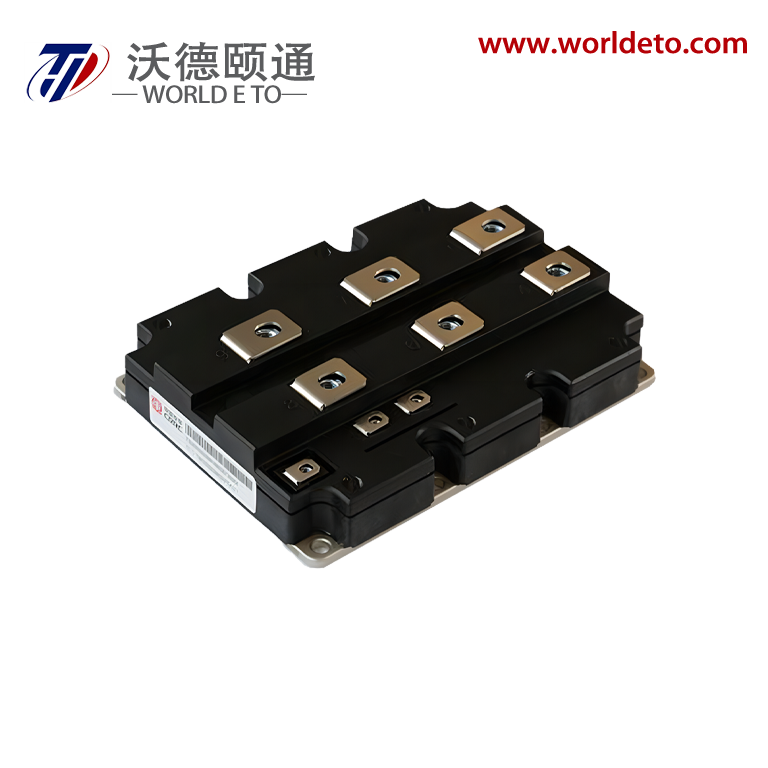
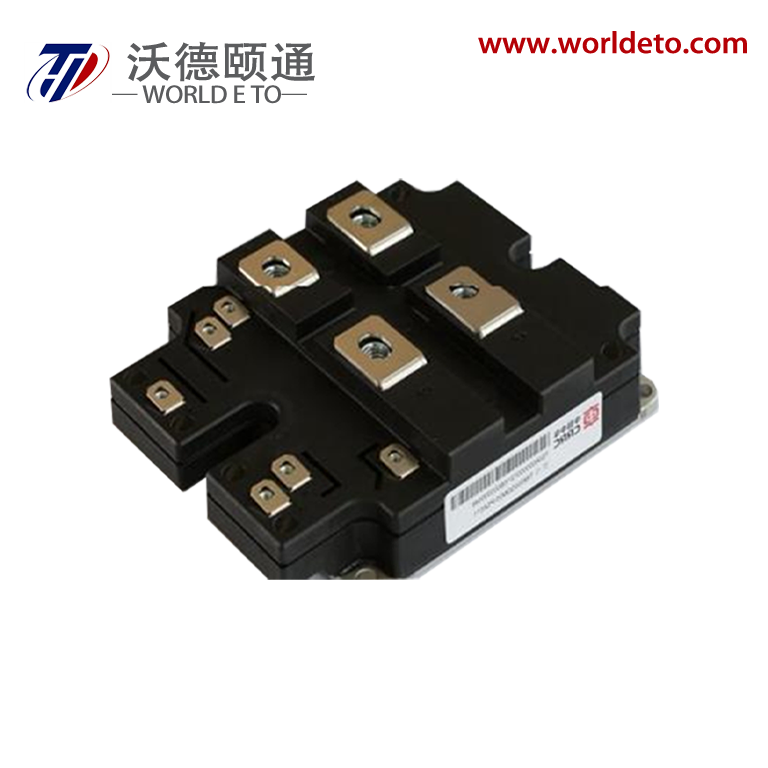
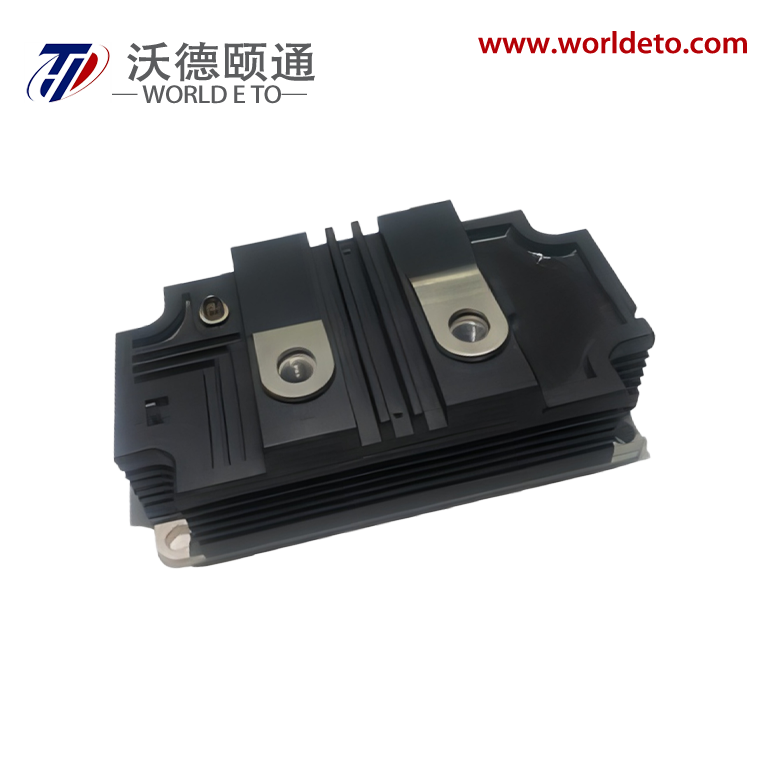
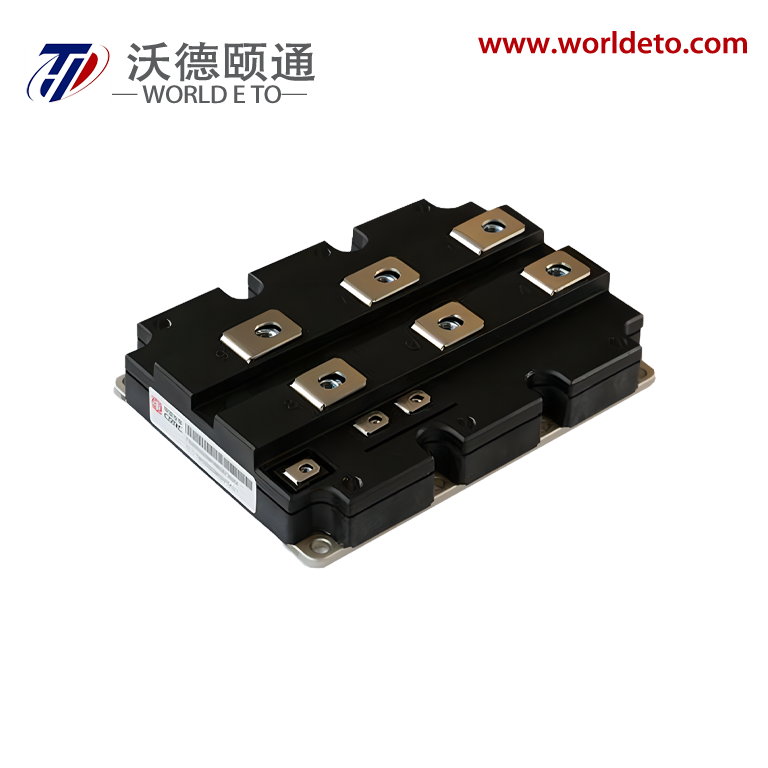
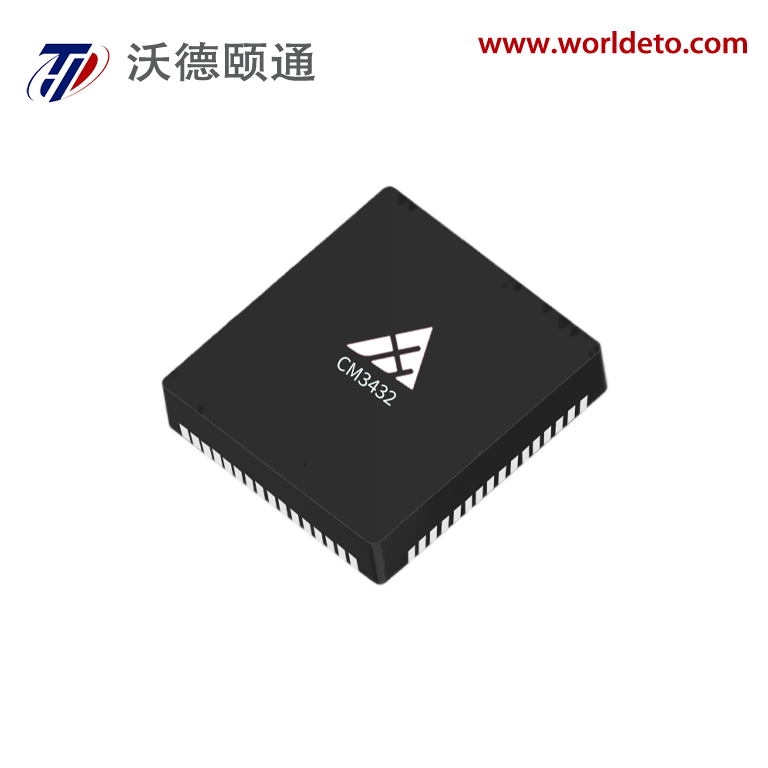
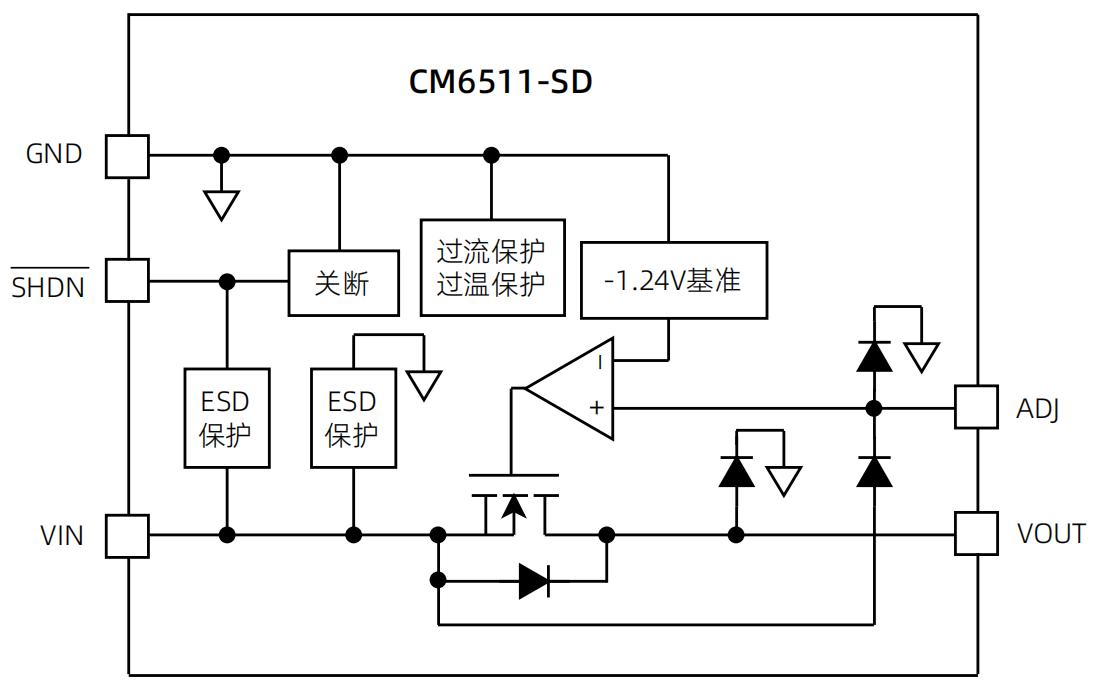
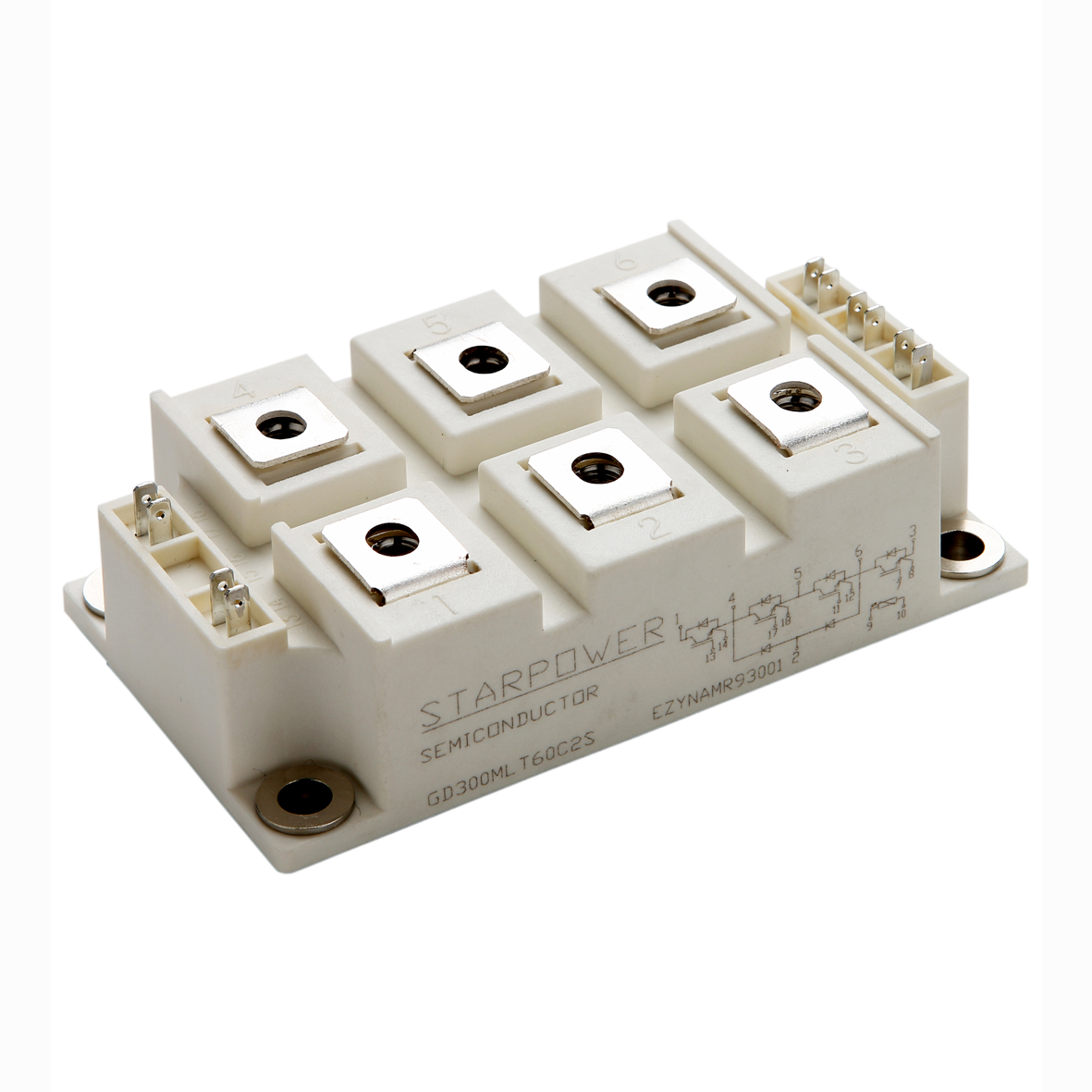
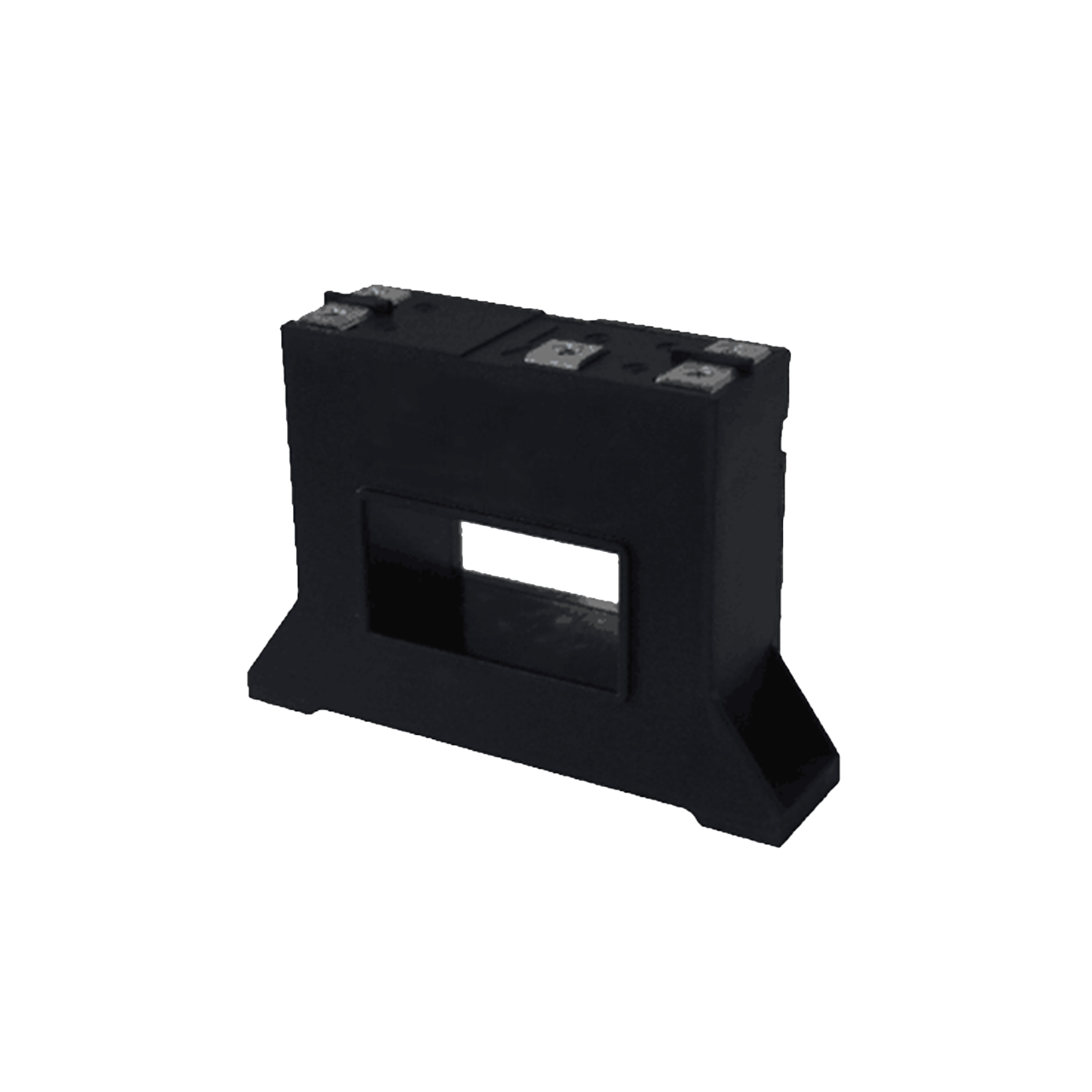
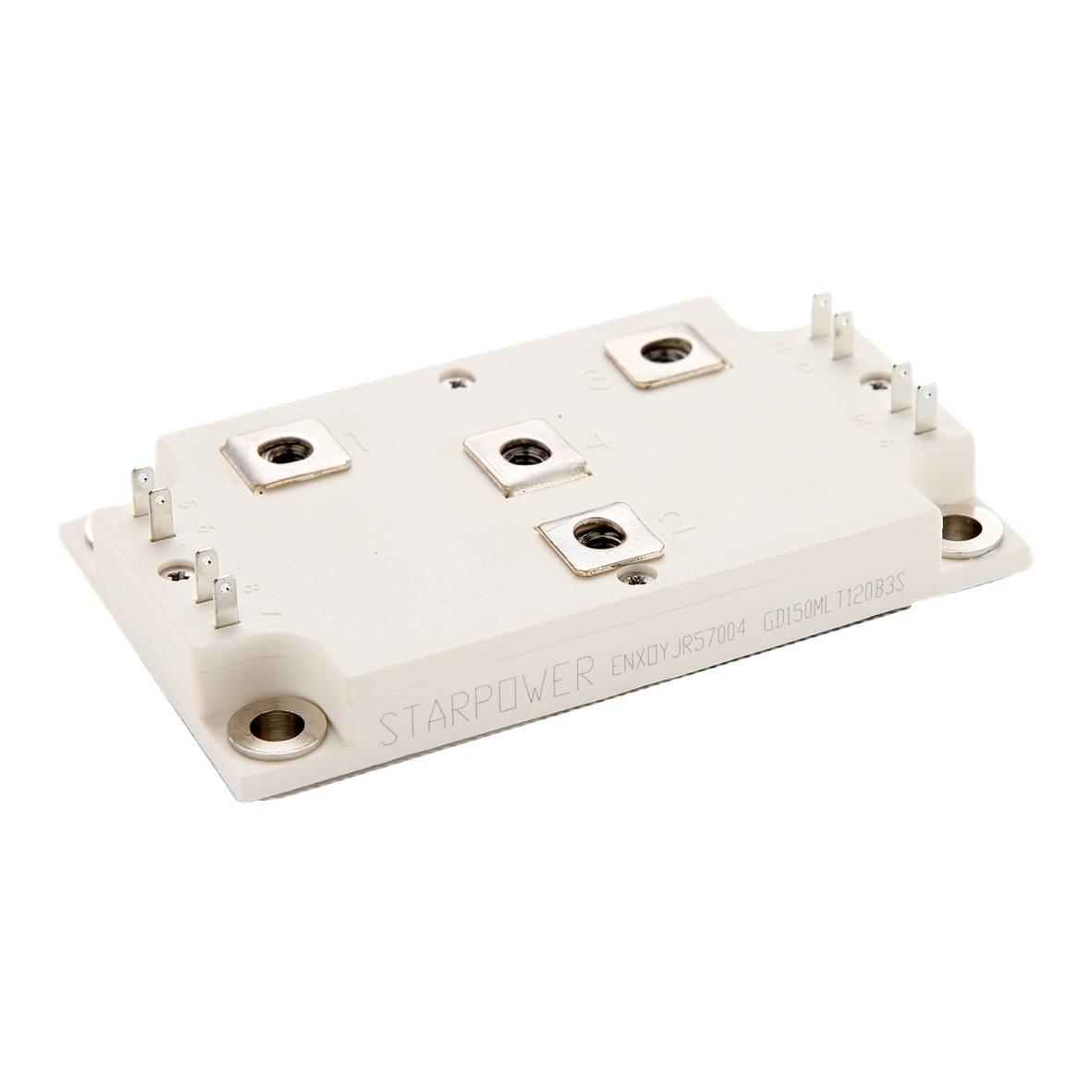
En likriktare med låga förluster är en banbrytande elektronisk komponent som är utformad för att omvandla växelström (AC) till likström (DC) med minimal energiförlust. Denna avancerade halvledarkomponent fungerar genom att låta strömmen flöda i endast en riktning, samtidigt som den kraftigt minskar effektförbrukningen under omvandlingsprocessen. Likriktaren med låga förluster uppnår överlägsen prestanda tack vare innovativa tekniker baserade på siliciumkarbid eller galliumnitrid, vilka erbjuder exceptionella växlingsegenskaper och en lägre framåtgående spänningsfall jämfört med traditionella likriktare baserade på kisel. Den främsta funktionen hos en likriktare med låga förluster är effektiv effektomvandling samtidigt som signalintegriteten bevaras och värmeutvecklingen minimeras. Dessa komponenter har extremt snabba återställningstider, vanligtvis mätta i nanosekunder, vilket gör dem lämpliga för högfrekventa växlingsapplikationer. Den tekniska grunden inkluderar avancerade dopningstekniker och optimerade övergångsdesigner som minskar både lednings- och växlingsförluster. Moderna likriktare med låga förluster integrerar sofistikerade termiska hanteringssystem och robust förpackning för att säkerställa tillförlitlig drift även under krävande förhållanden. Tillämpningarna omfattar ett brett spektrum av branscher, bland annat förnybar energi, laddinfrastruktur för elfordon, industriella motorstyrningar, telekommunikationsutrustning samt högeffektiva strömförsörjningar. I solväxlar spelar likriktaren med låga förluster en avgörande roll för att maximera energiutvinning genom att minimera omvandlingsförluster. Datamaskincentra förlitar sig på dessa komponenter för att förbättra hela systemets verkningsgrad och minska kylvillkoren. Inom bilindustrin används tekniken för likriktare med låga förluster i elfordon och hybridfordon för att förlänga batteriets livslängd och förbättra prestandan. Tillverkare av medicinsk utrustning är beroende av dessa precisionskomponenter för stabil och ren effektförsörjning i kritiska applikationer. Industriella automatiseringssystem drar nytta av den förbättrade tillförlitligheten och de minskade underhållskraven som likriktare med låga förluster erbjuder.

 EN
EN