
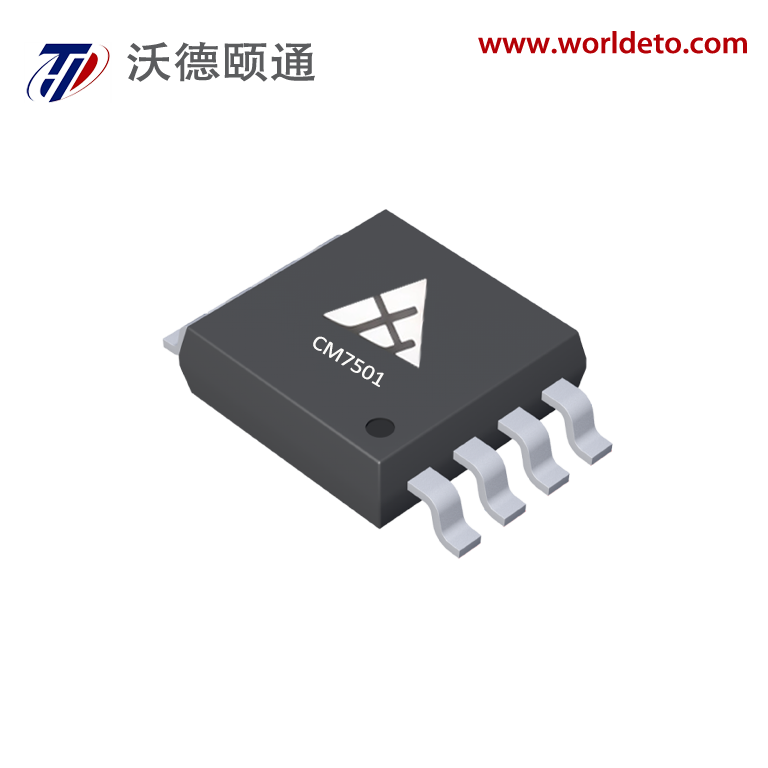
high speed adc
A high speed adc represents a critical component in modern electronic systems, designed to convert analog signals into digital format at exceptionally fast sampling rates. This advanced technology serves as the bridge between the analog world and digital processing systems, enabling precise signal capture and analysis across numerous industries. The high speed adc operates by sampling incoming analog signals at frequencies ranging from hundreds of megahertz to several gigahertz, delivering exceptional temporal resolution for time-sensitive applications. The core functionality of a high speed adc centers on its ability to maintain signal integrity while processing rapid data streams. These devices incorporate sophisticated architectures such as pipeline, flash, or successive approximation register designs, each optimized for specific performance requirements. Modern high speed adc units feature resolution capabilities spanning 8 to 16 bits or higher, ensuring accurate digital representation of analog inputs. The technological foundation includes advanced semiconductor processes, often utilizing silicon germanium or gallium arsenide materials to achieve superior speed performance. Signal processing capabilities within high speed adc systems include built-in filtering, automatic gain control, and error correction mechanisms. These features ensure consistent output quality even under challenging operating conditions. The devices support various input configurations including single-ended and differential modes, providing flexibility for diverse system integration requirements. Clock management represents another crucial aspect, with integrated phase-locked loops maintaining precise timing synchronization. Power efficiency has become increasingly important, with manufacturers developing low-power variants that reduce thermal dissipation while maintaining performance standards. Digital interfaces such as LVDS, JESD204B, or PCIe enable seamless communication with downstream processing units. The high speed adc market continues evolving with emerging standards and protocols, driving innovation in bandwidth expansion and dynamic range improvement.