 EN
EN


نظرة عامة
يُعد CM1110 محولًا تناظريًا رقميًا دلتا سيجما دقيقًا ومنخفض الاستهلاك للطاقة وبسعة 16 بت، ويحتوي على واجهة متوافقة مع بروتوكول SPI. كما يدمج مكبرًا للصوت منخفض الضوضاء وقابل للضبط (PGA)، ومصدرين تيار خرج قابلين للبرمجة (IDACs)، ومرجع جهد، ومحفّز اهتزاز، ومفتاح جانب سفلي، ومستشعر حرارة دقيق. تجعل هذه الميزات من CM1110 مناسبًا بشكل ممتاز لقياس الإشارات الضعيفة مثل كاشفات درجة الحرارة ذات المقاومة (RTDs)، والأزواج الحرارية، والثيرميستورات، وأجهزة استشعار الجسر.
يدعم الجهاز CM1110 معدلات تحويل بيانات تصل إلى 2 كيلو عيّنة في الثانية (kSPS) ويوفر استقرارًا في دورة واحدة. يقدم مضاعف المدخلات (MUX) أربعة مدخلات منتهية بشكل فردي أو زوجين دخليين تفاضليين. بالنسبة للتطبيقات الصناعية، عند التشغيل بمعدل بيانات 20 عينة في الثانية (SPS)، يوفر الفلتر الرقمي رفضًا متزامنًا للتداخل بتردد 50 هرتز و60 هرتز. عند تمكين المضخم ذو الكسب القابل للبرمجة (PGA)، تُدعم المدخلات شبه التفاضلية أو التفاضلية بالكامل؛ وعند تعطيل المضخم PGA، لا يزال الجهاز يوفر مقاومة دخل عالية، ومكاسب تصل إلى 4 فولت/فولت، ويدعم القياسات المنتهية بشكل فردي.
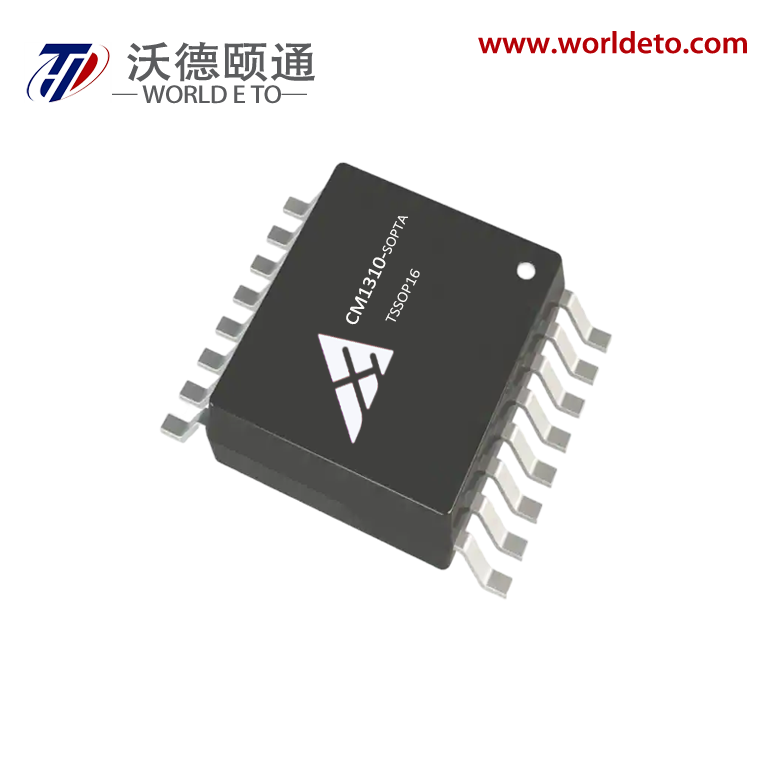
يتوفر الجهاز CM1110 في عبوة TSSOP-16 ويعمل ضمن مدى حراري يتراوح بين −40°م و+125°م.
الميزات
مدى واسع لمصدر الطاقة: من 2.5 فولت إلى 5 فولت
استهلاك منخفض للتيار: 270 مايكروأمبير (وضع التحويل المستمر)
معدل بيانات قابل للبرمجة: من 6.25 SPS إلى 2kSPS
مصدر جهد داخلي منخفض الانحراف
مذبذب داخلي
مكبر صوت داخلي قابل للبرمجة الكسب
واجهة SPI
مستشعر درجة حرارة داخلي
4 مدخلات منتهية أو 2 مدخلات تفاضلية
متوافق مع AEC-Q100
التطبيقات
أجهزة محمولة
مراقبة جهد وبطارية التيار
قياس درجة الحرارة
الأزواج الحرارية (TC)
NTC، PTC (المقاومات الحرارية)
التحكم في العمليات وتلقائيّة المصانع
- يظهر الشكل التالي وضعية الاتصال النموذجية.
مبدأ التشغيل
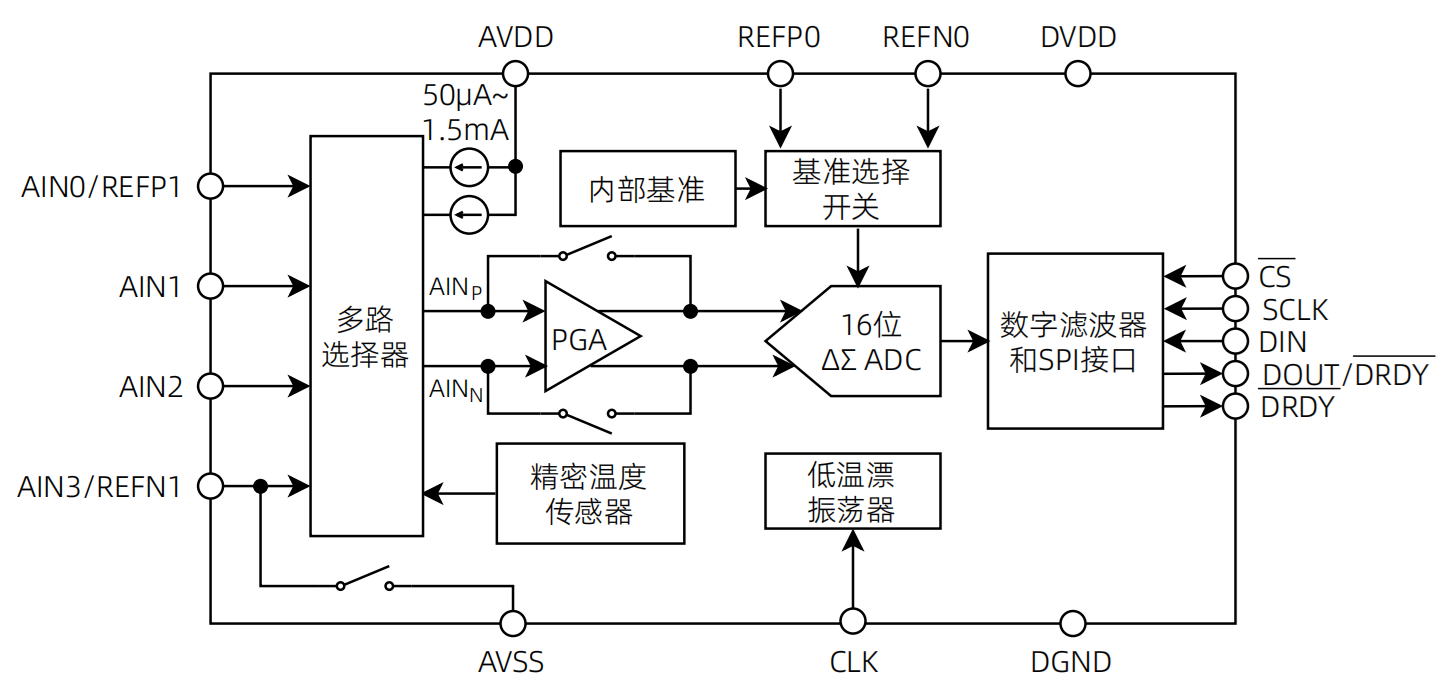
يُعد الجهاز CM1110 عبارة عن محول تناظري رقمي صغير الحجم ومنخفض الاستهلاك للطاقة، ذو دقة 16 بت من نوع ΔΣ، ويدمج وظائف متعددة تقلل من تكلفة النظام وعدد المكونات في تطبيقات قياس المستشعرات ذات الإشارات الصغيرة.
بالإضافة إلى نواة المحول التناظري الرقمي ΔΣ ومرشح رقمي سريع الاستقرار بدورة واحدة، يحتوي الجهاز على مضخم تشغيلي قابل للبرمجة (PGA) منخفض الضوضاء وعالي المعاوقة عند المدخل، ومصدر جهد مرجعي داخلي، ومتذبذب ساعة إشارة. كما يشمل أيضًا مستشعر درجة حرارة دقيق عالي الدقة، ومصدرين تيار قابلين للبرمجة ومتطابقين (IDACs). ويُبسّط المفتاح الكهربائي الداخلي المنخفض الطرفية تصميم أجهزة استشعار الجسر منخفضة الطاقة. ويمكن تهيئة الجهاز من خلال أربع سجلات والتحكم فيه عبر ستة أوامر باستخدام واجهة متوافقة مع وضع SPI 1. ويظهر أدناه الرسم التخطيطي للكتل الوظيفية للجهاز.
يقيس الجهاز CM1110 إشارة الدخل التفاضلية VIN (الفرق الجهد بين AINP وAINN). يتكون نواة المحول من محول تفاضلي مزامن بتقنية المكثف المبدّل ΔΣ ومن مرشح رقمي. يقوم المرشح الرقمي بمعالجة تدفق البتات عالي السرعة الناتج عن المحول وإنتاج رمز رقمي يتناسب مع جهد الدخل.
يوفر الجهاز CM1110 نمطي تحويل: وضع التحويل الفردي ووضع التحويل المستمر. في الوضع الفردي، يقوم الجهاز بإجراء عملية تحويل واحدة على الإشارة المدخلة حسب الطلب، ويُخزّن النتيجة في ذاكرة مؤقتة داخلية، ثم ينتقل إلى حالة منخفضة الطاقة. بالنسبة للأنظمة التي تتطلب تحويلات دورية فقط أو التي تبقى في حالة السكون لفترات طويلة بين التحويلات، يمكن أن يقلل الوضع الفردي من استهلاك الطاقة بشكل كبير. في وضع التحويل المستمر، تبدأ عملية تحويل جديدة فور انتهاء السابقة. ويمكن قراءة البيانات في أي وقت دون القلق من حدوث تلف في البيانات، حيث تمثل البيانات المقروءة نتيجة أحدث عملية تحويل.
مبدل المدخلات
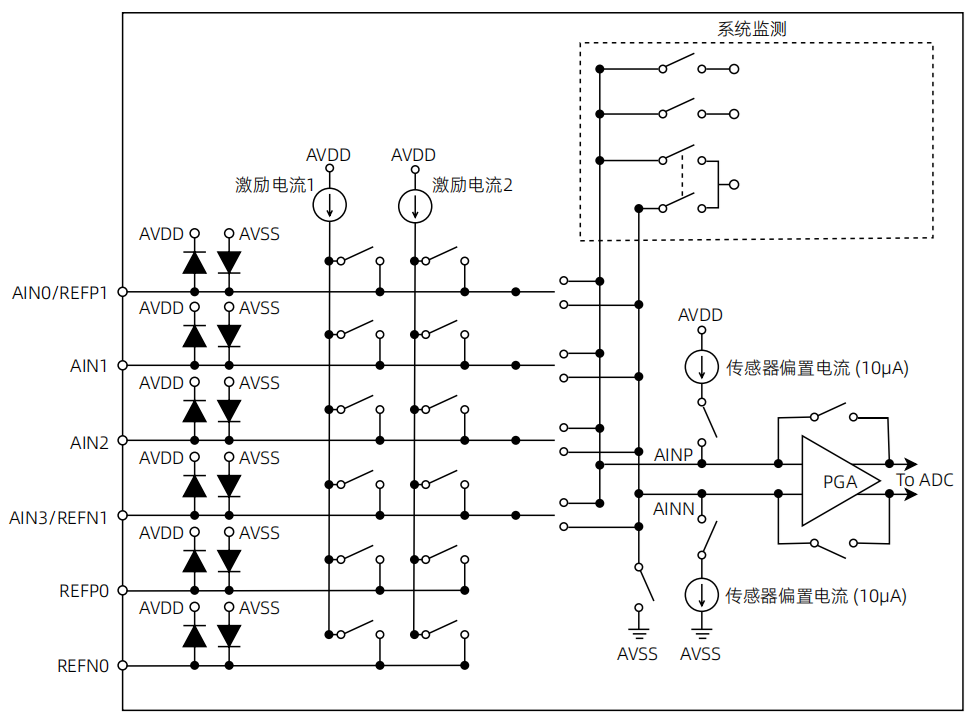
يتميز الجهاز CM1110 بمبدل مدخلات شديد المرونة، كما هو موضح في الشكل أدناه. ويمكنه قياس أربع إشارات منتهية من جهة واحدة، أو إشارتين تفاضليتين، أو مجموعة مكونة من إشارتين منتهيتين من جهة واحدة وإشارة تفاضلية واحدة. ويتم تهيئة المبدل من خلال المسجّل MUX[3:0].
عند قياس الإشارات الفردية، يتم توصيل المدخل التفاضلي السالب (AINN) داخليًا بـ AVSS من خلال جهاز التعدد. يمكن اختيار مدخل المحول التناظري الرقمي إما أن يكون جهد التغذية التناظري مقسومًا على ستة، (AVDD – AVSS)/6، أو جهد المرجع الخارجي مقسومًا على ستة، (VREFPx – VREFNx)/6، مما يمكّن من مراقبة حالة تشغيل النظام.
يمكن أيضًا لتعددية القناة توجيه مصدري التيار القابلين للبرمجة إلى أي مدخل تناظري (AINx) أو إلى أي دبوس مرجعي (REFP0، REFN0). وتُحمي أقطاب التفريغ الكهروستاتيكي (ESD) المتصلة بـ AVDD وAVSS المدخلات. ولمنع أقطاب التفريغ الكهروستاتيكي من التوصيل، يجب أن يبقى الجهد المطلق لجميع المدخلات ضمن النطاق المحدد بالمعادلة (1):
AVSS − 0.3 فولت < VAINx < AVDD + 0.3 فولت (1)
إذا كان من الممكن أن يتجاوز الجهد عند دبوس إدخال الحدود المذكورة أعلاه، فيجب استخدام ديودات تثبيت شوتكي خارجية أو مقاومات متسلسلة للحد من تيار الإدخال إلى مستوى آمن (انظر جدول التقييمات القصوى المطلقة). قد يؤثر تشغيل دبابيس الإدخال غير المستخدمة بجهد زائد على عمليات التحويل الجارية؛ وفي مثل هذه الحالات، يُوصى باستخدام ديودات شوتكي خارجية لتثبيت الإشارات.
تطبيق المحول التناظري الرقمي عالي الدقة وذو استهلاك الطاقة المنخفض (CM1110) في الأتمتة الصناعية

1. مقدمة
تشكل الشرائح CM1103/CM1106 محولات تناظرية رقمية متكاملة بشدة، عالية الدقة، ومنخفضة الاستهلاك للطاقة والتكلفة، قدمتها شركة سيمومو ل микроإلكترونيات. وبما توفره من دقة عينة تصل إلى 7 ميكرو فولت، يمكنها تلبية متطلبات معظم تطبيقات قياس أجهزة استشعار الحرارة. كما تتيح مقاومتها المدخلية التي تبلغ عدة ميغا أوم توصيل المحولات مباشرة بأغلب أجهزة الاستشعار المقاومية دون التأثير على دقة الجهاز.
توفر سلسلة CM110x واجهتي I²C وSPI، مما يسهل على العملاء الاتصال بمعالجات مختلفة. كما تدمج CM1106 مستشعر درجة حرارة داخليًا عالي الدقة يمكن استخدامه مباشرة لقياس درجة حرارة اللوحة الإلكترونية (PCB) ولتعويض النقطة الباردة في تطبيقات الزوج الحراري.
2. ميزات سلسلة CM110x
تشغيل من مصدر طاقة واحد من 2.5 فولت إلى 5.5 فولت
استهلاك طاقة شديد الانخفاض: 270 ميكرو أمبير (في وضع التحويل المستمر)
تيار وضع السكون: 2 ميكرو أمبير
معدل بيانات الإنتاج القابل للبرمجة: من 6.25 عيّنة في الثانية إلى 2000 عيّنة في الثانية
مصدر جهد داخلي دقيق قابل للبرمجة مع انحراف حراري بمقدار 10 جزء في المليون/°م
مدى إدخال تناظري قابل للبرمجة: ±0.256 فولت إلى ±6.144 فولت
مستشعر درجة حرارة داخلية عالي الدقة (CM1106)
مقارن تناظري قابل للبرمجة مدمج (CM1103)
أربع مدخلات منتهية / قناتا إدخال تفاضليتان
3. نظرة عامة على الحل
مع التطور السريع للأتمتة الصناعية وزيادة ذكاء المصانع، شهدت الأجهزة الصناعية الآلية تطورًا في السنوات الأخيرة، انتقلت من الأجهزة التناظرية إلى الأجهزة الرقمية. وبمساعدة وحدات التحكم الدقيقة و الاستخدام - الدوائر المتكاملة المحددة، الأتمتة الصناعية منتجات أصبحت تدريجيًا أكثر ذكاءً.
تُعد درجة الحرارة معلمة حاسمة في الإنتاج الصناعي، وتؤدي أجهزة استشعار درجة الحرارة دورًا محوريًا في جميع مجالات الأتمتة الصناعية. بناءً على تقنيات الاستشعار المختلفة، تتوفر أجهزة استشعار درجة الحرارة بعدة أشكال، مثل أجهزة استشعار درجة الحرارة بالأشعة تحت الحمراء، وأجهزة كشف مقاومة درجة الحرارة، والثيرمستورات، والأزواج الحرارية، وأجهزة استشعار RTD. إن جميع هذه التطبيقات الخاصة بقياس درجة الحرارة مناسبة بشكل خاص لمعالجة الإشارات وجمع البيانات باستخدام سلسلة CM110x.
بالإضافة إلى أجهزة استشعار درجة الحرارة، فإن الطراز CM110x—باستغلال مزاياه المتأصلة—مناسب بشكل خاص لمجموعة واسعة من تطبيقات الاستشعار الصناعي، مثل أجهزة قياس المستوى المقاوم، وأجهزة استشعار الغاز المقاوم، وتحليل جودة المياه، وأجهزة قياس العكورة. وعادةً ما تكون لهذه الأجهزة مقاومة عالية عند الخرج وحساسية منخفضة نسبيًا، مما يتطلب في كثير من الأحيان استخدام مضخمات تشغيل دقيقة عالية للقيام بمعالجة الإشارة وتكبيرها.
4. مزايا المنتج
يجمع الجهاز CM110x بين المعاوقة العالية للمدخلات، والدقة العالية، واستهلاك منخفض للطاقة، مما يوفر مزايا كبيرة في تطبيقات الاستشعار الصناعي المختلفة. ويساعد العملاء على رفع مستوى التكامل في أجهزة الإرسال الصناعية مع تقليل التكلفة الإجمالية للنظام واستهلاك الطاقة.
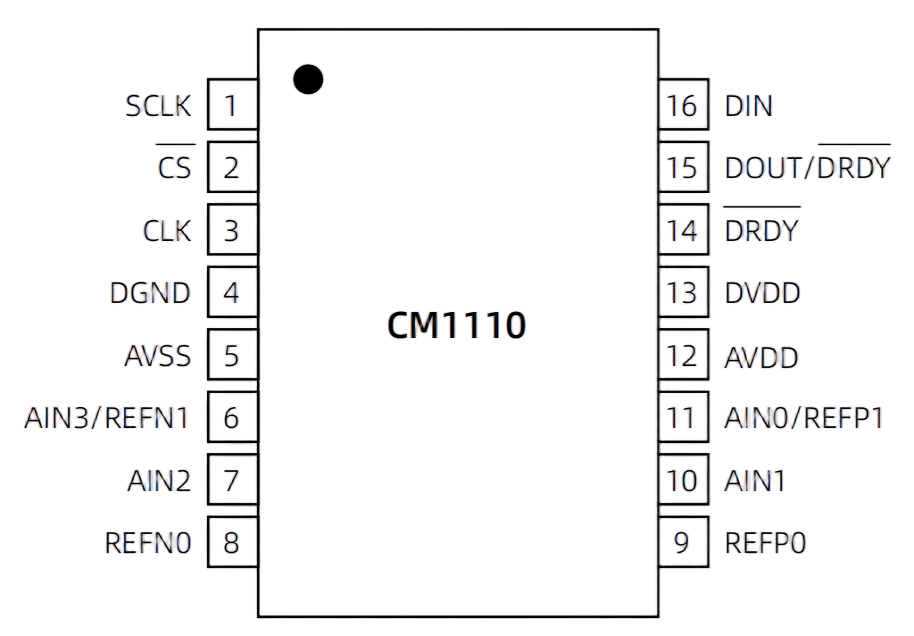
ترتيب الدبابيس