Transistor Relay Technology: Advanced Electronic Switching Solutions for Industrial Applications

All Categories
Get a Quote

Get a Free Quote

Our representative will contact you soon.
Email
Name
Company Name
Message
0/1000

transistor relay

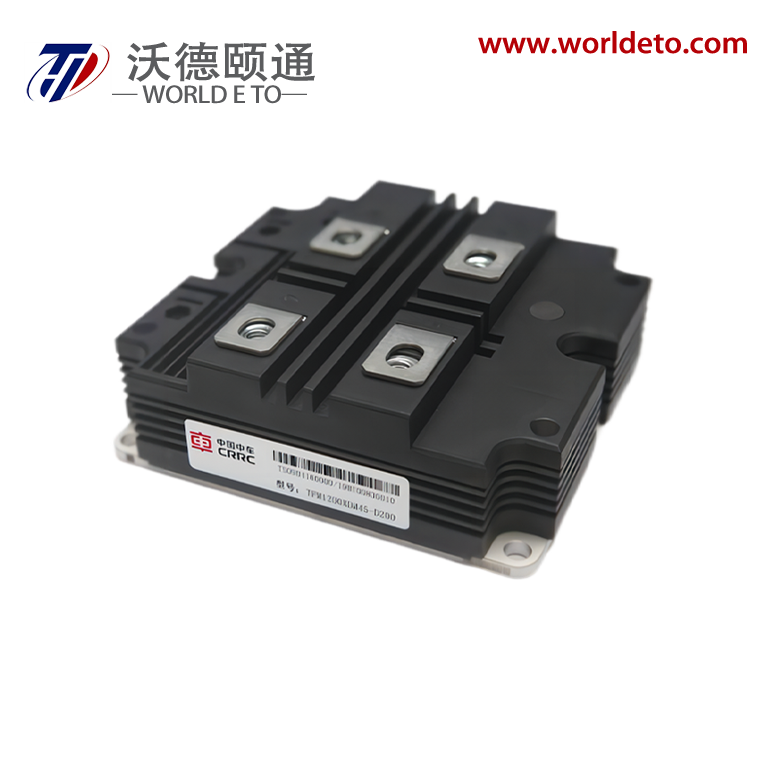
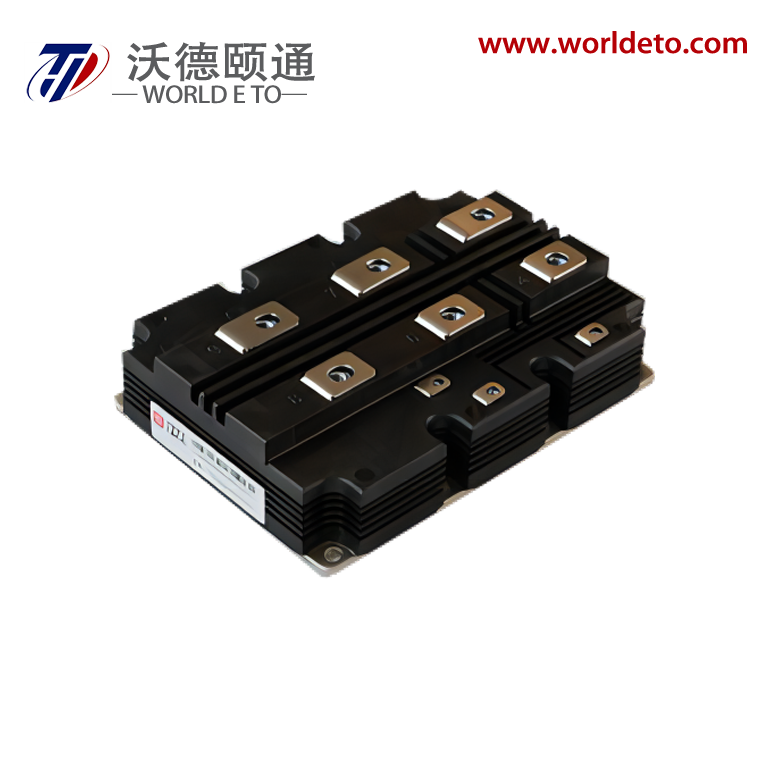
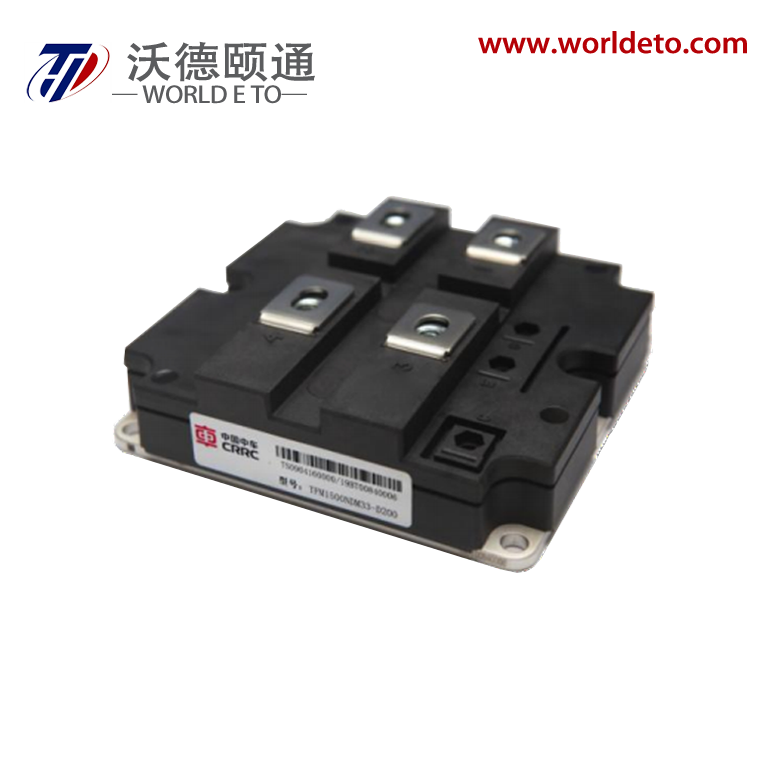
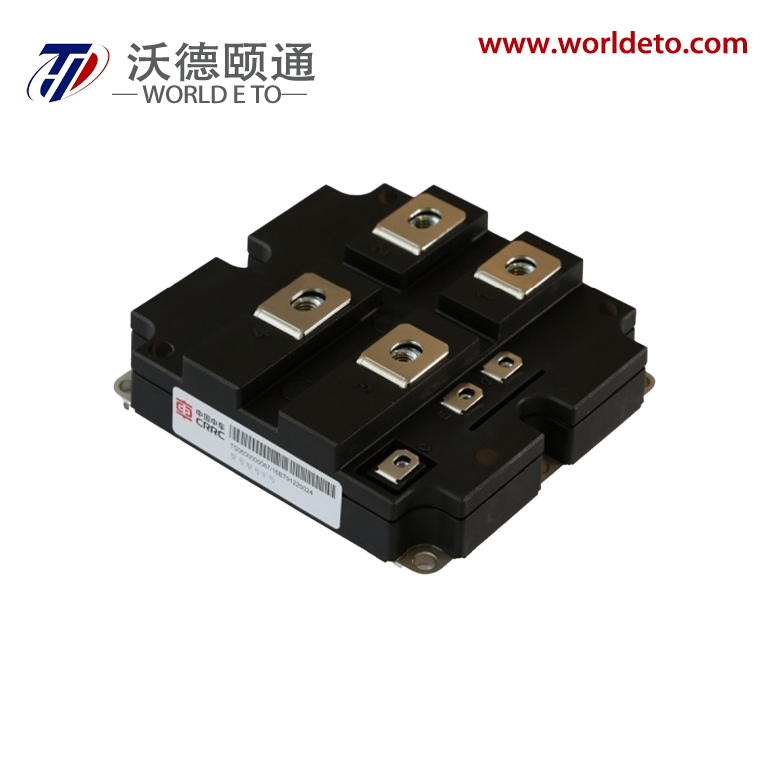
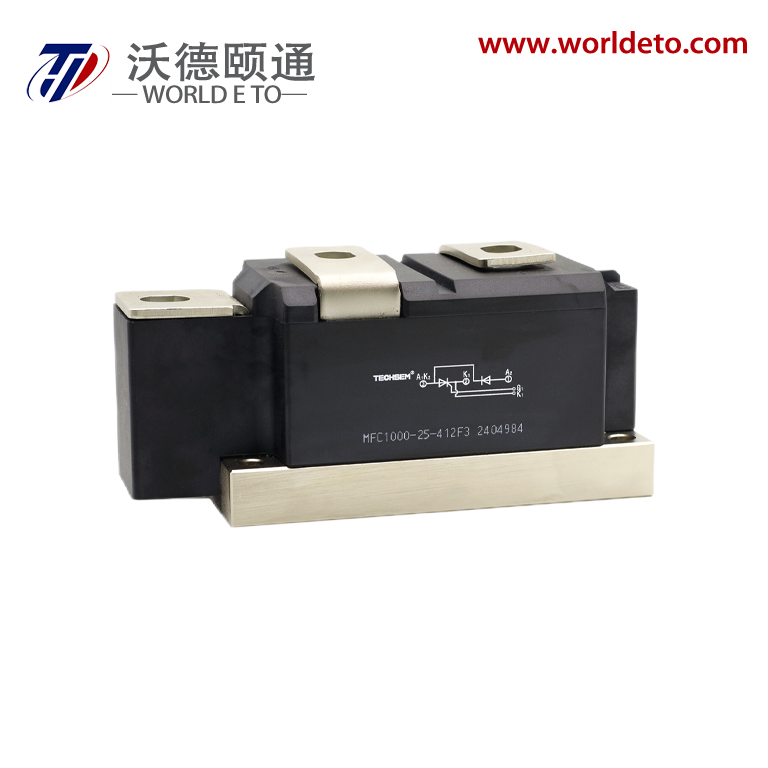
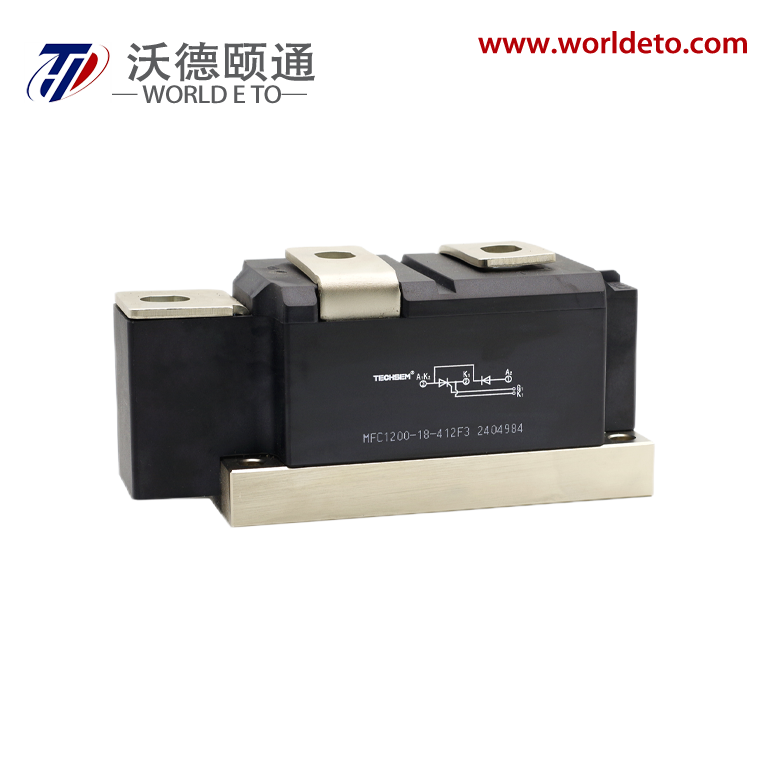
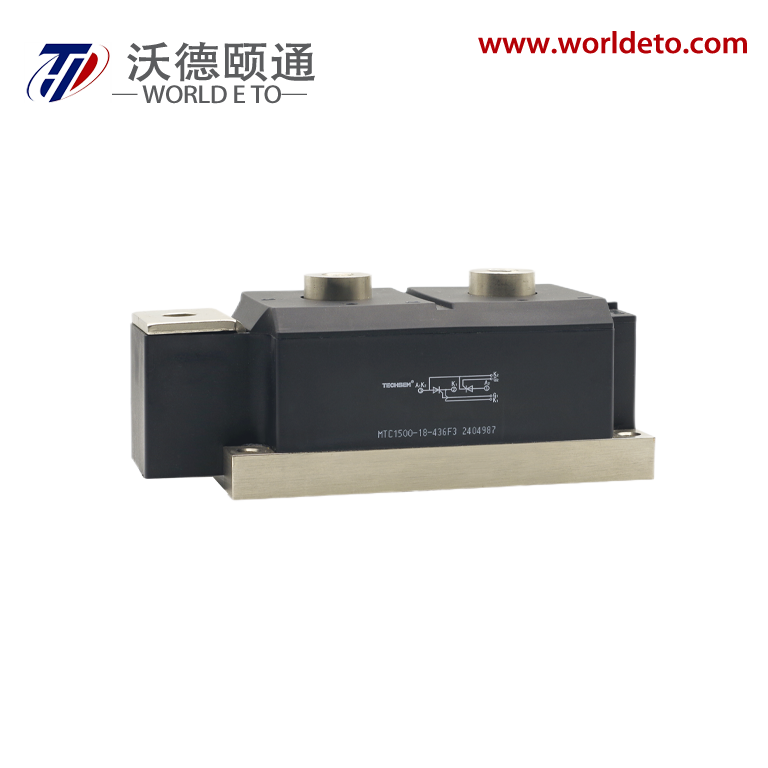
A transistor relay represents a revolutionary advancement in electronic switching technology, combining the reliability of traditional electromagnetic relays with the speed and efficiency of solid-state components. This sophisticated device utilizes transistors as the primary switching element, eliminating the mechanical contacts found in conventional relays while maintaining the electrical isolation between control and load circuits. The transistor relay operates by using a low-power input signal to control a high-power output circuit through semiconductor technology. When an input voltage is applied to the control terminals, the internal transistor switches rapidly between conducting and non-conducting states, effectively opening or closing the output circuit path. This electronic switching mechanism provides superior performance characteristics compared to mechanical alternatives. Modern transistor relay designs incorporate advanced protection features including overvoltage protection, reverse polarity protection, and thermal shutdown capabilities. These built-in safeguards ensure reliable operation even under challenging environmental conditions. The absence of mechanical moving parts significantly reduces wear and tear, resulting in extended operational life cycles that can exceed millions of switching operations. Manufacturing processes for transistor relay units utilize precision semiconductor fabrication techniques, ensuring consistent performance parameters across production batches. Quality control measures include comprehensive testing protocols that verify switching speeds, load handling capabilities, and isolation characteristics. The compact form factor of transistor relay modules makes them ideal for space-constrained applications where traditional electromagnetic relays would be impractical. Integration capabilities allow seamless incorporation into digital control systems, microprocessor-based equipment, and automated machinery. Temperature stability remains excellent across wide operating ranges, typically from -40°C to +85°C, making transistor relay technology suitable for both indoor and outdoor applications. Power consumption during standby operation is minimal, contributing to overall system energy efficiency.

New Products

Transistor relay technology delivers exceptional performance benefits that directly translate into cost savings and operational improvements for users across various industries. The most significant advantage lies in the remarkable switching speed capabilities, with typical response times measured in microseconds rather than milliseconds. This rapid switching enables precise control in high-frequency applications where timing accuracy is critical. Traditional electromagnetic relays simply cannot match this performance level due to mechanical inertia limitations. Energy efficiency represents another compelling benefit, as transistor relay units consume substantially less power during operation. The absence of electromagnetic coils eliminates the continuous current draw required by conventional relays, reducing overall system power requirements by up to 80 percent in many applications. This efficiency improvement directly impacts operating costs and extends battery life in portable equipment. Reliability improvements are immediately apparent through reduced maintenance requirements and extended service intervals. Mechanical relay contacts suffer from arcing, pitting, and oxidation over time, necessitating regular replacement and system downtime. Transistor relay technology eliminates these failure modes entirely, providing consistent performance throughout the operational lifetime. Users report maintenance cost reductions of 60-70 percent when transitioning from mechanical to solid-state switching solutions. Installation flexibility increases significantly due to compact packaging and reduced weight characteristics. A typical transistor relay occupies 75 percent less space than equivalent mechanical units while weighing substantially less. This size advantage enables equipment miniaturization and simplified mounting procedures. Electrical noise generation is virtually eliminated, as transistor relay switching produces no electromagnetic interference or contact bounce effects. This clean switching characteristic improves overall system performance and reduces the need for filtering components. Environmental resistance capabilities exceed those of mechanical alternatives, with sealed solid-state construction providing superior protection against moisture, vibration, and contamination. Operating temperature ranges are broader, and shock resistance is enhanced due to the absence of delicate mechanical assemblies. Cost-effectiveness becomes evident when considering total ownership expenses including purchase price, installation costs, maintenance requirements, and replacement frequency. While initial costs may be higher, the long-term economic benefits typically justify the investment within the first year of operation.

Latest News

How to Choose a Precision DAC: A Guide to Critical Specs and Top Domestic Models

24

Nov

How to Choose a Precision DAC: A Guide to Critical Specs and Top Domestic Models

In today's rapidly evolving electronics landscape, selecting the right precision DAC has become increasingly critical for engineers developing high-performance systems. A precision DAC serves as the crucial bridge between digital control systems and ...
View More
Accuracy, Drift, and Noise: The Key Specifications of Precision Voltage References

24

Nov

Accuracy, Drift, and Noise: The Key Specifications of Precision Voltage References

In the world of electronic circuit design and measurement systems, precision voltage references serve as the cornerstone for achieving accurate and reliable performance. These critical components provide stable reference voltages that enable precise ...
View More
Speed Meets Accuracy: Selecting High-Speed Data Converters for Demanding Applications

07

Jan

Speed Meets Accuracy: Selecting High-Speed Data Converters for Demanding Applications

In today's rapidly evolving industrial landscape, the demand for high-speed data converters has reached unprecedented levels. These critical components serve as the bridge between analog and digital domains, enabling sophisticated control systems to ...
View More
Breaking Speed Barriers: The Future of High-Speed ADCs in Modern Communication

03

Feb

Breaking Speed Barriers: The Future of High-Speed ADCs in Modern Communication

The telecommunications industry continues to push the boundaries of data transmission speeds, driving unprecedented demand for advanced analog-to-digital conversion technologies. High-speed ADCs have emerged as the cornerstone of modern communication...
View More

Get a Free Quote

Our representative will contact you soon.
Email
Name
Company Name
Message
0/1000

transistor relay

Lightning-Fast Switching Performance for Precision Control

Lightning-Fast Switching Performance for Precision Control

The exceptional switching speed of transistor relay technology represents a quantum leap forward in electronic control capabilities, delivering response times that enable previously impossible levels of precision and accuracy. Unlike traditional electromagnetic relays that require several milliseconds to complete switching operations due to mechanical inertia and magnetic field buildup, transistor relay units achieve complete switching cycles in mere microseconds. This dramatic speed improvement opens new possibilities for applications requiring rapid, repetitive switching or precise timing control. In industrial automation systems, this speed advantage translates directly into improved production efficiency and product quality. Manufacturing processes that depend on synchronized operations benefit immensely from the consistent, predictable timing characteristics. High-speed packaging equipment, precision welding systems, and automated assembly lines all perform more accurately when equipped with transistor relay switching technology. The speed consistency remains stable throughout the operational lifetime, as there are no mechanical components to wear or degrade over time. Temperature variations, humidity changes, and vibration exposure have minimal impact on switching performance, ensuring reliable operation in challenging industrial environments. Engineers designing control systems can implement more sophisticated timing sequences and achieve tighter process control tolerances when utilizing transistor relay technology. The rapid switching capability also enables advanced control strategies such as pulse-width modulation, high-frequency signal processing, and real-time feedback systems that would be impossible with slower mechanical switching devices. Testing laboratories and research facilities particularly benefit from this speed advantage when conducting experiments requiring precise timing control or rapid data acquisition sequences. Quality control systems can perform more measurements per unit time, increasing throughput while maintaining accuracy standards. The consistent switching performance eliminates timing variations that could introduce measurement errors or compromise test reliability.
Maintenance-Free Operation with Extended Service Life

Maintenance-Free Operation with Extended Service Life

The solid-state construction of transistor relay technology eliminates virtually all maintenance requirements while delivering exceptional service life that far exceeds traditional switching solutions. This maintenance-free operation represents a significant competitive advantage for facilities seeking to minimize downtime and reduce operational costs. Unlike electromagnetic relays with mechanical contacts that require periodic inspection, cleaning, and replacement, transistor relay units operate continuously without degradation or performance drift. The absence of moving parts removes the primary failure modes associated with conventional switching devices, including contact wear, spring fatigue, and mechanical misalignment. Industrial facilities report dramatic reductions in maintenance scheduling requirements and associated labor costs when implementing transistor relay technology throughout their operations. The sealed construction provides complete protection against environmental contaminants that typically cause premature failure in mechanical switching devices. Dust, moisture, chemical vapors, and corrosive atmospheres have no effect on internal transistor relay components, ensuring consistent performance regardless of ambient conditions. This environmental immunity is particularly valuable in harsh industrial settings such as chemical processing plants, food production facilities, and outdoor installations where traditional relays require frequent replacement. Service life expectations for quality transistor relay units typically exceed ten million switching cycles under normal operating conditions, with some applications achieving over fifty million cycles before any performance degradation becomes apparent. This exceptional longevity translates into reduced replacement part inventory requirements and lower total cost of ownership. Predictive maintenance strategies become unnecessary, as transistor relay technology provides consistent performance throughout its operational lifetime without the gradual degradation characteristic of mechanical switching devices. The reliability improvements extend beyond the switching elements themselves, as reduced electromagnetic interference and electrical noise contribute to improved performance of surrounding electronic components. System-wide reliability increases when transistor relay technology replaces electromagnetic switching devices, resulting in fewer unexpected failures and reduced emergency repair requirements.
Compact Design Enabling Space-Efficient Installations

Compact Design Enabling Space-Efficient Installations

The remarkably compact form factor of transistor relay technology provides significant advantages for modern equipment design and installation requirements where space optimization is increasingly critical. Traditional electromagnetic relays require substantial physical volume to accommodate coils, armatures, and contact assemblies, while transistor relay units achieve equivalent switching capabilities in packages up to 80 percent smaller. This size reduction enables equipment manufacturers to develop more compact products without compromising functionality or performance. The miniaturization benefits extend beyond simple space savings, as reduced component weight improves portability and simplifies mounting requirements. Mobile applications, handheld instruments, and portable test equipment all benefit from the reduced size and weight characteristics of transistor relay technology. Aircraft and automotive applications particularly value these advantages where every gram of weight reduction contributes to improved fuel efficiency and performance. Installation flexibility increases dramatically due to the compact packaging and simplified mounting requirements. Standard DIN rail mounting, PCB surface mounting, and custom enclosure integration all become more straightforward when utilizing transistor relay modules. The reduced heat generation associated with solid-state switching eliminates many thermal management challenges, allowing closer component spacing and more efficient use of available cabinet space. Wiring complexity decreases as transistor relay units typically require fewer connections and produce less electromagnetic interference, reducing the need for specialized routing and shielding. This simplified installation process reduces labor costs and minimizes the possibility of wiring errors during system assembly. Retrofit applications benefit significantly from the compact design, as transistor relay units can often replace larger electromagnetic relays without requiring panel modifications or rewiring. This compatibility advantage reduces upgrade costs and minimizes system downtime during modernization projects. The space efficiency also enables higher switching density in control panels, allowing more control functions to be implemented in the same physical footprint. This density improvement is particularly valuable in applications where panel space is limited or expensive, such as marine installations, aerospace applications, or urban facility upgrades where real estate costs are significant.

Get a Free Quote

Our representative will contact you soon.
Email
Name
Company Name
Message
0/1000